The Walter Reed Exam: A Flashpoint for Presidential Fitness
President Donald Trump’s scheduled physical examination at Walter Reed National Military Medical Center transcends routine, becoming a crucial nexus for heightened public and political scrutiny regarding his age and fitness for the highest office. As the oldest individual ever inaugurated, and approaching his 80th birthday, the impending medical report carries amplified significance. While past assessments have consistently affirmed his “excellent health,” this annual event inevitably reignites a pervasive public discourse. The inherent tension lies between the White House’s strategic imperative to project an image of robust leadership and the public’s enduring demand for transparent, comprehensive insights into the well-being of their commander-in-chief. This examination serves as a barometer, not just of physical health, but of public confidence and political stability.
Dueling Narratives: Official Vigor Versus Public Observations
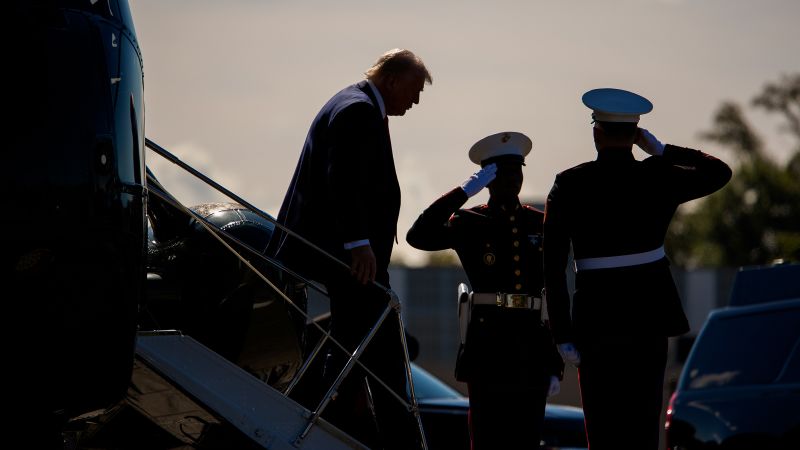
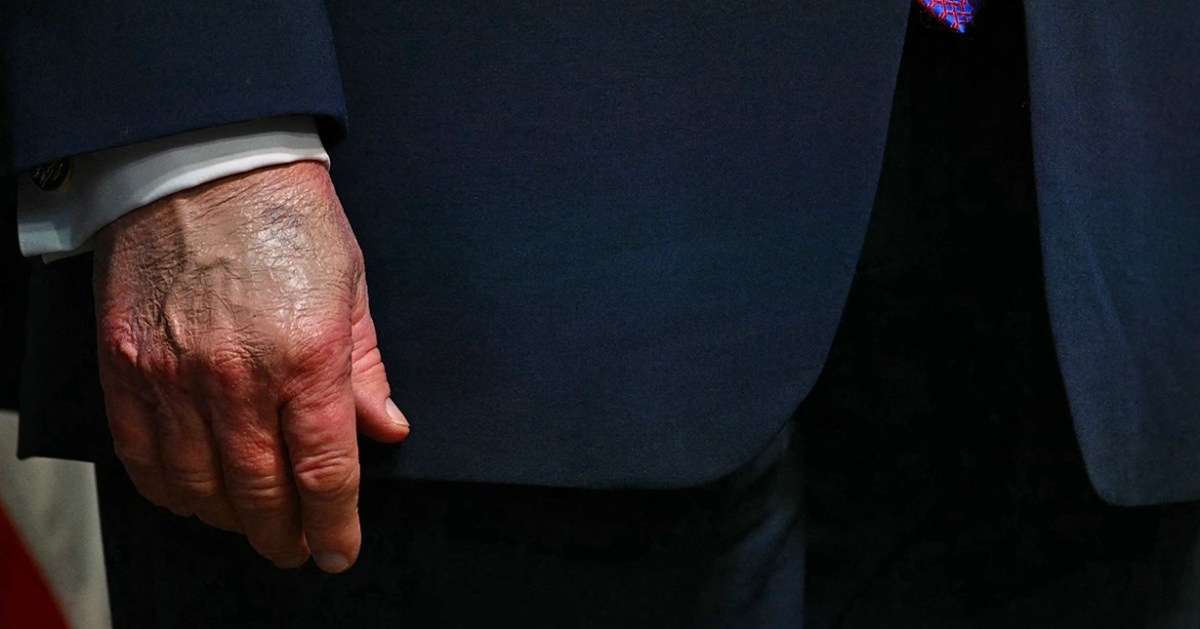
The White House’s communication strategy consistently aims to portray a leader of “boundless energy and unmatched acuity.” However, this carefully managed narrative frequently clashes with a steady drumbeat of public observations and media scrutiny. Reports have cited visible physical indicators such as deep bruising on the President’s hands, allegedly covered with makeup, and visibly swollen lower legs. Further visual evidence, widely disseminated by media, includes allegations of the President nodding off during public appearances and moving slowly and cautiously on stairs, steadying himself. This creates a significant information gap between official pronouncements and public perception. In a hyper-connected media environment, where visual evidence and critical commentary are rapidly disseminated, controlling this narrative proves a formidable strategic communication challenge, continuously testing the administration’s ability to shape public understanding against unfiltered reality.
Political Weaponization, Electoral Stakes, and Operational Fallout
The intense scrutiny of President Trump’s health is not an isolated event but rather situated within a historical pattern where a leader’s age and physical condition become potent political instruments. Notably, President Trump himself anchored parts of his 2024 campaign strategy on questioning the age and fitness of his political predecessor, establishing a precedent that now frames the discourse around his own health. This dynamic carries direct electoral implications; voters often weigh a candidate’s perceived vigor and mental sharpness as critical indicators of their capacity to endure the immense demands of the presidency for a full term. Beyond electoral concerns, the perception of a leader’s physical and mental acuity – with critics citing his “erratic governing style” – carries significant operational implications. Sustained questions can erode the confidence of domestic and international stakeholders, influence decision-making processes, and affect the internal dynamics of an administration. President Trump’s own tacit acknowledgment of mortality, expressed as “I don’t know how long I’ll be around; I have a lot of people gunning for me,” further underscores the vulnerability inherent in the office and the profound stakes involved for all stakeholders, from the administration facing reputational damage to political opponents seeking advantage.
Institutional Gatekeepers and the Demand for Transparency
Walter Reed National Military Medical Center plays a critical institutional role, providing presidential medical care and conducting health assessments. The integrity and perceived objectivity of the medical summaries released after these examinations are paramount for maintaining public trust in the executive branch. This process navigates a delicate balance between patient confidentiality, medical ethics, public accountability, and the intense political environment surrounding the presidency. Public expectations regarding comprehensive presidential fitness have evolved significantly, driven by increased media transparency and the escalating demands of the office. Modern electorates now anticipate not only physical capability but also consistent mental acuity and emotional resilience from their leaders. This evolution means that any perceived deviation from an ideal standard of health can trigger widespread concern. Ultimately, the unique position of a president means that personal health is inextricably linked to public service, transforming individual well-being into a matter of national interest. This dynamic creates enduring challenges for transparency in high office, as the outcome of such scrutiny profoundly influences public confidence and the perceived legitimacy of leadership.