Trump Administration Targets Canadian Aircraft with Tariffs
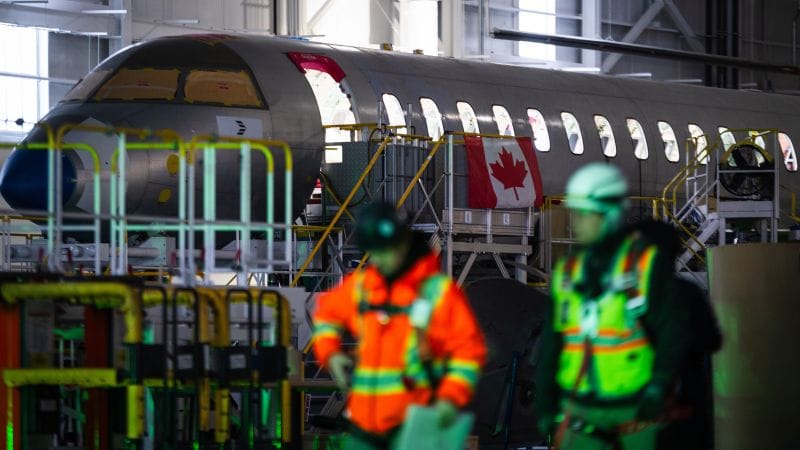
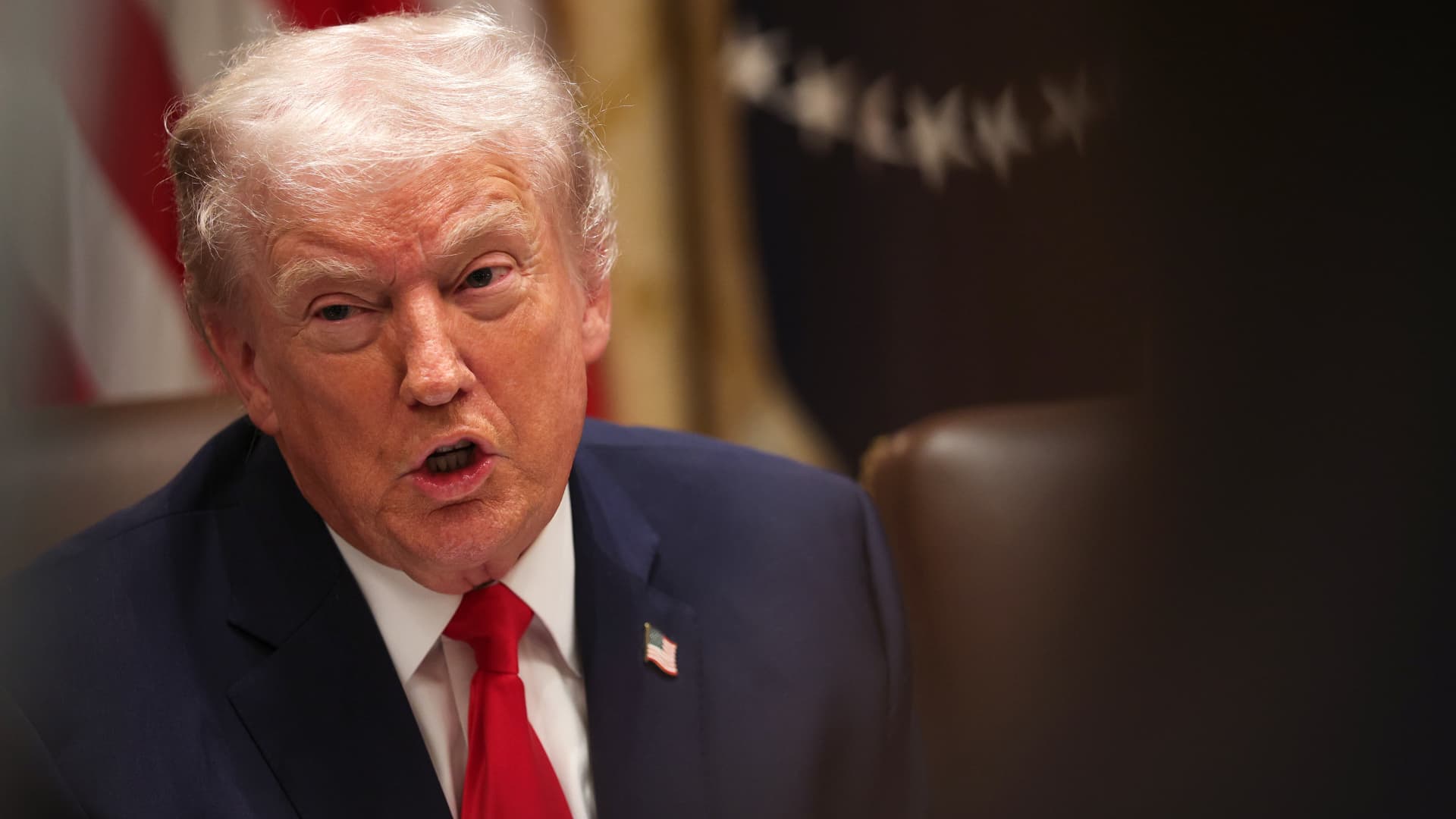
President Donald Trump announced Thursday that the U.S. is moving to decertify all aircraft manufactured in Canada. This significant policy shift also includes a threat of imposing a substantial 50% tariff on these planes.
The stated condition for lifting this action is that Canada must, in turn, certify American-made Gulfstream aircraft. This move directly targets Canadian aerospace giant Bombardier and signals a potential escalation in trade disputes between the two neighboring countries.
The Core of the Dispute: Bombardier vs. Gulfstream
The immediate focus of President Trump’s announcement appears to be the Bombardier Global Express business jets. The U.S. administration’s intention is to decertify these specific aircraft. This action is framed as a reciprocal measure, linked to Canada’s certification process for U.S.-manufactured planes.
Sources indicate that the U.S. is threatening a 50% import tariff on Canadian aircraft until Bombardier’s competitors, specifically U.S.-made Gulfstream jets, are granted certification in Canada. This creates a direct link between the two nations’ aviation certification processes and highlights a specific trade friction point.
Why This Matters: Broader Economic and Political Implications
This action by the Trump administration carries significant weight beyond just the aerospace industry. It represents another instance of the President employing aggressive trade tactics, often utilizing tariffs as a primary tool to achieve perceived national economic advantages.
The move directly challenges Canadian trade policy and could strain the long-standing economic partnership between the United States and Canada. The aerospace sector is a critical component of both economies, and such disruptions can have far-reaching consequences for jobs, investment, and supply chains.
Furthermore, the framing of the issue – linking U.S. aircraft certification to Canadian aircraft decertification – suggests a broader pattern of using trade leverage to influence other countries’ regulatory and economic decisions. This approach has been a hallmark of the Trump presidency’s foreign economic policy.
A Look Ahead: Potential Escalation and Trade Relations
The immediate future will likely involve intense negotiations and potential retaliatory measures from Canada. The Canadian government has historically defended its industries and may not easily concede to U.S. demands, particularly if they are perceived as unfair or protectionist.
The involvement of Bombardier, a major global player in aerospace, means this dispute could attract international attention and potentially involve other international trade bodies if it escalates. The precedent set by this action could also influence how other countries approach trade disputes involving sensitive industries.
Investors and industry observers will be closely monitoring the situation for any signs of de-escalation or further hardening of positions. The outcome of this specific trade spat could offer further insights into the Trump administration’s approach to international trade agreements and bilateral economic relations moving forward.