
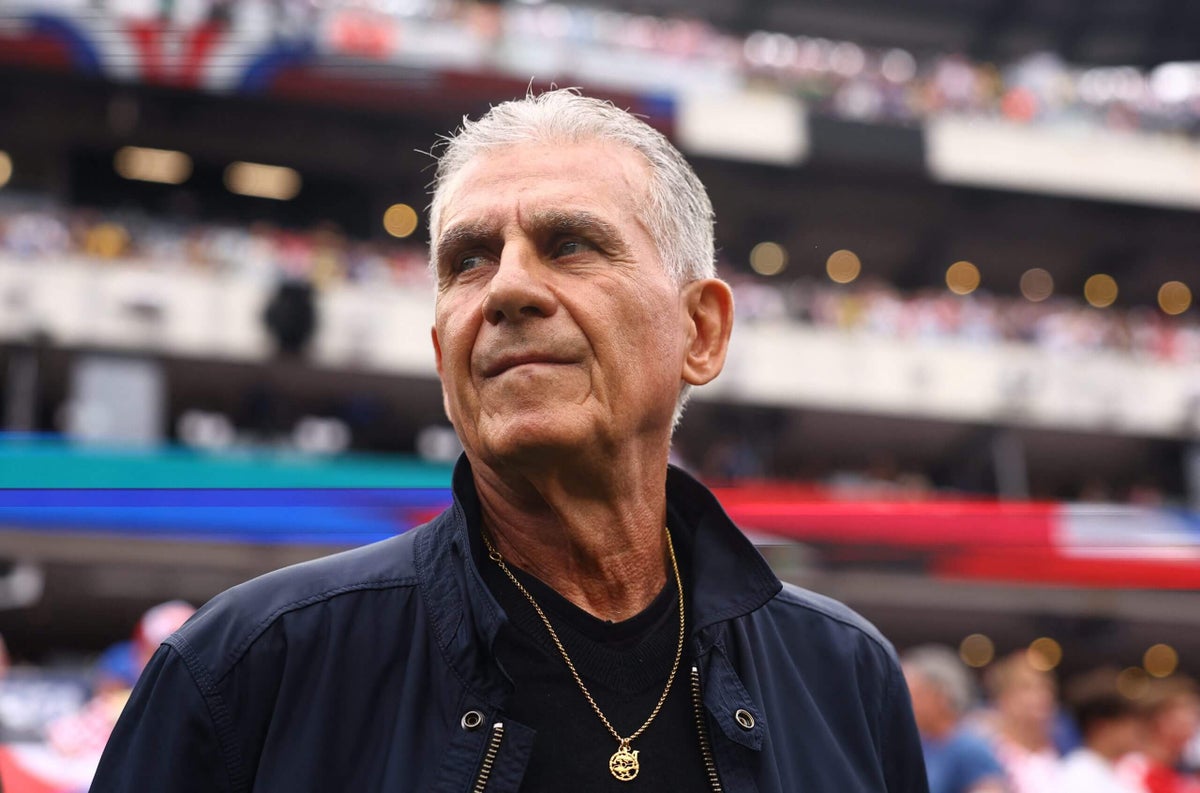
The Structural Erosion of Competitive Scarcity
The institutional transition from a 32-team to a 48-team World Cup represents a paradigm shift in the governance of international football. By expanding the field by 50%, FIFA has fundamentally altered the economic and sporting scarcity that historically underpinned the tournament’s prestige. Veteran manager Carlos Queiroz, drawing on four decades of elite experience, characterizes this expansion as a move toward the ‘vulgar and ordinary.’ His critique suggests that the World Cup’s brand equity is inextricably linked to its exclusivity—a quality now threatened by inflationary participation.
Institutional Incentives and the Revenue Mandate
The 48-team model, ratified in 2017, is widely viewed as a maneuver to consolidate institutional power through a volume-based revenue strategy. By increasing the match inventory, FIFA maximizes broadcast rights valuation and sponsorship saturation. However, this strategy risks long-term brand dilution. The tension between ‘inclusive access’ and ‘elite exclusivity’ reflects a broader ideological struggle within FIFA: prioritizing short-term financial KPIs over the qualitative preservation of the world’s premier sporting asset.
The Functional Devaluation of the Qualification Crucible
The expansion’s most immediate casualty is the qualification cycle. Historically a high-stakes meritocracy, the preliminary rounds are undergoing a functional devaluation. In the African confederation, for instance, the increase to ten slots diminishes the psychological and operational pressure that previously forged battle-hardened contenders. When qualification becomes a statistical probability for top-tier nations, the incentive for structural reform and high-intensity preparation wanes, potentially lowering the aggregate quality of the final tournament.
Operational Consequences: The Round of 32 and Tactical Stagnation
The introduction of a Round of 32—facilitated by the inclusion of ‘best third-placed teams’—fundamentally compromises the tournament’s knockout dynamics. Unlike the 32-team format’s ‘all-or-nothing’ group stage, the new structure provides a safety net that may incentivize conservative, low-risk tactics. When progression requires a lower points threshold, the strategic imperative shifts from seeking victory to avoiding heavy defeats, risking a decline in the competitive intensity that defines the World Cup’s global appeal.
Stakeholder Exposure and the Future of the Global Game
The long-term impact of this ‘vulgarization’ extends to broadcasters and sponsors who must now market a diluted product. If the World Cup loses its status as a rare, elite summit, its ability to command premium pricing may eventually plateau due to audience fatigue. FIFA faces the daunting challenge of managing this expansion without permanently eroding the unique cultural aura of the competition. As the game pivots toward a more commercially exploitable footprint, the distinction between a global festival and an elite sporting contest becomes increasingly blurred.

Photo by xusenru on Pixabay.