
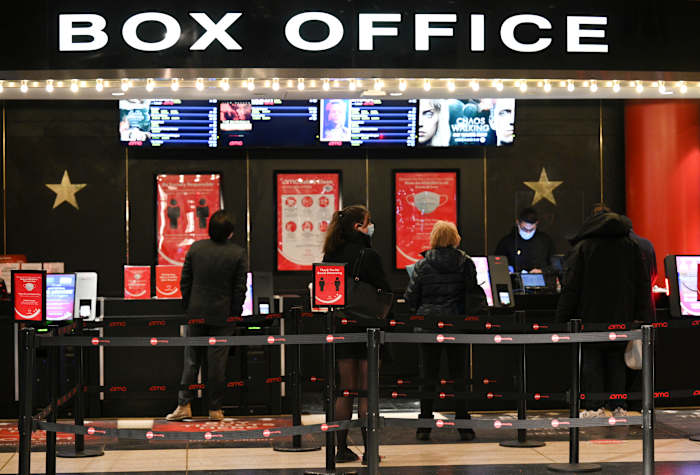
Strategic Imperatives: Maximizing Capacity & Concession Yield
The consistent reintroduction of free and deeply discounted summer movie programs by leading theatrical exhibitors like Santikos Entertainment and Regal Cinemas is a sophisticated strategic response to the inherent economic realities of the film exhibition business. Characterized by high fixed costs for rent, utilities, and staffing regardless of audience size, cinemas face a critical imperative: converting latent capacity into active, profitable engagement.
These initiatives, often scheduled during off-peak hours such as weekday mornings, directly address the challenge of underutilized screens. By offering accessible entertainment options (free or $1 tickets), exhibitors strategically fill seats that would otherwise remain vacant, thereby mitigating the opportunity cost of empty auditoriums. This footfall is crucial, not primarily for ticket revenue – which is often shared with distributors and minimal in these programs – but as a foundational driver for high-margin concession sales. Popcorn, sodas, and candy typically carry significantly higher profit margins than ticket revenue, making them the primary revenue anchor and a key determinant of a theater’s overall profitability. Attracting families with low-cost entry creates a captive audience primed for these lucrative ancillary purchases.
Competitive Dynamics & Audience Cultivation
The simultaneous launch of distinct discount programs, such as Santikos’s "Free Summer Movies" versus Regal’s "$1 Summer Movie Express" in competitive markets like San Antonio, highlights a nuanced approach to market positioning. Santikos’s "free" model aims to maximize initial footfall and eliminate any financial barrier, potentially driving higher concession spending and fostering a community-first brand image. Conversely, Regal’s nominal $1 fee may subtly signal a baseline value for the cinematic experience while remaining highly affordable. Both strategies are designed to capture a significant share of the family demographic, fostering brand loyalty and ensuring their venues remain top-of-mind for out-of-home entertainment. These programs are investments in audience development, introducing new generations to the communal experience of movie-watching and securing future ticket sales beyond the promotional period.
Strategic Programming & Seasonal Market Capture
The film schedules for these summer programs predominantly feature established, family-friendly animated or franchise films, such as "The Wild Robot," "Sonic the Hedgehog 3," "Minecraft," "How to Train Your Dragon," and "Sing." The strategic selection of catalog titles, which have completed their initial theatrical runs, minimizes financial risk by allowing for more flexible and cost-effective licensing terms compared to new releases. This approach enables exhibitors to offer recognizable and appealing content without incurring higher distribution costs, thereby optimizing the cost-benefit ratio of the initiative.
Timing is paramount. Summer traditionally represents a peak season for family entertainment due to school holidays and increased leisure time. These programs are meticulously scheduled to capitalize on this heightened demand, providing a structured, affordable activity for families throughout the week. This predictability helps integrate cinema visits into families’ summer routines, building consistent attendance and reinforcing the theater’s role as a reliable entertainment destination.
Operational Realities & Digital Friction
The operational logistics of these programs, particularly the requirement for in-person ticket acquisition on the day of the show on a first-come, first-served basis, streamline online ticketing infrastructure for these specific events, focusing resources on efficient on-site service. However, this approach places significant demands on theater personnel for effective crowd management and ensures a positive customer experience from entry to exit. Any technical friction, such as disabled JavaScript preventing access to online schedules, underscores vulnerabilities in digital information dissemination. While tickets are in-person, initial discovery and planning are often online, making robust and accessible digital platforms critical for program visibility and potential attendance, even when full data on specific screenings might be incomplete, as indicated by "SCRAPE_FAILED" notices.
Long-Term Viability & Broader Economic Impact
These recurring summer movie programs signify a broader, long-term strategic pivot within the theatrical exhibition industry. Faced with intense competition from streaming services, cinemas are enhancing their experiential value and accessibility, moving beyond sole reliance on first-run blockbusters. These initiatives serve as a critical component of a diversified revenue strategy and an investment in community engagement, aiming to secure the enduring relevance and economic viability of the physical cinema experience. Beyond direct revenue, increased foot traffic often generates positive economic externalities for local communities, boosting patronage for nearby restaurants and retail establishments. This ripple effect positions theaters as anchors within local commercial ecosystems, extending their strategic importance beyond immediate financial statements and demonstrating the industry’s adaptability and resilience in navigating a highly competitive and dynamic entertainment landscape.

Photo by xxx_Zephyr_xxx on Pixabay.