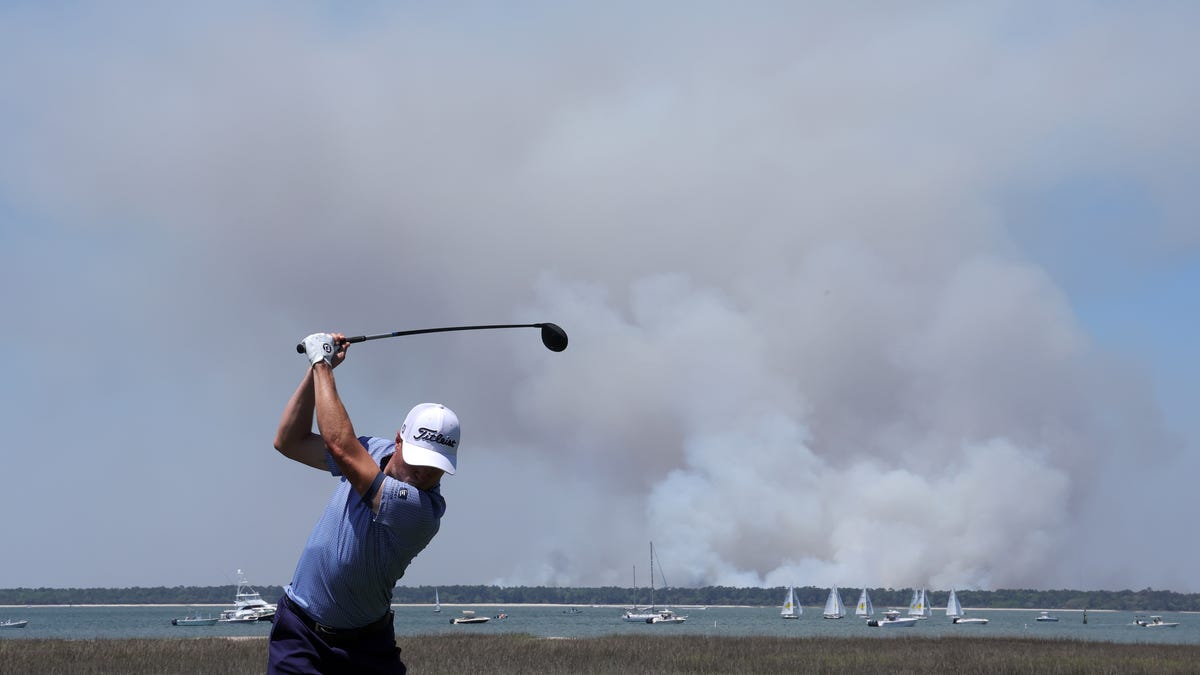
The withdrawal of Rory McIlroy from the RBC Heritage serves as a high-profile stress test for the PGA Tour’s Signature Event framework. As the fourth of eight limited-field, high-purse tournaments in the revamped schedule, the RBC Heritage is designed to aggregate elite talent through a $20 million prize fund. However, McIlroy’s decision to skip the event—following a grueling Masters week—highlights a systemic tension between the Tour’s commercial requirements and the physical demands of its top-tier athletes.
Marketability vs. Meritocracy in Field Composition
Despite the loss of McIlroy, the field remains analytically dense, featuring 18 of the world’s top 20 players. This concentration of talent is the primary value proposition for title sponsor RBC, ensuring that the $3.6 million winner’s share is contested by a statistically elite cohort. The inclusion of high-profile names like Scottie Scheffler and Xander Schauffele maintains the tournament’s competitive integrity, while the use of sponsor exemptions for players like Max Homa ensures that the ‘star power’ remains sufficient to drive broadcast ratings and gallery attendance.
The Aon Pipeline: Solving the ‘Closed Shop’ Problem
To prevent Signature Events from becoming stagnant ecosystems, the PGA Tour utilizes the ‘Aon Next 10’ and ‘Aon Swing 5’ pathways. These mechanisms provide critical structural liquidity, allowing in-form players to bypass traditional ranking delays. By integrating emerging talent into high-leverage environments, the Tour balances the need for institutional stability with the necessity of meritocratic churn. This ensures that the RBC Heritage is not merely an exhibition for established stars, but a genuine battlefield for the season’s most efficient performers.
Financial Defensive Positioning and Sponsor ROI
The $20 million purse functions as a defensive financial instrument intended to solidify the PGA Tour’s market share in the professional golf landscape. By concentrating capital into specific windows, the Tour attempts to maximize the return on investment for corporate partners. However, the recurring absence of marquee names like McIlroy or Hideki Matsuyama introduces ‘contractual volatility.’ Sponsors pay a premium for a guaranteed product; when that product is diluted by late withdrawals, the perceived value of the partnership is inherently challenged, forcing the Tour to reconsider the enforcement of its participation mandates.
Geographic Logic and Post-Major Momentum
The logistical proximity of Hilton Head to Augusta National is a strategic pivot designed to capture post-Masters momentum. The two-hour transit allows the Tour to retain the global sporting audience’s attention while it is still peaked. This scheduling logic is essential for the RBC Heritage’s regional economic impact, as the influx of high-net-worth spectators relies on the tournament’s status as a premier extension of the major championship season. The event’s success is a barometer for whether the PGA Tour can sustain fan engagement without a singular, dominant protagonist in every field.