
Geopolitical Risk Mitigation and Energy Liquidity
The successful egress of three Very Large Crude Carriers (VLCCs) from the Strait of Hormuz, transporting a cumulative 6 million barrels of crude, represents a critical tactical de-escalation of asset exposure. This movement serves as a high-stakes barometer for current maritime risk tolerance, indicating that despite regional volatility, institutional shipowners are identifying viable windows for asset extraction. For global energy markets, this transit injects essential liquidity into a supply chain strained by geopolitical friction, providing a necessary buffer for downstream refinery schedules in both Asian and Atlantic basins.
Operational Complexity of VLCC Navigation
Executing a synchronized exit for three supertankers involves rigorous adherence to Traffic Separation Schemes (TSS) within a constrained maritime corridor. These vessels, typically exceeding 300 meters in length with draft requirements that limit them to specific deep-water channels, operate with minimal maneuverability. The successful navigation of this 21-mile-wide chokepoint suggests a high degree of coordination between vessel masters, regional naval authorities, and private maritime security details to mitigate asymmetric threats and electronic interference.
War Risk Insurance and Financial Liabilities
The financial architecture of this transit is dictated by the Joint War Committee’s (JWC) risk designations. The departure of these vessels likely triggers a reduction in active liabilities for Protection and Indemnity (P&I) clubs and commercial underwriters. Given that war risk premiums can escalate to a significant percentage of hull value during active conflict, the physical relocation of $600M+ in combined cargo and vessel assets to the Gulf of Oman allows for the normalization of voyage capital structures and the cessation of high-risk surcharges.
International Maritime Governance and UNCLOS
This transit underscores the practical application of the ‘transit passage’ regime under the United Nations Convention on the Law of the Sea (UNCLOS). By maintaining the flow of commerce through a contested waterway, the maritime industry reinforces international legal norms against the threat of regional closure. The involvement of flag states and classification societies ensures that even under duress, the structural and environmental safety protocols—such as inert gas system maintenance for volatile cargo—remain uncompromised, preventing catastrophic ecological or economic fallout.
Supply Chain Resilience and Market Sentiment
The arrival of 6 million barrels at destination ports will stabilize regional energy inventories and dampen short-term volatility in oil futures. This volume is particularly critical for refiners configured for Middle Eastern sour grades, where interruptions often necessitate expensive spot-market pivots. Ultimately, this successful operation demonstrates the resilience of the global energy delivery model, where sophisticated logistics and financial risk management frameworks continue to facilitate the movement of essential commodities despite escalating regional tensions.

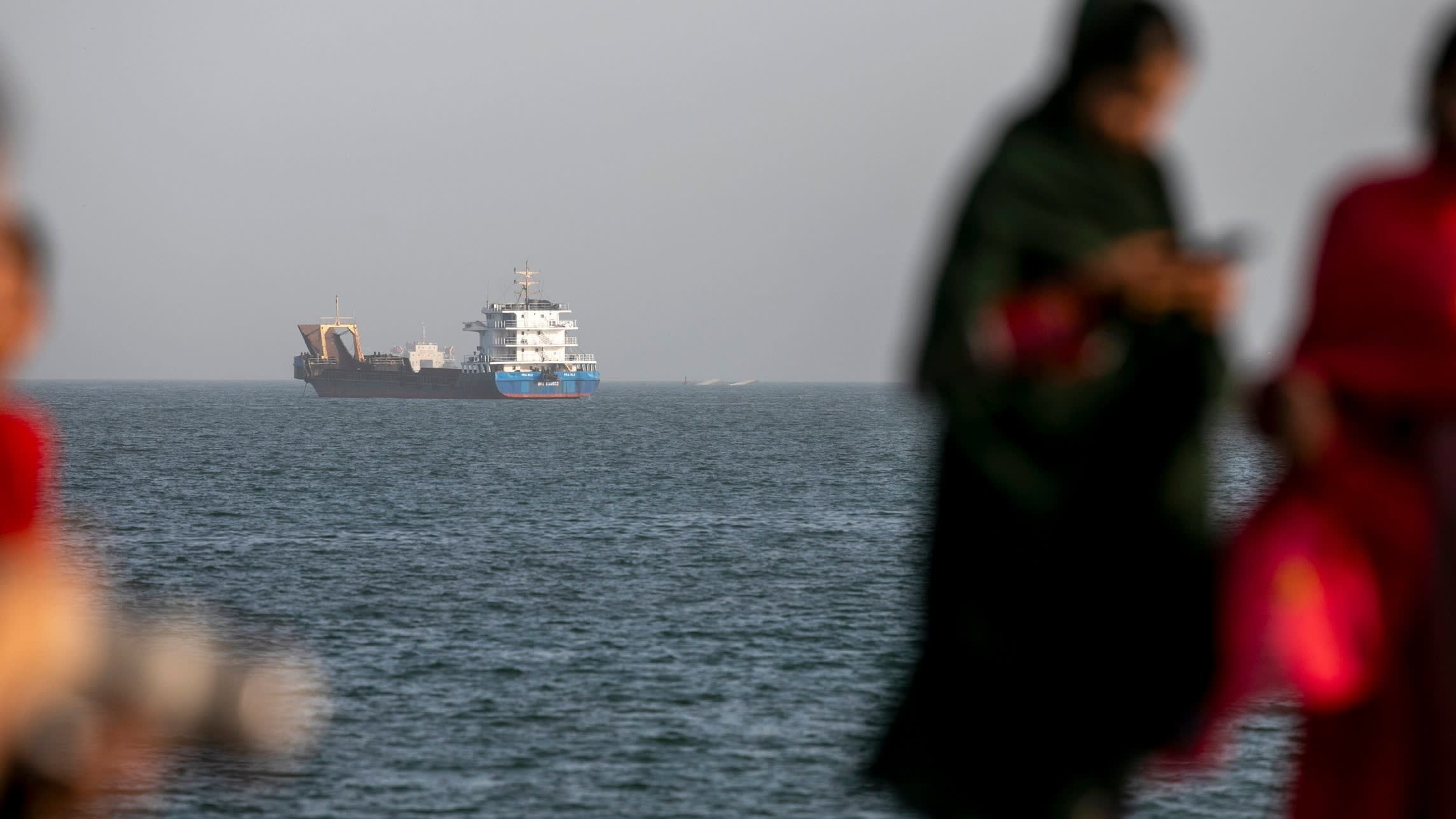
Photo by Kanenori on Pixabay.