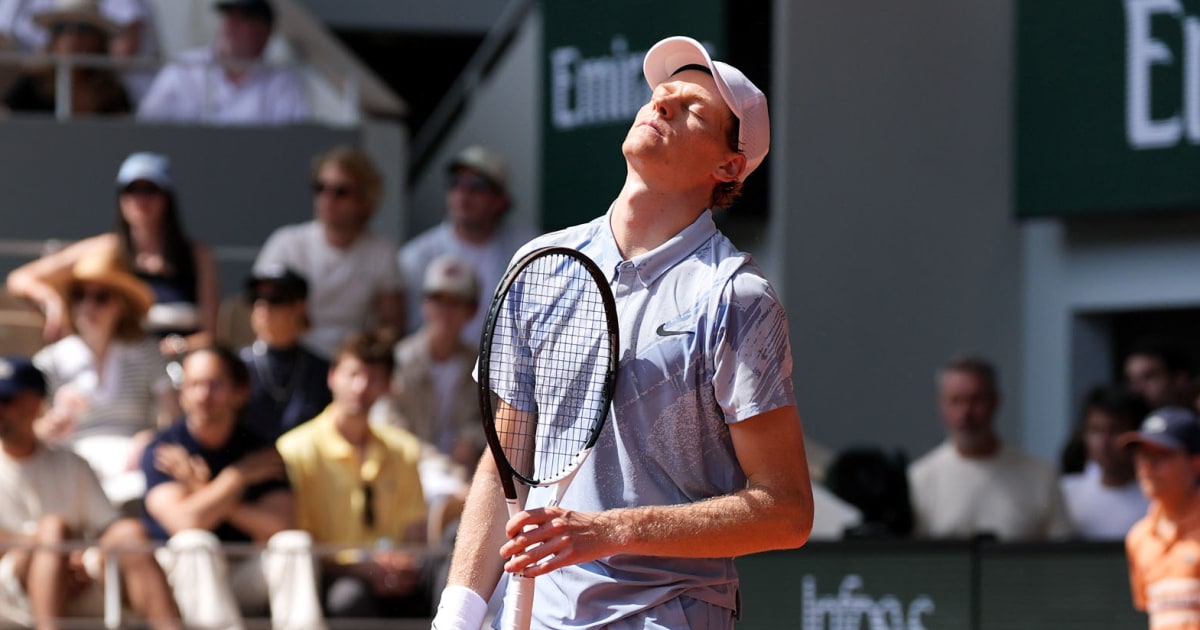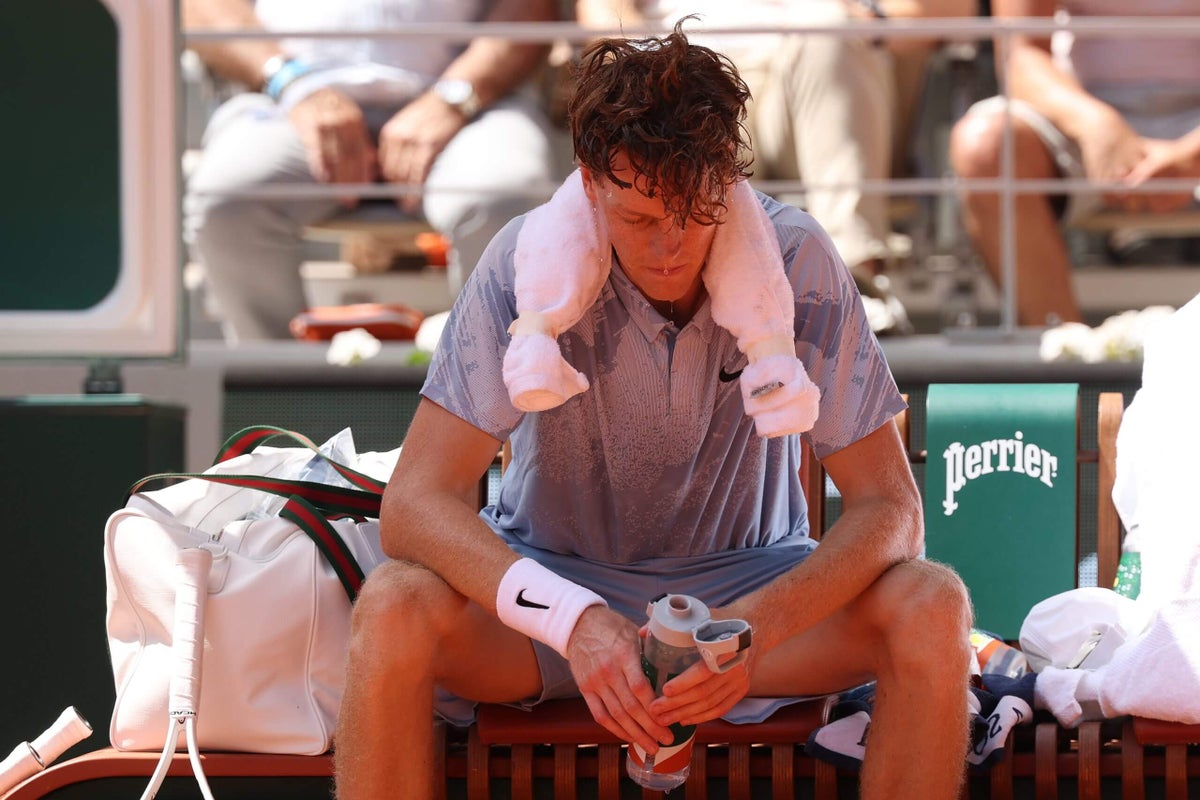
The premature departure of world No. 1 Jannik Sinner from the French Open in the second round is more than an isolated tournament upset; it is a diagnostic case study in the physical limits of elite athletic performance under environmental stress. By falling to Argentina’s Juan Manuel Cerúndolo (ranked No. 56), Sinner’s defeat exposes systemic thermoregulatory vulnerabilities that threaten to cap his multi-surface dominance. This outcome not only reshapes the competitive bracket at Roland Garros but also underscores a growing operational crisis for professional tennis as global temperatures rise.
The Physiological Limits of Thermoregulation on Clay
Sinner’s performance demonstrated the stark boundary between tactical dominance and physiological collapse. Up 6-3, 6-2, 5-2, the Italian appeared poised for a routine straight-sets victory. However, the onset of severe heat exhaustion and acute cramping triggered a rapid cascade of motor control failure. The subsequent 3-6, 2-6, 7-5, 6-1, 6-1 defeat illustrated how environmental variables can abruptly neutralize technical superiority.
Under high thermal stress, the human body prioritizes cooling over muscular performance. Vasodilation diverts blood flow from working muscles to the skin to facilitate sweating. This redistribution reduces cardiac output, compromises aerobic capacity, and degrades fine motor skills. On a punishing surface like clay—which demands continuous lateral recovery and extended rallies—this physiological strain is magnified. Sinner’s desperate decision to rest on an advertising board at 5-4 in the third set was a clear sign of acute central nervous system fatigue, directly leading to his uncharacteristic unforced errors and diminished court coverage.
This breakdown follows a documented history of heat sensitivity. A similar physical decline hampered Sinner at the Australian Open against Novak Djokovic. The recurrence of these symptoms when ambient temperatures approach the 90s (Fahrenheit) indicates a systemic metabolic challenge that his physical conditioning team has yet to resolve.
Disrupting the Grand Slam Duopoly and Commercial Forecasts
Sinner’s exit, compounded by Carlos Alcaraz’s pre-tournament withdrawal, dismantles the anticipated duopoly of the 2024 French Open. Together, Sinner and Alcaraz have dominated the modern men’s game, claiming most recent majors and creating a highly bankable rivalry. For broadcasters, sponsors, and tournament directors, their deep runs offer predictable, high-value television ratings and premium ad placements.
A highly fragmented draw shifts competitive pressure down to mid-tier players and clay-court specialists. While this structural opening introduces compelling underdog narratives, it dilutes the event’s broad commercial appeal. Network executives must now pivot marketing efforts from a generational rivalry to a highly unpredictable, open-field dynamic, which historically struggles to capture the same casual viewer metrics.
The Institutional Rise of Juan Manuel Cerúndolo
For Juan Manuel Cerúndolo, the victory is a career-defining breakthrough. Often overshadowed by his higher-ranked brother, Francisco, the 24-year-old leveraged superior physical durability to secure his first career win over Sinner. This milestone advances him to the third round of a Grand Slam for the first time, establishing his independent competitive profile on the ATP Tour.
The financial and structural rewards of this win are profound for a player outside the top 50. The guaranteed prize money and ranking points provide the capital necessary to fund dedicated physical trainers, physiological consultants, and optimized travel logistics. This structural support is vital for sustaining long-term consistency at the tour level, transforming a single upset into a platform for career growth.
The ATP’s Growing Extreme Heat Dilemma
This match highlights a critical institutional challenge: the adequacy of the ATP and ITF’s Extreme Heat Policies. Current protocols rely on the Wet-Bulb Globe Temperature (WBGT) index to trigger match play suspensions or roof closures. However, Sinner’s collapse during a standard afternoon session suggests that existing thresholds may not sufficiently account for the compounding effects of radiant court heat and prolonged physical exertion.
Furthermore, scheduling remains a major point of tension. Tournament organizers are caught between the commercial demands of premium afternoon broadcast windows and their duty of care to the athletes. Prioritizing peak viewership hours over player safety risks degrading the on-court product, as top stars are eliminated not by superior play, but by preventable heat illness.
Strategic Implications for Sinner’s Future
To secure his position at the top of the sport, Sinner’s coaching staff must prioritize physiological remediation. This includes restructuring his calendar to allow for longer heat-acclimatization blocks before summer hard-court and clay tournaments. Additionally, his medical team must implement advanced hydration, cooling vest protocols during changeovers, and precise electrolyte monitoring.
Until Sinner resolves this vulnerability, opponents will weaponize it. Smart tactical players will intentionally extend rallies, vary tempos, and extend match times under hot conditions to test his physical limits. Sinner’s long-term legacy depends on his ability to match his world-class technical skills with a robust, heat-resistant physical foundation.