
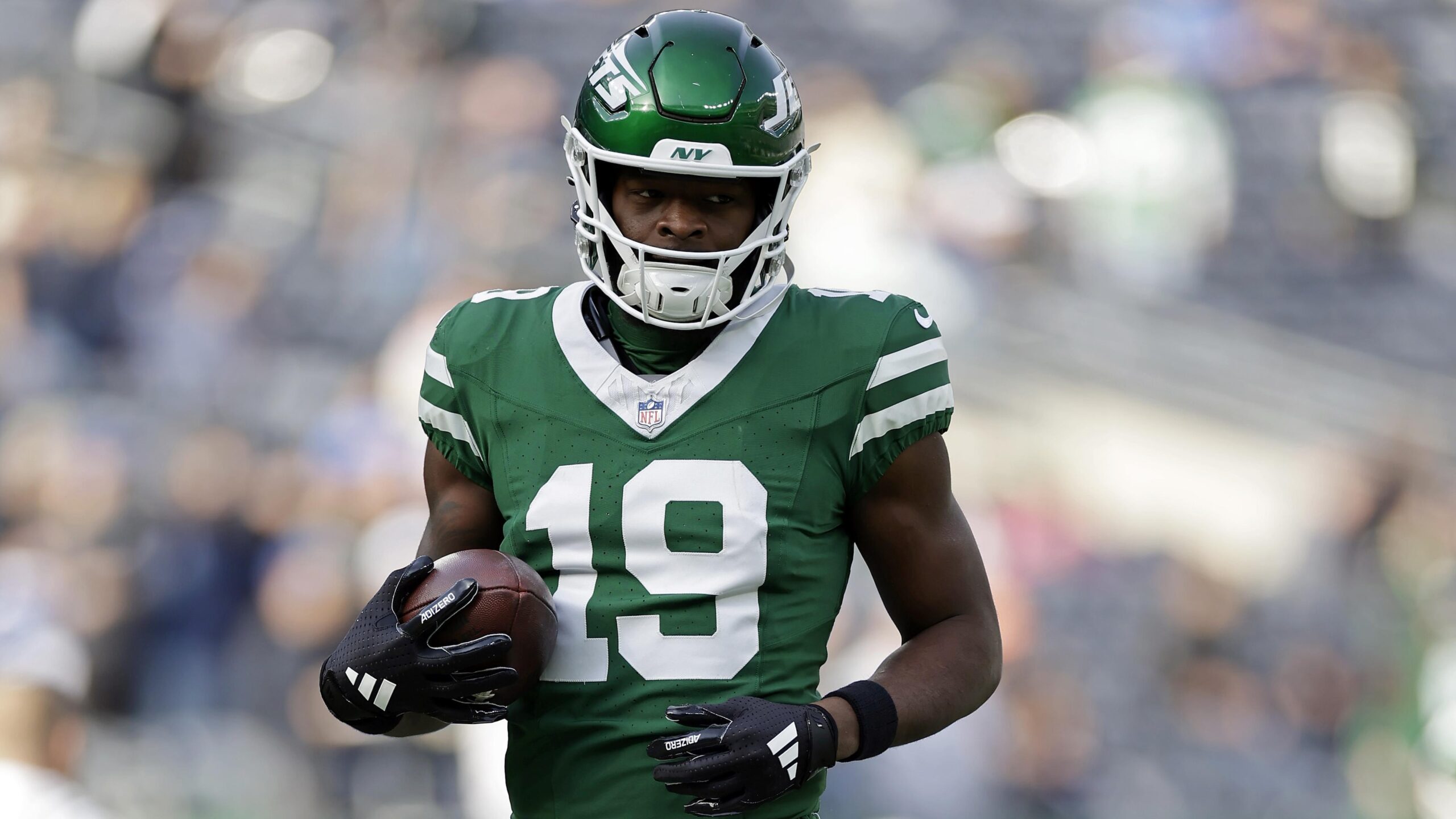
Transactional Analysis: Deferred Capital for Immediate Utility
The Seattle Seahawks’ acquisition of Irvin Charles from the New York Jets is a textbook example of leveraging extreme-tail draft capital—a 2028 conditional pick—to address immediate deficiencies in special teams. By trading a selection four years out, Seattle’s front office has effectively minimized immediate opportunity costs while securing a proven specialist. This transaction reflects a league-wide trend toward isolating ‘phase-three’ contributors whose value is decoupled from offensive production and instead tethered to field-position metrics.
The Gunner Archetype: Physicality and Positional Scarcity
Standing 6’4″ and weighing 219 pounds, Charles represents the prototypical special teams gunner. His statistical profile—450 special teams snaps compared to just 53 offensive snaps—underscores his role as a niche asset. In Seattle’s defensive-heavy philosophy, Charles’s ability to disrupt return lanes and record 14 tackles over two seasons provides a stabilization factor for the coverage units. His frame allows him to shed blocks with the efficiency of a linebacker while maintaining the requisite speed of a perimeter player, addressing a specific void in Seattle’s depth chart.
Risk Mitigation and Medical Contingencies
The pivot point of this trade lies in the ‘conditional’ nature of the 2028 pick, which serves as a financial and roster safeguard regarding Charles’s recovery from a 2024 ACL tear. By structuring the deal around milestones—likely roster tenure or snap counts—Seattle ensures they only surrender assets for a player who successfully clears medical benchmarks. This structure allows the Seahawks to evaluate his lateral mobility and explosive burst during the OTA period before committing a permanent roster spot, effectively outsourcing the final stage of his rehabilitation to their own training staff.
Organizational Alignment: The Hidden Yardage Battle
Strategically, this move aligns with Seattle’s historical emphasis on ‘hidden yardage.’ The acquisition of a veteran who has demonstrated the ability to block punts and force fair catches provides a floor of competence that undrafted free agents rarely offer. For the Jets, the trade facilitates roster elasticity, allowing them to pivot toward younger developmental prospects while recouping future assets. For Seattle, it is a calculated bet on physical traits and veteran experience to optimize the efficiency of their transition game.

Photo by jwskks5786 on Pixabay.