The Concentration Risk of Educational SaaS
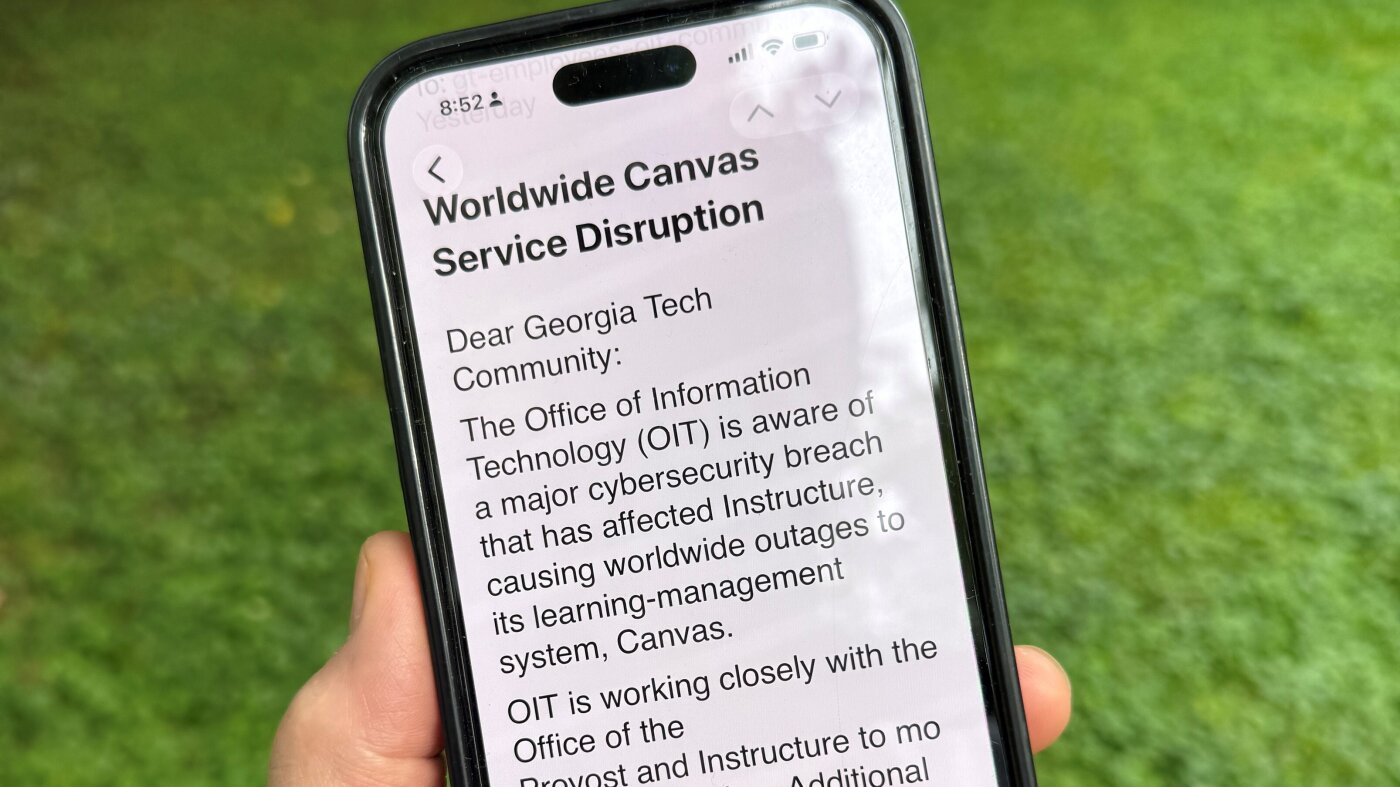
The security compromise of Instructure’s Canvas platform represents more than a localized data breach; it exposes a systemic single point of failure within the global academic ecosystem. By aggregating the operational workflows of over 30 million users into a singular cloud-based hub, the platform creates an environment where a localized vulnerability yields sector-wide paralysis. For the 8,000 institutions affected—including Ivy League and UC systems—this incident highlights the dangerous convergence of vendor security and institutional continuity.
Tactical Leverage: Exploiting Peak-Demand Windows
The timing of the attack, synchronized with national final exam periods, demonstrates a shift toward high-leverage exploitation. By targeting the LMS during its most critical operational window, threat actors maximized the ‘urgency premium’ of their ransom demands. This tactical choice forced administrators to navigate a zero-sum conflict between maintaining academic integrity and resolving technical outages, effectively weaponizing the academic calendar against the institutions themselves.
The ShinyHunters Factor and Persistent Security Debt
Attributed to the threat actor group ShinyHunters—famed for the 2024 Ticketmaster breach—this incident suggests sophisticated persistence. The group’s claim of bypassing existing security patches indicates ‘security debt’: the accumulation of unaddressed vulnerabilities that remain exploitable despite surface-level remediation. The breakdown in the vulnerability disclosure process, as alleged in the ransom note, underscores a critical disconnect between vendor responsiveness and the evolving threat landscape.
Digital Sovereignty: The Shift Toward Risk-Based Restoration
The University of California’s decision to pursue a staggered, risk-based restoration—rather than accepting Instructure’s initial ‘all-clear’—marks a pivot toward institutional digital sovereignty. This cautious approach signals a growing skepticism regarding vendor-side self-reporting. By prioritizing internal audits over immediate uptime, institutions are asserting a need for greater autonomy in managing the risks associated with outsourced digital architecture.
Federal Escalation and the Classification of EdTech
The mobilization of multi-state FBI resources signifies that EdTech is increasingly viewed as critical infrastructure. Federal involvement highlights the sensitivity of the PII (Personally Identifiable Information) involved—spanning students, faculty, and high-value researchers. This federalization suggests that the breach’s implications extend beyond data theft to include broader concerns regarding the stability of the digital systems underpinning national intellectual capital.
Economic Valuation of Academic Data Assets
For threat actors, the value of the Canvas breach lies in the demographic density of its dataset. Accessing a central hub provides a higher ROI than targeting individual schools, offering a concentrated pool of PII for future social engineering or identity theft. Even after service restoration, the residual risk of this data being sold on the dark web creates long-term liabilities for Instructure, impacting both institutional trust and cybersecurity insurance premiums for years to come.
Operational Redundancy and the ‘Plan B’ Deficit
The total loss of grading tools and communication channels during the outage reveals a lack of institutional redundancy. The ‘black screen’ phenomenon proves that many universities have no viable secondary system for digital instruction. This failure is likely to prompt a reevaluation of LMS procurement, shifting the focus from features and convenience to resilience and the ability to maintain core functions during vendor-side compromises.
Conclusion: The Erosion of Unquestioned Trust
The Canvas breach serves as a catalyst for a more skeptical era of EdTech procurement. The convenience of the cloud-based hub is now being weighed against the cost of total sector exposure. Moving forward, the relationship between universities and providers will likely be defined by more rigorous vetting, data sovereignty requirements, and a move away from the ‘set and forget’ SaaS model toward a more proactive, risk-aware digital strategy.