Strategic Asymmetry: The Venue Dilemma in IPL 2026
The IPL 2026 fixture between Punjab Kings (PBKS) and Sunrisers Hyderabad (SRH) at the Maharaja Yadavindra Singh International Stadium transcends a standard league match, serving as a case study in the eroding value of home-field advantage. In an era of data-driven scheduling, the transition from geographic loyalty to operational optimization has redefined competitive leverage.
PBKS: Navigating the Mullanpur Deficit
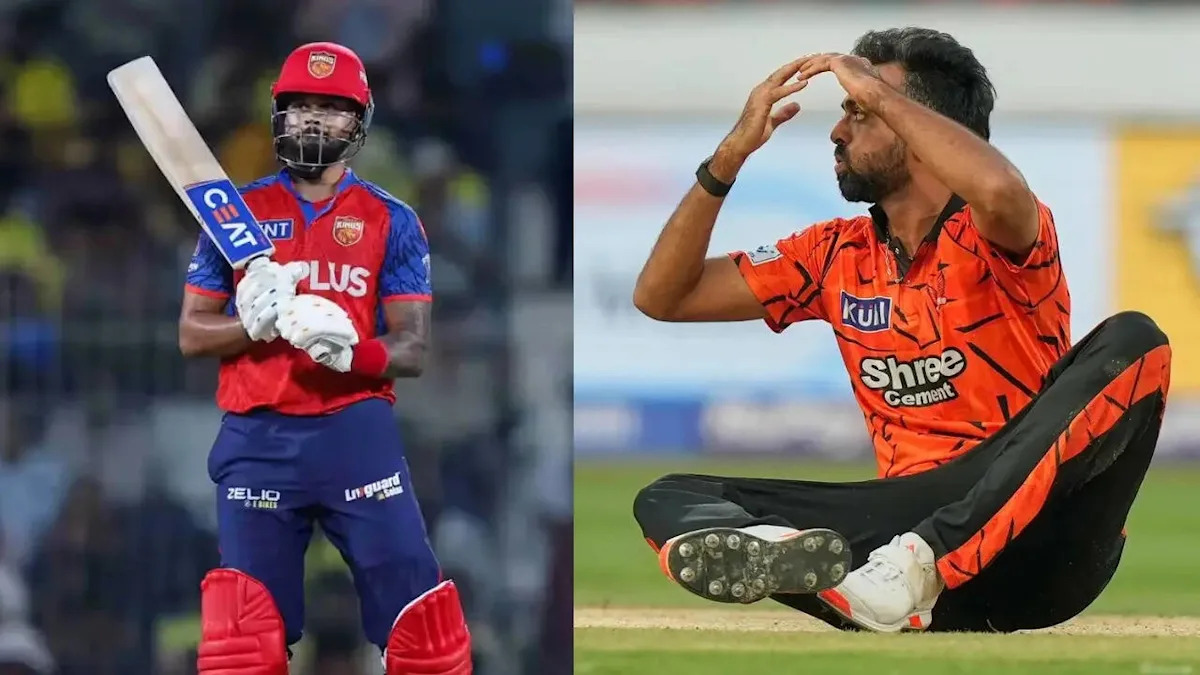
For the Punjab Kings, the shift to New Chandigarh underscores a persistent lack of institutional permanence. Historical data reveals a stark 71% loss rate at this venue (15 defeats in 21 appearances), indicating that Mullanpur has yet to yield a distinct strategic edge. The 2026 schedule further complicates this: with 25% of their home matches concluded after just one fixture, PBKS faces a compressed adaptation window. This structural constraint forces a ‘road-warrior’ operational model, where success depends on tactical flexibility rather than environmental familiarity.
SRH: The Doctrine of Aggressive Neutrality
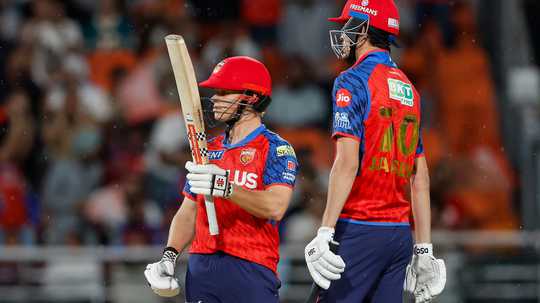
Conversely, Sunrisers Hyderabad is undergoing a crisis of identity at their own base, securing only two wins in their last seven home appearances. This volatility has birthed a new tactical doctrine: aggressive neutrality. By treating every venue—including Mullanpur—as a neutral ground, SRH prioritizes raw performance over regional adaptation. The ‘Travishek’ partnership (Travis Head and Abhishek Sharma) embodies this, utilizing divergent preparation styles to neutralize pitch variables. While Sharma leverages local ground intelligence, Head employs high-intensity rehearsal to impose technical dominance regardless of conditions.
Institutional Shifts and Structural Stability
The broader implications of these venue struggles are financial and structural. Inconsistent home performance dilutes fan engagement and sponsorship leverage. As the IPL evolves into a high-frequency, multi-venue tournament, the ability to maintain performance across disparate conditions has become the primary differentiator. The Mullanpur data suggests that the physical environment is no longer a static background but an active variable requiring constant reconciliation. Whether PBKS can stabilize their New Chandigarh footprint or SRH can execute their traveler’s mandate will likely dictate the mid-season standings of IPL 2026.