Gamescom 2026 Reveal: Strategic and Demographical Expansion
The unveiling of Nodusfall at Gamescom 2026 marks a decisive pivot in HoYoverse’s long-term portfolio architecture. Historically anchored in stylized, cel-shaded aesthetics, the publisher is actively diversifying into high-fidelity, realistic dark fantasy. By deploying this reveal at a tier-one international showcase, HoYoverse aims to capture demographic share in mature console and PC markets across North America, Europe, and Asia, challenging entrenched leaders in the premium action-RPG sector.
Technical Overhaul: Asset Pipelines and Visual Realism
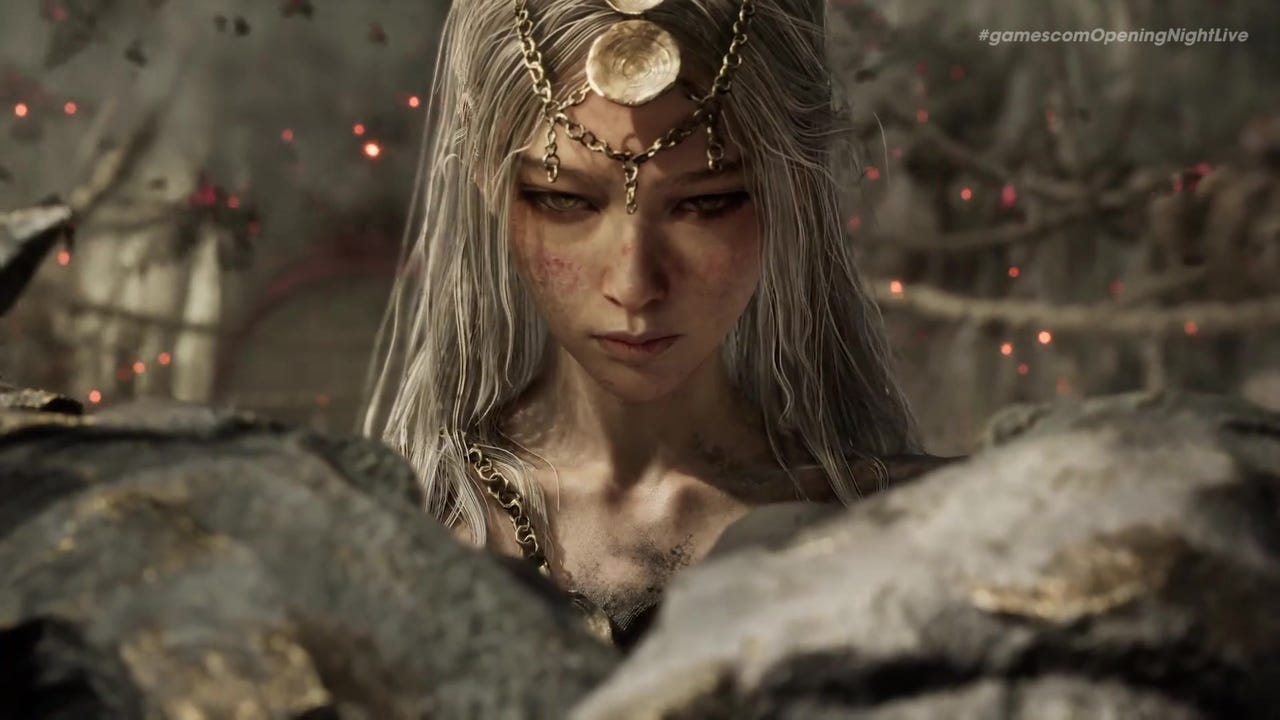
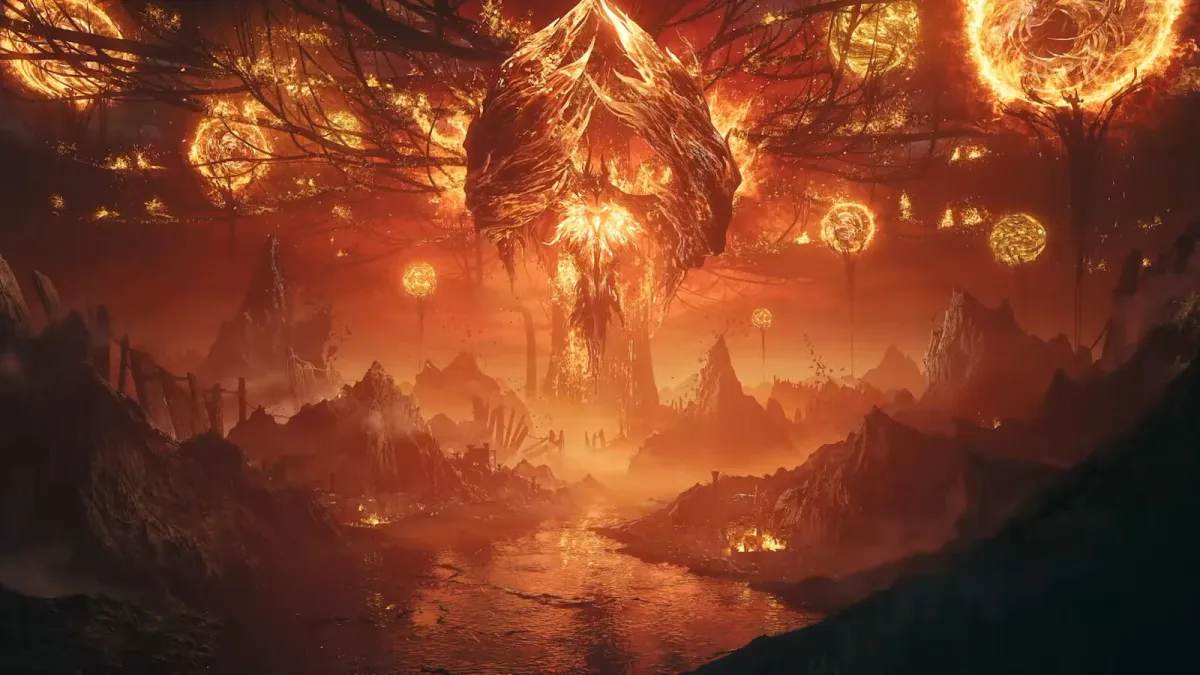
Transitioning from anime-style rendering to aesthetic realism requires structural revisions across HoYoverse’s internal development pipelines. This shift demands new workflows in physically based rendering (PBR), dynamic lighting models, and advanced motion capture for character and creature animations. Grounding the narrative in a world burdened by ancient hatreds relies heavily on high-fidelity environmental design, signaling substantial capital allocation to match the visual benchmarks of modern AAA action titles.
Deliberate Combat Design and Encounter Systems
Mechanically, Nodusfall departs from high-velocity ability cycling in favor of deliberate, high-stakes combat. Featuring heavy strikes and dangerous enemy attack patterns, the encounter design aligns closer with tactical action paradigms that emphasize timing, stamina management, and positional awareness over statistical output. This pacing necessitates sophisticated enemy AI routines capable of challenging coordinated multiplayer groups without reducing boss encounters to predictable scripting.
Cross-Cultural Mythological Synthesis
The game’s narrative and visual architecture synthesizes Eastern mythological creatures and Western dragon traditions into a unified ecosystem. This dual-source approach serves a dual strategic purpose: maximizing cross-regional market resonance and providing a vast baseline of lore for modular live-service expansion. By leveraging recognizable cultural touchstones, the IP establishes immediate narrative weight while bypassing heavy expository hurdles for international players.
The Weaver Archetype and Vertical Co-Op Mechanics
Player characters, designated as “Weavers,” utilize thread-based abilities that drive both traversal and combat. These mechanics facilitate vertical engagement, allowing players to mount calamitous beasts and target dynamic weak points. Structurally, the thread system serves as the cornerstone for cooperative synergy, encouraging three-dimensional arena navigation and multi-angle tactical coordination reminiscent of high-end hunting action frameworks.
Live-Service Architecture: The Dreadnodi Corruption Engine
The core narrative premise—the collapse of divine authority and subsequent corruption of legendary beasts by the “Dreadnodi”—functions as an integrated engine for live-service operations. The mandate to recover remnants of lost divinity establishes systemic progression goals while providing narrative justification for recurring boss encounters, world-state variations, and seasonal content infusions across evolving map zones.
Market Positioning and Execution Risks
Entering the dark fantasy co-op arena places HoYoverse in direct competition with established action-RPG franchises from developers like Capcom and FromSoftware. This strategic expansion exposes the studio to distinct technical and operational scrutiny, particularly regarding netcode performance, cooperative combat balance, and long-term endgame depth. Furthermore, the increased production overhead of high-fidelity realistic assets may challenge the aggressive content release cadences typical of the studio’s portfolio.