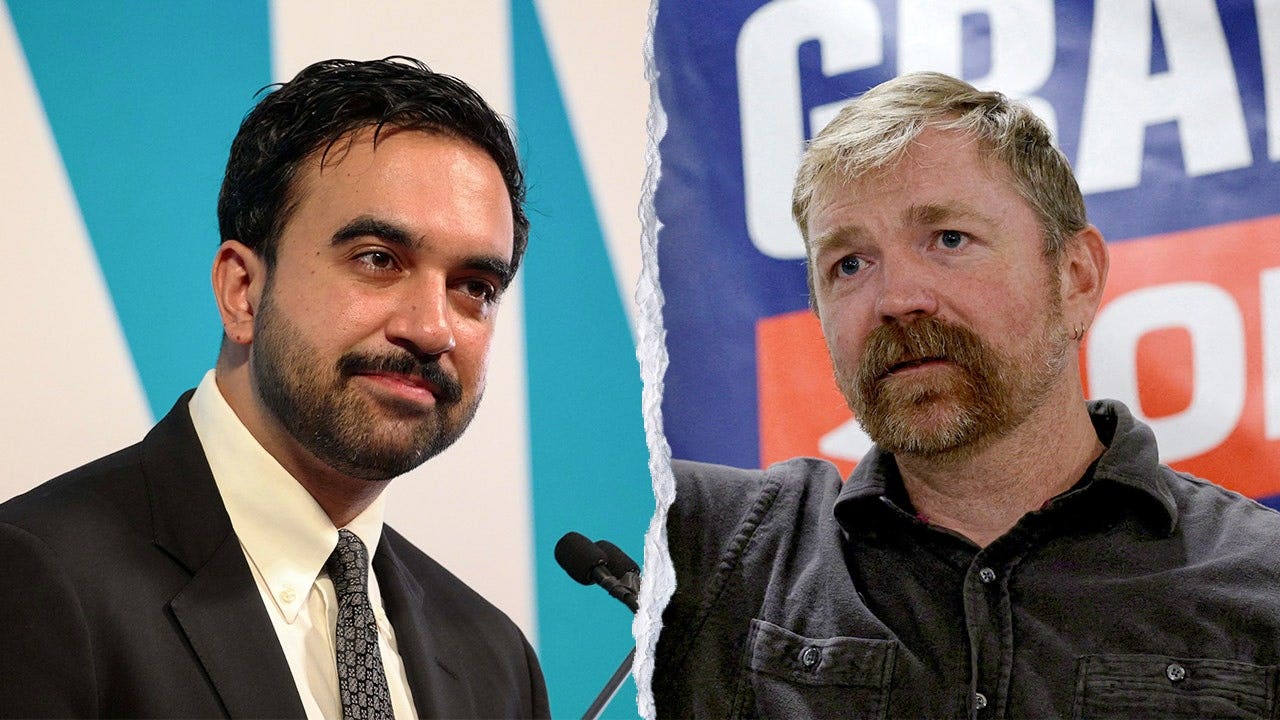
Candidate Vetting: A Systemic Breakdown in Political Consulting
The implosion of Graham Platner’s Senate campaign has catalyzed a significant inquiry into the operational integrity of political consulting firms. Central to this controversy is Morris Katz and his firm, Fight Agency, which managed the campaign’s strategic direction and media production.
Evidence suggests Platner’s vetting process was cursory, involving a mere three-day engagement at an approximate cost of $6,000. This stands in stark contrast to the rigorous, multi-week due diligence and substantial financial investment typical of high-stakes political campaigns, highlighting a profound deviation from industry standards.
The decision to circumvent thorough background checks has placed the consulting firm under intense scrutiny regarding its professional responsibilities. By failing to identify and mitigate potential liabilities proactively, Fight Agency effectively transferred the risk of a scandal-ridden candidacy directly onto Platner and his institutional backers.
Incentive Structures and Risk Allocation in Modern Campaigns
The consultant-client dynamic in political campaigns is frequently characterized by misaligned incentives. Consultants are often incentivized by rapid campaign escalation, media presence, and swift profile amplification, rather than by the campaign’s long-term stability or reputational resilience.
When a firm prioritizes the “supercharging” of a candidacy through high-gloss production and aggressive media placement, the internal pressure to disregard red flags intensifies. The reported dismissal of internal vetting team warnings in the Platner campaign exemplifies a prioritization of campaign momentum over essential risk management.
This operational choice precipitates a cascade of liability. Campaign collapse due to unaddressed scandals inflicts reputational damage not only on the candidate but also on the party apparatus and endorsing ideological movements.
Institutional Repercussions and the DSA’s Accountability Push
The Democratic Socialists of America (DSA) has formally condemned the consultants involved in the Platner campaign. By issuing a directive to candidates and elected officials to sever ties with Morris Katz and Fight Agency, the organization aims to enforce a level of accountability absent in the broader political consulting market.
This action signifies a growing trend of ideological gatekeeping within political organizations. By targeting service providers, the DSA seeks to reshape the economic landscape for consultants, signaling that professional negligence will incur long-term career costs.
The DSA’s critique also extends to Fight Agency’s wider client portfolio, noting its involvement in other high-profile campaigns. This suggests a broader concern regarding a perceived pattern of prioritizing political expediency over ethical alignment and substantive due diligence.
The Enduring Influence of Political Consultants
Despite the widespread backlash, New York City Mayor Zohran Mamdani has publicly affirmed his continued partnership with Morris Katz. This decision underscores the intricate nature of political allegiances and the limited availability of top-tier strategic talent in the current political climate.
For elected officials, transitioning consultants mid-campaign incurs significant operational disruption and loss of institutional knowledge. Mamdani’s commitment indicates that, for some, the value of a consultant’s established network and track record outweighs the reputational risks associated with past failures.
This dynamic highlights the persistent challenge in enforcing professional accountability within the political sector. As long as consultants offer a critical advantage in electoral outcomes, their past operational shortcomings may be deemed secondary to their immediate strategic utility.
Strategic Imperatives for Political Consulting’s Future
The Platner incident serves as a critical case study on the risks endemic to contemporary campaign management. The reliance on sophisticated media production and rapid candidate promotion demands a robust, independent vetting process shielded from the pressures of marketing objectives.
When firms simultaneously architect a candidate’s public image and manage their background vetting, the absence of internal safeguards creates systemic vulnerability. Future campaigns may necessitate more transparent and rigorous vetting protocols to mitigate the impact of similar scandals.
Moreover, the episode exposes how polished media and production values can obscure deficiencies in substantive vetting. By projecting an image of a professionally managed campaign, firms can create a veneer of legitimacy that masks underlying risks.
Market Dynamics and Emerging Trends
The demand for accountability championed by groups like the DSA could foster market segmentation. Specialized firms focused on “vetting-first” strategies may emerge, positioning themselves as lower-risk alternatives to high-growth, high-risk models.
Conversely, the continued patronage of established, albeit controversial, consultants by figures like Mayor Mamdani suggests a concentrated market for political strategy. New firms emphasizing thorough vetting face high barriers to entry, needing to compete against entrenched networks and perceived proven success.
Ultimately, the lasting impact of this scandal hinges on whether the political establishment views consultant negligence as a genuine threat to electoral viability. If the reputational fallout remains confined to the consultants themselves, the current paradigm of rapid-turnaround, low-vetting campaign management is likely to endure.
The situation remains dynamic, with ongoing internal party discussions regarding these professional relationships. The resolution will likely shape how political organizations structure their vetting processes and weigh the trade-offs between strategic effectiveness and professional risk in future electoral cycles.