The Interdependency Problem: Institutional Response to Systemic Disruption
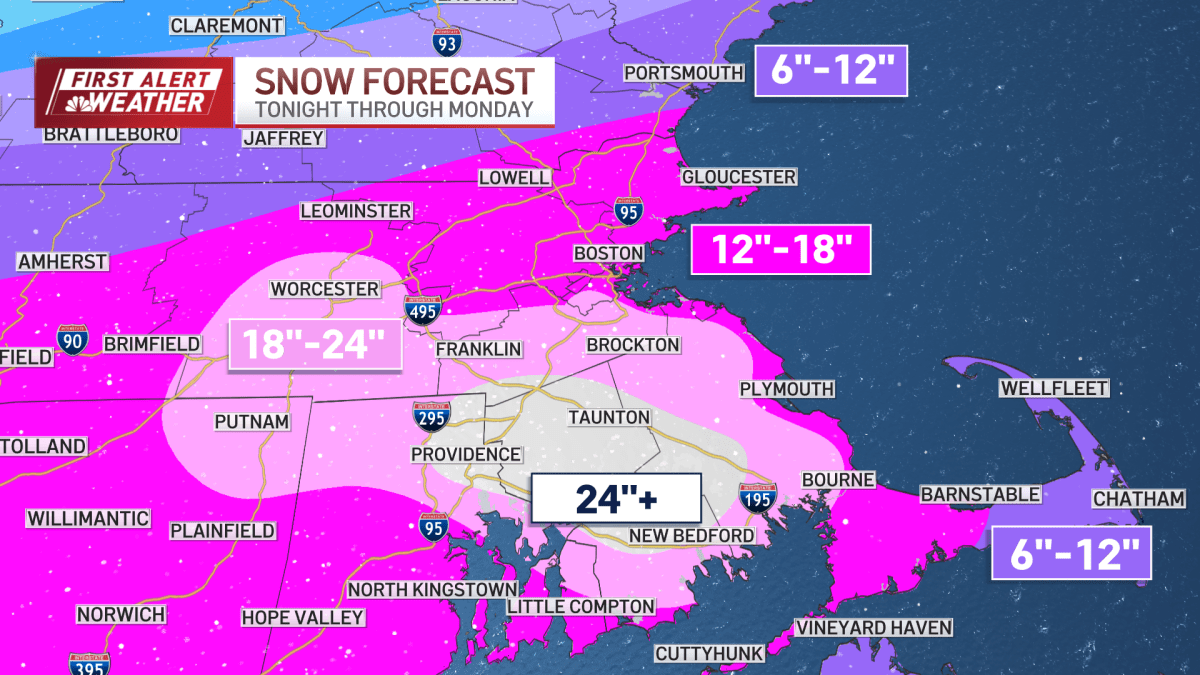
The decision by Boston University to suspend operations for a second consecutive day following a historic blizzard illustrates the profound interdependency of private institutions and public infrastructure in dense urban environments. The university’s leadership cited external factors as the primary cause for the extended closure, including widespread service changes to the MBTA and Commuter Rail, the unavailability of internal shuttle buses, and state-issued travel bans. This strategic calculus underscores that institutional operational continuity in a dense urban environment is not determined solely by on-campus conditions but is inextricably linked to the resilience of external public services and policy decisions.
The prioritization of community safety over academic continuity for a second day represents a shift in risk management protocols. While initial closures for severe weather are standard, extending the closure indicates that the initial assessment of recovery timelines was insufficient, or that external conditions deteriorated beyond expectations. The decision to resume normal operations on Wednesday reflects a calculated risk assessment based on projected improvements in public transit and road conditions, balancing safety concerns with the financial and academic pressures of prolonged closure.
Critical Infrastructure Vulnerabilities and Climate Adaptation Imperatives
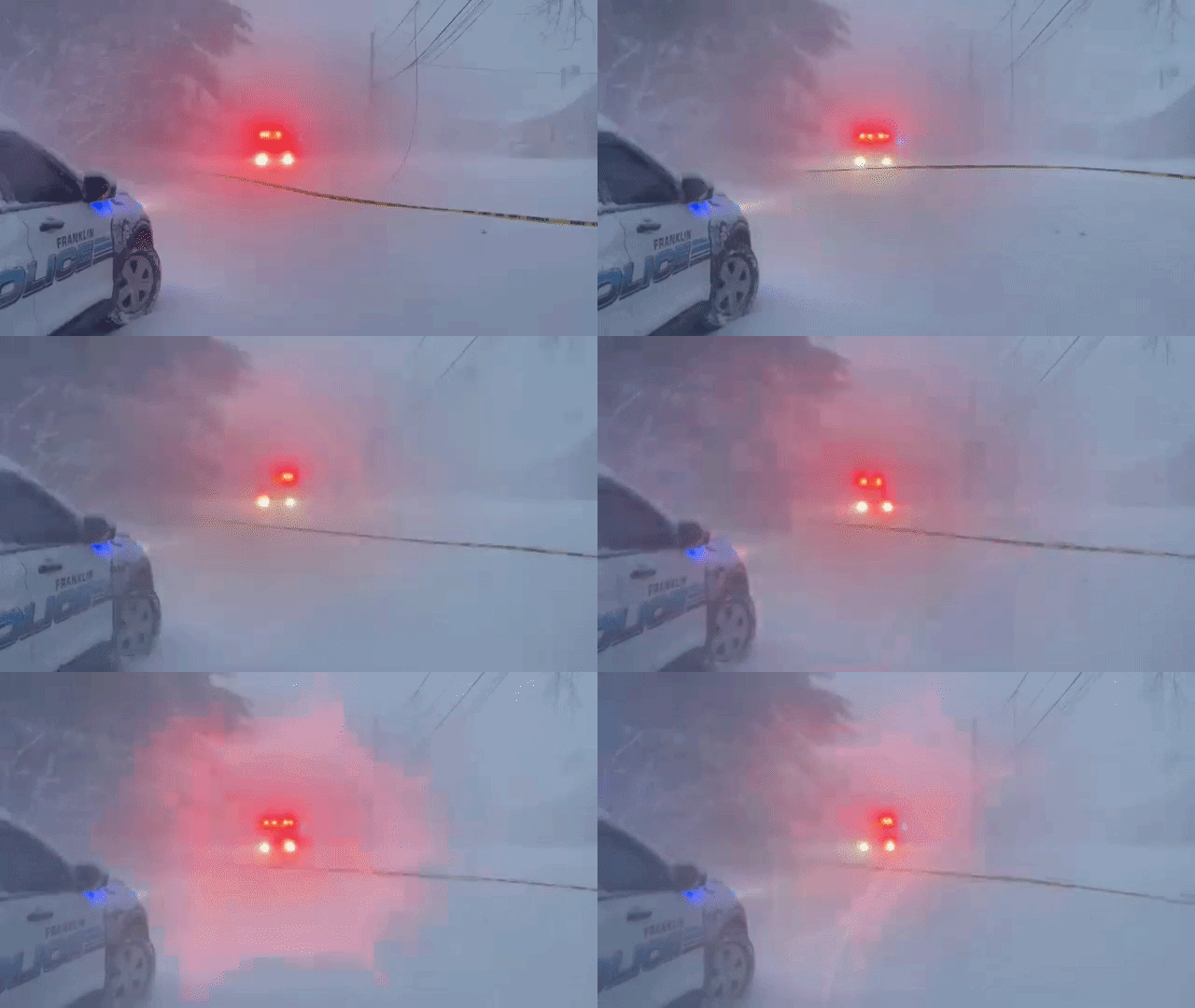
The blizzard exposed significant vulnerabilities within the region’s critical infrastructure. Widespread power outages, impacting hundreds of thousands and visually evidenced by downed power lines, highlighted systemic failure points in the electrical grid’s resilience against heavy snow and high winds. The inability of utility crews to respond immediately due to safety concerns during peak storm conditions further illustrates the operational limitations inherent in emergency response during extreme weather events.
The fragility of urban mobility systems was demonstrated by the MBTA and Commuter Rail service disruptions. As vital infrastructure for a large commuter population, these above-ground systems are highly susceptible to snow accumulation and high winds. The cascading effect of public transit failure on institutional operations necessitates integrated planning between private institutions and public service providers to ensure operational continuity for essential services and large workforces. Furthermore, the source material noted coastal flooding concerns, specifically mentioning that favorable timing of high tide mitigated the worst potential impact. This highlights the role of environmental factors in risk assessment and emphasizes the need for long-term proactive measures to address increasing risks associated with rising sea levels and storm intensity.
Policy Response, Economic Impact, and Long-Term Resilience Planning
The state-issued travel bans by Governor Maura Healey represent a critical intervention in public safety and risk management. Such measures, while necessary to prevent accidents and facilitate emergency response, impose significant economic costs by halting commercial activity and labor mobility. The decision reflects a strategic calculation to prioritize public safety and infrastructure recovery over immediate economic activity, acknowledging potential greater long-term costs associated with uncontrolled travel during hazardous conditions.
For businesses and institutions, the travel ban and associated infrastructure failures create significant financial exposure through lost productivity and disrupted supply chains. The long-term implications force organizations to re-evaluate remote work capabilities and business continuity plans in light of increasingly frequent severe weather events. For utilities and public transit authorities, the widespread outages and service disruptions necessitate a review of capital investment strategies. Hardening infrastructure against extreme weather—such as burying power lines or investing in more resilient transit systems—becomes a strategic imperative to mitigate future operational and financial losses. The frequency of “historic” weather events demands a shift from reactive emergency response to proactive infrastructure investment to ensure long-term economic stability and public safety.
Effective crisis communication also proved essential during the event. The Franklin Fire Department’s targeted warning to stay off roads and away from downed wires provides a clear example of targeted risk communication. Similarly, continuous updates from news outlets served to disseminate critical information regarding travel conditions, power outages, and recovery timelines, enabling individuals and institutions to make informed decisions and reinforcing safety protocols during the event’s peak intensity.