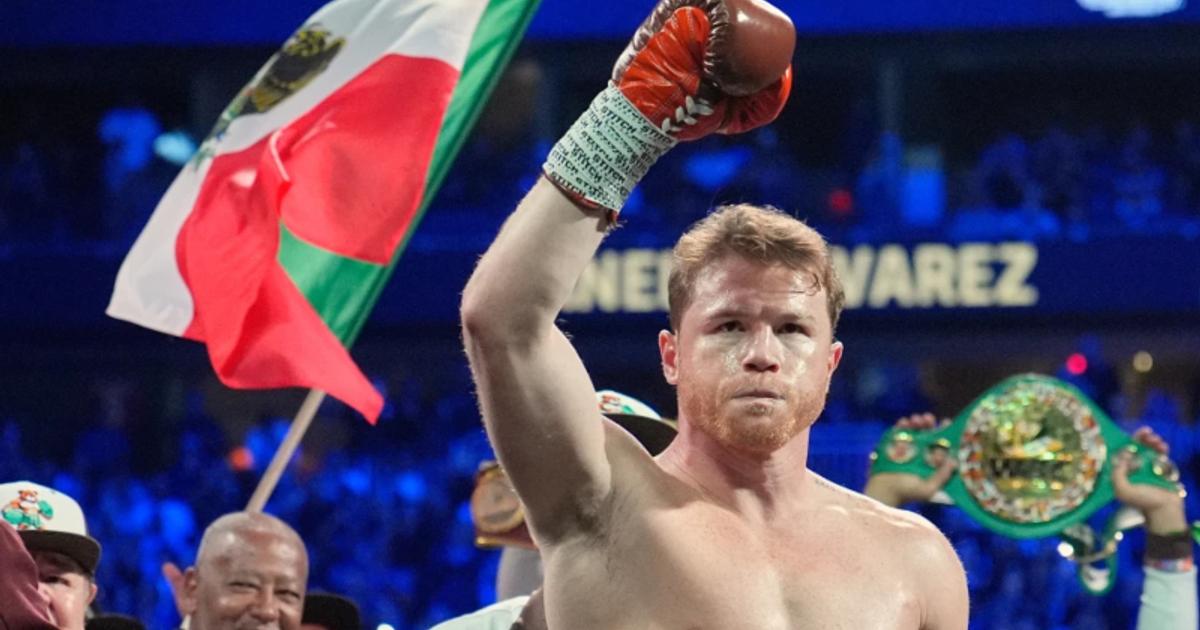
The $200 million overture from Jake Paul to Saúl ‘Canelo’ Álvarez is more than a promotional headline; it serves as a litmus test for the valuation of elite combat sports assets in a bifurcated market. While the figure is unprecedented for influencer-led ventures, a granular audit of Álvarez’s current capital structure reveals why the proposal remains strategically redundant. Operating under a $400 million framework orchestrated by Turki Al-Sheikh, Álvarez has secured an institutional floor of $80 million per appearance, effectively neutralizing the liquidity premium typically used by non-traditional promoters to lure top-tier talent.
The Financial Architecture of Sovereign Backing
The contract with the Saudi General Entertainment Authority represents a fundamental shift in the boxing ecosystem’s center of gravity. By moving away from the volatility of traditional domestic pay-per-view (PPV) models, Álvarez has achieved fiscal autonomy. This $400 million commitment functions as a de-risking mechanism, ensuring top-tier compensation through sovereign wealth rather than speculative ticket sales. For any external offer to be viable, it must provide a significant financial delta above this $80 million baseline—a threshold the Paul offer merely matches without offering equivalent institutional stability.
Operational Priorities: The Mbilli Matchup
The decision to pursue undefeated contender Christian Mbilli over a high-visibility, low-credibility exhibition underscores the camp’s commitment to ‘reputational capital.’ Defending the WBC super middleweight title in Saudi Arabia reinforces Álvarez’s standing within sanctioning bodies, maintaining the ‘undisputed’ status that drives his premium brand value. This tactical deployment of the third fight in the Al-Sheikh contract will bring his cumulative earnings under the deal to approximately $240 million, demonstrating a disciplined adherence to a pre-defined financial roadmap that values professional longevity over short-term spectacle.
Market Positioning and Strategic Silence
Álvarez’s dismissive response—a three-emoji sequence—is a calculated exercise in power dynamics. By refusing formal engagement, he signals that Paul’s capital, while substantial, lacks the ‘institutional legitimacy’ required to negotiate at the sport’s highest echelon. This strategic silence prevents brand dilution and protects the scarcity value of his professional appearances. In the current landscape, the ability to bypass a $200 million payout is the ultimate display of financial security, communicating to the market that Álvarez is a global sports mogul whose services are reserved for partners who meet specific criteria for legacy and sovereign-backed value.
Conclusion: The Insulation of Elite Sport
Ultimately, the failure of the Paul offer to gain traction suggests a ceiling for influencer-driven disruption when faced with established professional legacies and sovereign-backed ‘super-contracts.’ As Álvarez approaches the latter half of his five-fight agreement, his trajectory remains fixed on a path that prioritizes professional excellence and long-term fiscal stability. The $200 million offer will likely be remembered not as a missed opportunity, but as a footnote in an era defined by the massive institutionalization of boxing’s revenue streams.