
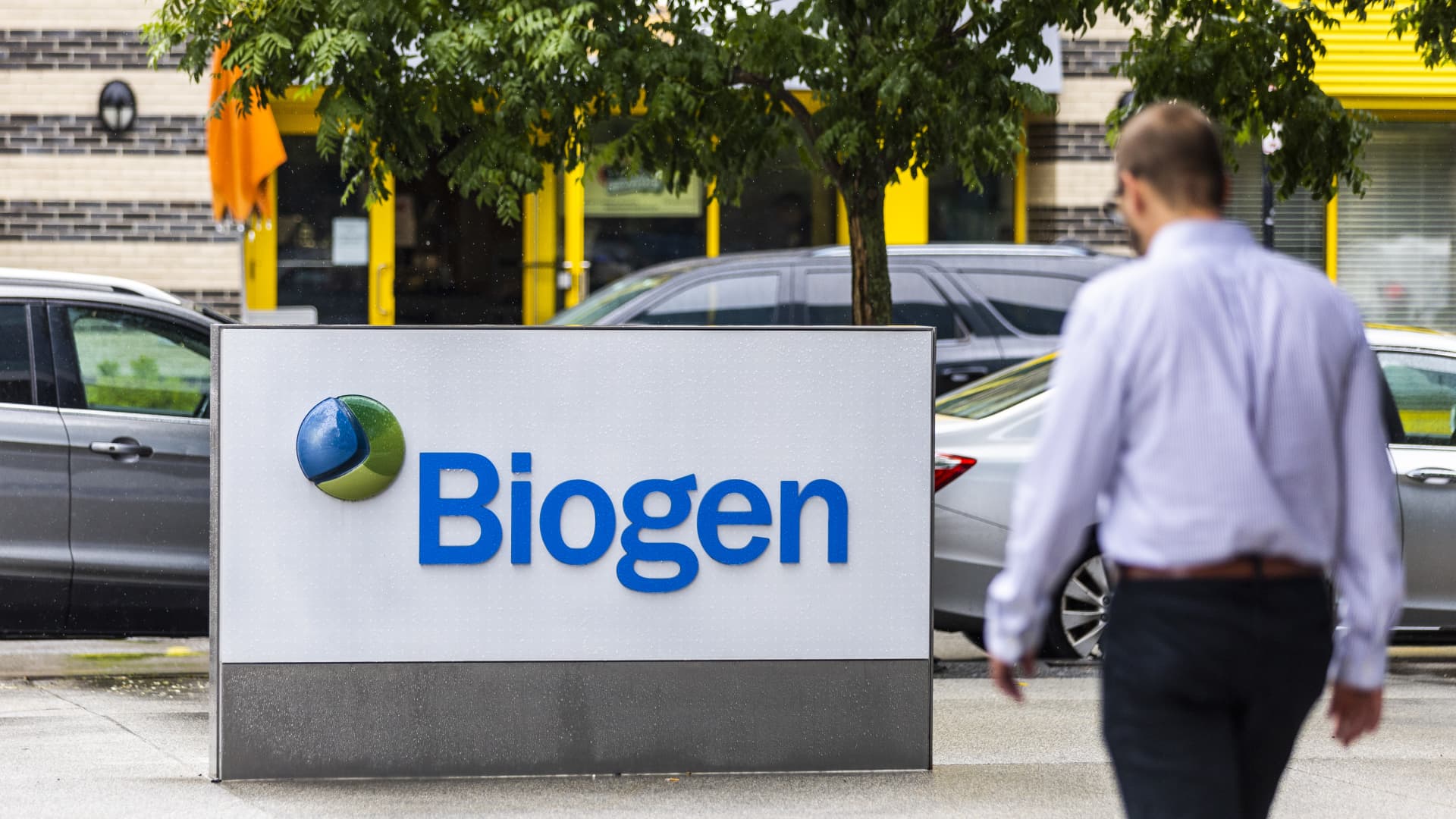
Biogen Acquires Apellis Pharmaceuticals in $5.6 Billion Deal: A High-Premium Strategic Pivot
Biogen has finalized an agreement to acquire Apellis Pharmaceuticals for approximately $5.6 billion in cash, a deal that includes a significant 140% premium over Apellis’ last closing price. This acquisition represents a strategic shift for Biogen, transitioning beyond its traditional focus on neurology to secure a dominant position in the high-growth market of rare disease ophthalmology.
The transaction structure includes a substantial upfront payment of $41 per share in cash for Apellis shareholders. This high valuation reflects Biogen’s aggressive posture in securing access to specific therapeutic areas and high-growth assets. Critically, Biogen’s recent performance has been characterized by challenges in maximizing the commercial potential of certain high-profile assets, creating pressure to diversify its revenue streams and secure new growth drivers. The acquisition addresses this need by providing immediate access to a key asset with significant market potential.
Syfovre and Geographical Atrophy: The Strategic Rationale
By acquiring Apellis, Biogen gains immediate access to Syfovre (pegcetacoplan), a C3 complement inhibitor recently approved for geographical atrophy (GA), a severe form of age-related macular degeneration. GA represents a significant unmet medical need with a large patient population, offering substantial pricing power and long-term market exclusivity. Biogen’s high premium signals strong confidence in Syfovre’s commercial potential to capture a leading share of this emerging market. This move allows Biogen to bypass lengthy internal research and development cycles, accelerating its entry into a high-growth segment.
The acquisition strategically repositions Biogen in a new, less competitive therapeutic area compared to its established neurology portfolio. Syfovre’s projected revenue streams are essential for Biogen’s long-term revenue stability, mitigating risks associated with pipeline volatility in other areas of its business. The high upfront valuation suggests Biogen believes Syfovre’s market dominance will quickly justify the investment through projected future cash flows and anticipated synergies from leveraging Biogen’s existing global commercial infrastructure and regulatory expertise.
Financial Structure: CVRs as a Risk Mitigation Mechanism
The deal incorporates contingent value rights (CVRs), with shareholders eligible for additional payments of $2 per share each, tied to specific global sales milestones for Syfovre. This financial structure serves as a sophisticated risk-sharing mechanism. By offering CVRs, Biogen mitigates some financial risk associated with the high upfront premium. The structure allows Biogen to pay a higher price only if the acquired asset performs as expected commercially, aligning a portion of the payment with future commercial success.
This CVR approach is common in pharmaceutical M&A, particularly when valuing late-stage assets with uncertain commercial trajectories. It bridges the valuation gap between the buyer’s conservative estimate of future performance and the seller’s optimistic projection, ensuring Apellis shareholders are incentivized to support the transition while providing Biogen with a mechanism to link capital deployment directly to commercial results.
Market Dynamics and Competitive Implications
The acquisition places Biogen in direct competition with established players in the ophthalmology market. The rare disease market is characterized by high barriers to entry and specialized distribution channels, making acquisitions of existing assets highly strategic. Biogen’s entry with Syfovre intensifies competition for market share in the GA space, potentially accelerating innovation and influencing pricing dynamics in this therapeutic area.
The high premium paid by Biogen sets a new benchmark for valuations in the rare disease sector, potentially increasing the cost of future acquisitions for other firms seeking to enter or expand within this market segment. This transaction highlights a broader trend of consolidation in the pharmaceutical industry, where larger companies seek to acquire high-growth assets from smaller biotechs to replenish pipelines and secure future revenue streams, rather than relying solely on internal development.
Operational Integration and Synergies
Integrating Apellis’ operations into Biogen’s structure presents both challenges and opportunities. Biogen must leverage its existing commercial infrastructure, global reach, and regulatory experience to maximize Syfovre’s potential. The integration process requires harmonizing research and development efforts, optimizing supply chains, and integrating specialized distribution channels required for the ophthalmology market.
The success of the deal hinges on Biogen’s ability to execute this integration effectively and realize the projected synergies. Biogen’s established expertise in rare disease commercialization and patient support programs will be critical to maximizing Syfovre’s market penetration. The operational challenge lies in ensuring a seamless transition while maintaining focus on existing pipeline development and commercialization efforts, particularly in a new therapeutic area where Biogen lacks prior experience.
Stakeholder Implications and Future Outlook
For Apellis shareholders, the acquisition provides significant immediate financial gains and potential future upside through the CVRs. The 140% premium reflects a high return on investment, validating the company’s development efforts and market positioning. For Biogen shareholders, the acquisition represents a significant capital outlay and a strategic bet on Syfovre’s future success. The market’s reaction to Biogen’s stock will reflect investor confidence in this strategic move, assessing whether the high premium paid justifies the potential long-term revenue streams and diversification benefits.
The transaction signals Biogen’s renewed commitment to growth through acquisition, prioritizing external assets over internal development or other capital deployment strategies. This move influences Biogen’s financial leverage and future capital allocation strategy, potentially impacting its credit rating and investment decisions in the coming years as it pivots towards rare disease ophthalmology.