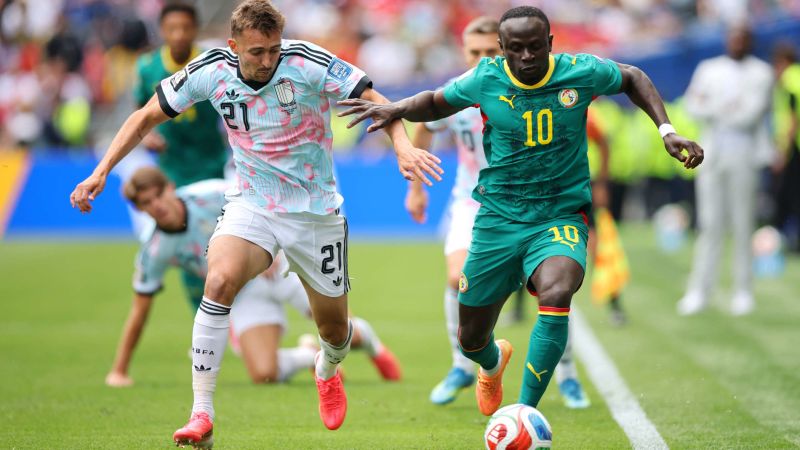
Belgium Navigates Critical Knockout Stage Against Senegal
The Belgian national team, known as the ‘Red Devils,’ faces a pivotal Round of 16 World Cup fixture against Senegal. This match is a significant hurdle, as European teams have historically encountered challenges against African counterparts in high-pressure knockout scenarios. A loss would prematurely end Belgium’s campaign and potentially signal the conclusion of a ‘golden generation’s’ World Cup aspirations, underscoring the substantial strategic implications.
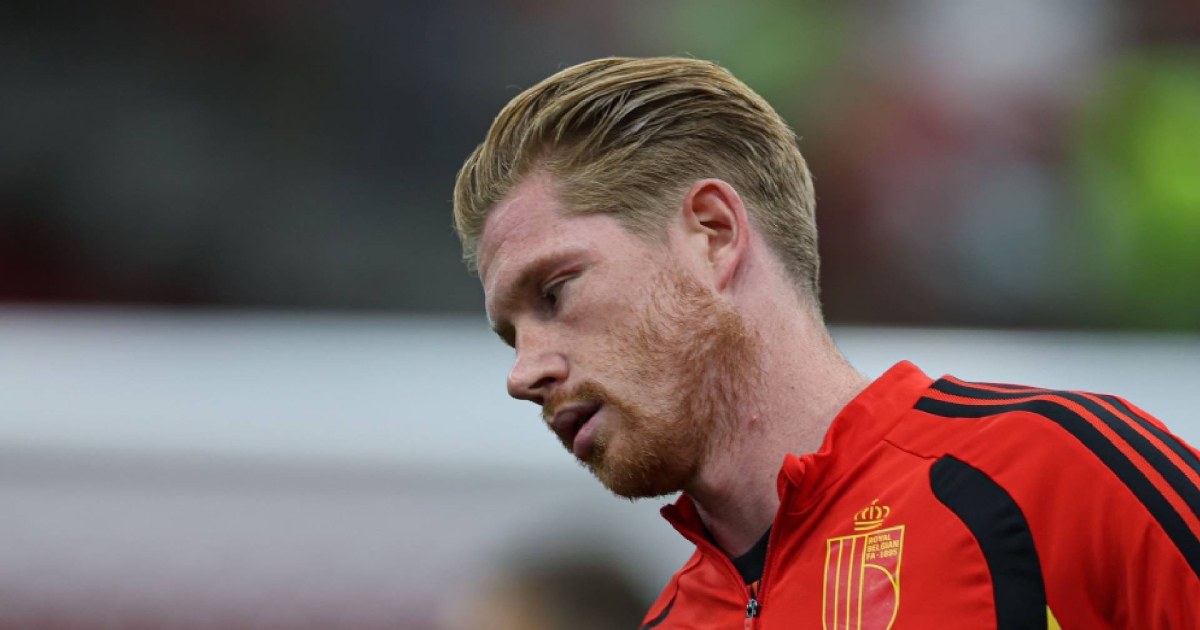
Kevin De Bruyne and his teammates will compete at the Estadio de Seattle, a venue hosting this critical juncture. Senegal, a dominant force in African continental football, arrives with ambitions of making a significant global impact. Tactical approaches will be paramount, with coaches emphasizing efficiency and capitalizing on decisive moments in both offensive and defensive phases.
Strategic Adjustments and Tactical Outlook
Belgium’s starting lineup mirrors the formation from their decisive 5-1 group stage victory against New Zealand, reflecting a strategic commitment to established team chemistry and momentum. The team’s 16-match undefeated streak provides a psychological advantage and reinforces confidence in their current performance trajectory.
Senegal, conversely, has implemented strategic modifications: Pathé Ciss replaces Seck in defense, Pape Gueye starts over Camara in midfield, and Iliman Ndiaye is introduced for Mbaye in attack. These personnel changes suggest a deliberate effort to adapt to Belgium’s strengths, exploit perceived weaknesses, and disrupt the European side’s rhythm. Senegal’s recent 5-0 triumph over Iraq highlights their offensive potency.
Coaching Perspectives and Performance Metrics
Belgian manager Rudi García acknowledges the heightened difficulty of contemporary World Cup matches, stating, “there is no longer an easy game.” His focus is squarely on Senegal, with meticulous analysis of their strengths and vulnerabilities, aiming to neutralize key assets and exploit defensive frailties.
García’s emphasis on the team’s unbeaten run and group stage topping reflects a pragmatic assessment. While desiring more wins, he highlights the importance of composure and execution in elimination rounds. The team’s ability to adapt under intense knockout pressure will be a key determinant of success.
Performance Leverage and Competitive Dynamics
Coaching staff decisions will directly influence competitive dynamics. Belgium’s reliance on its established core, including playmakers like De Bruyne, suggests a strategy centered on control and exploiting individual brilliance. Senegal’s adjustments signal an intent to introduce fresh energy and tactical unpredictability, potentially disrupting Belgium’s well-rehearsed patterns.
The historical context of European versus African teams in knockout stages adds strategic depth. While past results don’t dictate future outcomes, they inform tactical approaches and psychological preparation. Both teams are aware of the stakes; performance under pressure, key moment management, and precise execution will decide advancement.
Media Narrative and Stakeholder Expectations
Media narratives are likely to amplify pressure on Belgium, particularly concerning the ‘golden generation’s’ quest for a major trophy. Reports on their unbeaten streak and group success build anticipation and raise expectations for a deep tournament run, with recurring focus on individual player influences like De Bruyne.
For Senegal, the narrative will likely center on their potential to upset established European powers and ascend the global footballing stage. Continental success provides a strong foundation, framing any positive result against Belgium as a significant achievement. These contrasting narratives underscore diverse stakeholder interests, from national pride and fan expectations to commercial implications.
Capital Movement and Future Implications
This match’s outcome carries financial implications for both federations and the broader football ecosystem. Progression translates to increased prize money, broadcast revenue, and commercial appeal. For Belgium, a strong showing can solidify their brand and attract investment; for Senegal, a successful campaign could unlock new sponsorship opportunities and elevate their global standing.
Performance leverage gained from advancing in a high-profile tournament can significantly impact future capital allocation towards player development and infrastructure. Conversely, an early exit may prompt reassessment of strategic investments. The competitive landscape is intrinsically linked to financial incentives and long-term planning.
Operational Execution and Performance Leverage
Operational execution on the pitch will be the ultimate determinant. Belgium’s ability to maintain possession, create scoring opportunities, and defend resolutely will be tested against Senegal’s dynamic approach. Tactical plan effectiveness, including set-piece execution and defensive organization, will be critical in managing Senegal’s attacking threats.
Senegal’s operational success hinges on disrupting Belgium’s rhythm, capitalizing on transitional moments, and maintaining defensive discipline. Integrating new personnel requires seamless coordination and role understanding. Senegal’s performance leverage lies in executing their game plan with intensity and precision to maximize upset chances.
Institutional Strategy and Long-Term Vision
Beyond the immediate match, this fixture reflects broader institutional strategies. Belgium’s investment in a talented generation signifies a long-term vision for peak international performance, with tournament outcomes influencing future talent development pathways.
Senegal’s emergence as a continental power and global tournament performance reflect a strategic commitment to elevating their footballing profile. This includes developing robust domestic leagues and youth academies. Strong World Cup performances can catalyze growth and investment, shaping the future of football nationally and within the African confederation.
Downstream Consequences and Ecosystem Impact
Downstream consequences extend beyond immediate tournament progression. For the winning nation, a deep run can inspire new footballers, boost national morale, and generate economic activity. Positive exposure can also attract international investment in sports infrastructure and development.
Conversely, an early exit may lead to introspection and strategic recalibration. This might involve coaching changes or a reevaluation of player development models. The dynamic competitive landscape means high-stakes match outcomes have ripple effects across the footballing ecosystem, influencing market trends, sponsorship deals, and media coverage.
Market Positioning and Competitive Advantage
National team performance in major tournaments directly impacts market positioning and global competitive advantage. Belgium, with its established reputation, seeks to maintain its status as a leading nation, attracting lucrative sponsorship deals and increasing player commercial value.
Senegal views the World Cup as a platform to assert its growing influence and challenge established hierarchies. A successful campaign can significantly elevate their marketability, attracting new commercial partners and increasing appeal to international clubs. Tournament performance is a key driver of financial growth and strategic development within national footballing structures.
Stakeholder Implications and Performance Leverage
Stakeholder implications are profound. For players, strong performance can lead to lucrative contracts and increased personal brand value. For coaches and federations, success means job security, enhanced reputation, and greater resource access. Fans experience immense emotional investment, with outcomes impacting national pride and collective identity.
The performance leverage gained from winning or advancing in a World Cup knockout match is substantial. It validates strategic decisions, justifies investment, and provides a platform for future growth. The pressure to deliver is immense, as failure can significantly impact immediate results and long-term strategic trajectories.