Historic Courthouse Fire Analysis: Renovation Risk, Public Asset Vulnerability, and Governance Implications
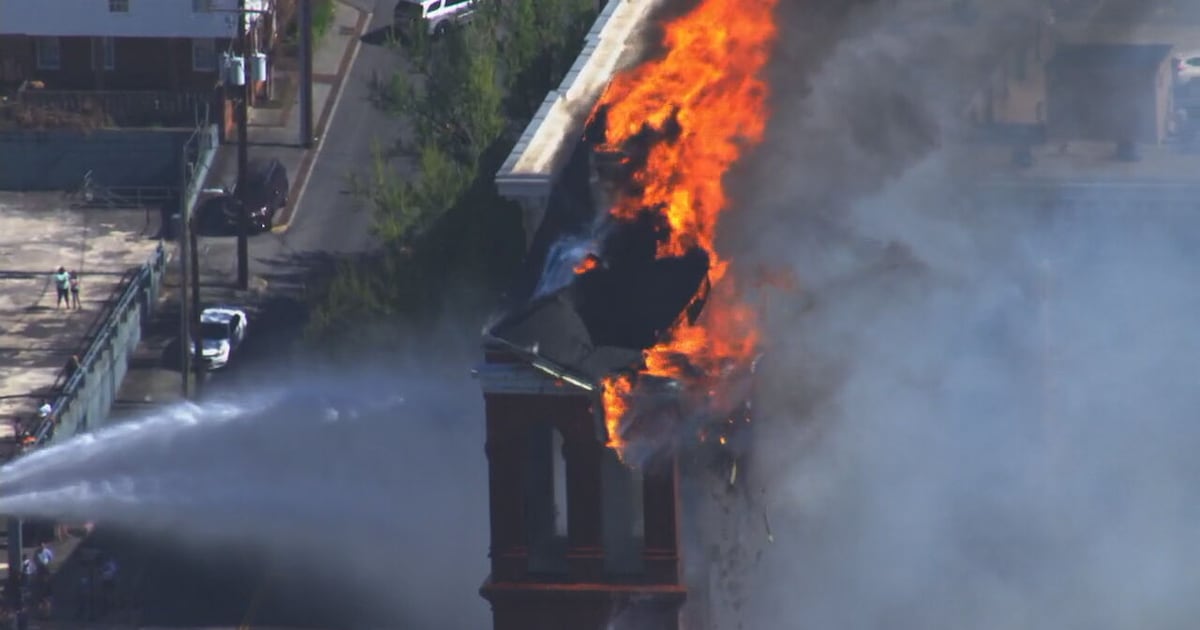
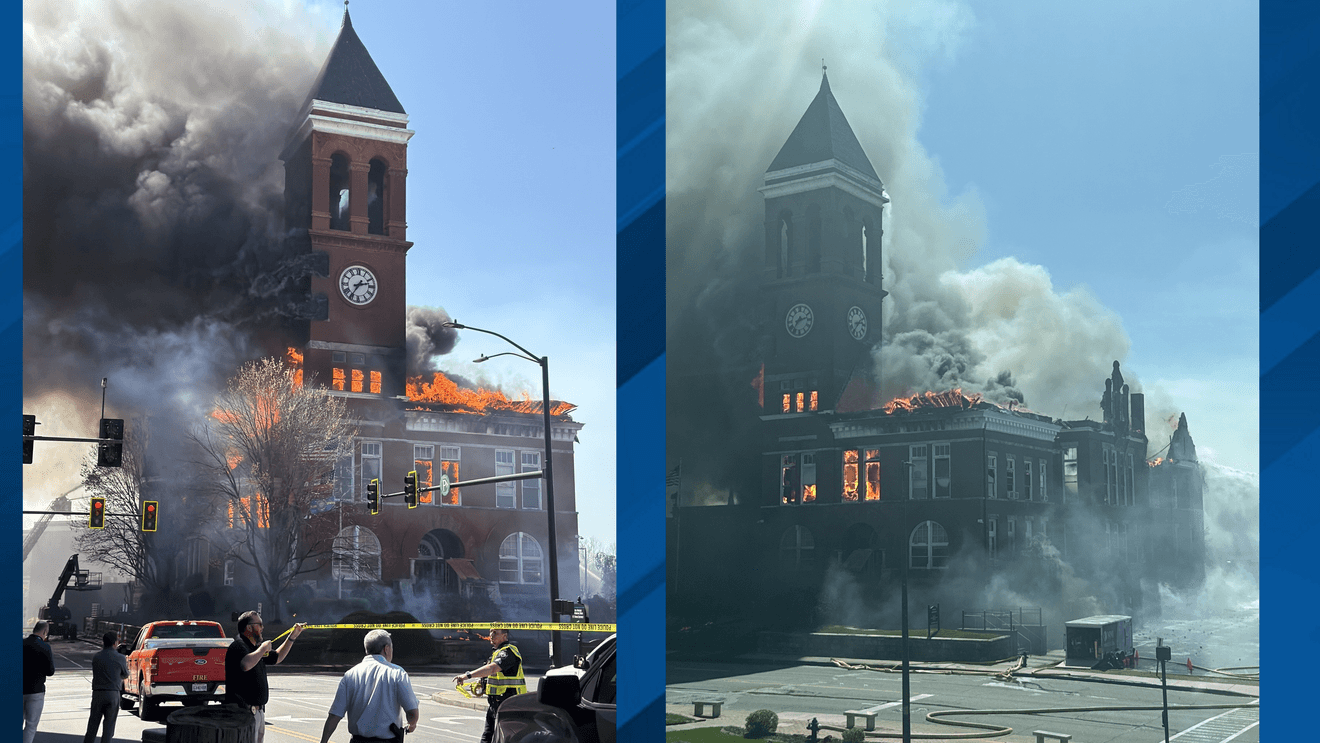
A significant fire at the historic Floyd County Courthouse in Rome, Georgia, has exposed critical vulnerabilities inherent in public infrastructure renovation projects, particularly those involving structures of historical significance. The incident, which occurred on Monday afternoon, resulted in extensive damage to the 19th-century building, including the collapse of its bell tower. The fire raises immediate questions regarding operational risk management, long-term financial exposure for local government, and the challenges of balancing historical preservation with modern development.
The fire’s timing is critical, occurring while the courthouse was undergoing a substantial $4 million renovation. Initial reports indicate workers were engaged in welding activities on the roof shortly before the blaze erupted. This detail immediately shifts the focus from structural failure to potential project oversight and safety protocol failures. The incident places a public asset management challenge within the context of construction liability and government financial planning.
Operational Risk and Construction Oversight Failures in Historical Projects
The specific mention of welding activities prior to the fire points directly to the high-risk nature of “hot work” operations in historic buildings. Hot work, which includes welding, cutting, and grinding, generates intense heat and sparks capable of igniting combustible materials. In structures built in the late 19th century, such as the Floyd County Courthouse (constructed in 1892), these risks are significantly amplified. Historic buildings often contain aged wood framing, dry materials, and concealed spaces that facilitate rapid fire spread and create hidden fuel sources.
Standard industry protocols for hot work on historic properties require stringent fire watch procedures. These protocols dictate that dedicated personnel must monitor the work area for several hours after work concludes to ensure no embers ignite combustible materials in concealed spaces. The fact that the fire broke out during or immediately following these activities suggests a breakdown in these critical safety measures. This raises significant concerns regarding the contractor’s adherence to safety standards and the county’s oversight mechanisms for a high-value public project.
The fire highlights the unique challenges of public asset management when dealing with historically significant structures. The courthouse housed the Floyd County Tax Commissioner’s office, a vital function for local governance and revenue collection. The destruction of the facility necessitates rapid implementation of business continuity plans to ensure essential services, such as vehicle registration and property tax payments, remain accessible to the public. The disruption of these services creates a cascading effect on local commerce and citizen access to government functions.
Financial Exposure and Capital Management Implications
The financial consequences of the fire extend far beyond the initial renovation budget, which now represents a sunk cost. The county government now faces a complex insurance claim process, where the valuation of a historic asset presents unique challenges. Unlike standard commercial properties, the replacement cost of a historic building often includes the expense of replicating specific architectural details and using specialized materials, significantly increasing the cost beyond standard construction estimates. The insurance payout process for historic assets must account for the irreplaceable cultural value of the structure, not merely its depreciated structural value.
Public sector risk management often relies on insurance pooling mechanisms or self-insurance funds to manage large capital losses. The magnitude of the damage to the courthouse will severely test the financial resilience of these mechanisms. The county must now decide whether to pursue a full restoration, which can be significantly more expensive than new construction, or to replace the structure with a modern facility that may not preserve the historical character of the site. This decision will be heavily influenced by insurance payouts, available public funds, and potential historical preservation grants.
Furthermore, the incident raises questions about contractor liability and potential litigation. If negligence or a failure to follow safety protocols is established as the cause of the fire, the county may seek damages from the renovation contractor. However, legal proceedings can be protracted, delaying the recovery process and creating uncertainty regarding the ultimate financial burden on taxpayers. The incident serves as a stark reminder of the financial risks associated with complex public-private partnerships in infrastructure development.
Institutional Consequences and Stakeholder Strategy
The destruction of the courthouse, a landmark dating back to 1892, represents a significant loss of cultural capital for the community of Rome and Floyd County. Historic courthouses often serve as symbols of civic identity and continuity, anchoring downtown areas and providing a tangible link to local history. The collapse of the bell tower, a prominent architectural feature, symbolizes the loss of this historical anchor and creates a void in the city’s skyline.
Stakeholder implications are broad, affecting not only county government and taxpayers but also historical preservation societies and local businesses. The decision-making process for rebuilding will likely involve intense public debate regarding the balance between historical accuracy and cost-effectiveness. Historical preservation advocates will likely push for a restoration that maintains the building’s original character, while financial pragmatists may argue for a more efficient, modern replacement. This conflict necessitates a re-evaluation of public facility strategy, considering whether to consolidate modern services in new locations or to heavily invest in restoring a structure that may not fully meet contemporary operational requirements.
The incident serves as a case study in the complexities of managing historical public assets in a contemporary context. The integration of modern services within aging infrastructure creates unique operational challenges, and the renovation process itself introduces new risks that must be carefully managed. The financial and cultural consequences of the fire will shape local governance decisions for years to come, influencing future capital planning and risk management protocols for similar projects across the region.