The functional beverage sector operates on cyclical inventory schedules where consumer demand dictates rapid production shifts. Seasonal drops create market concentration, forcing brands to balance legacy favorites with novel product introductions. Brand architecture depends heavily on managing scarcity to maintain consumer engagement without alienating core demographics.
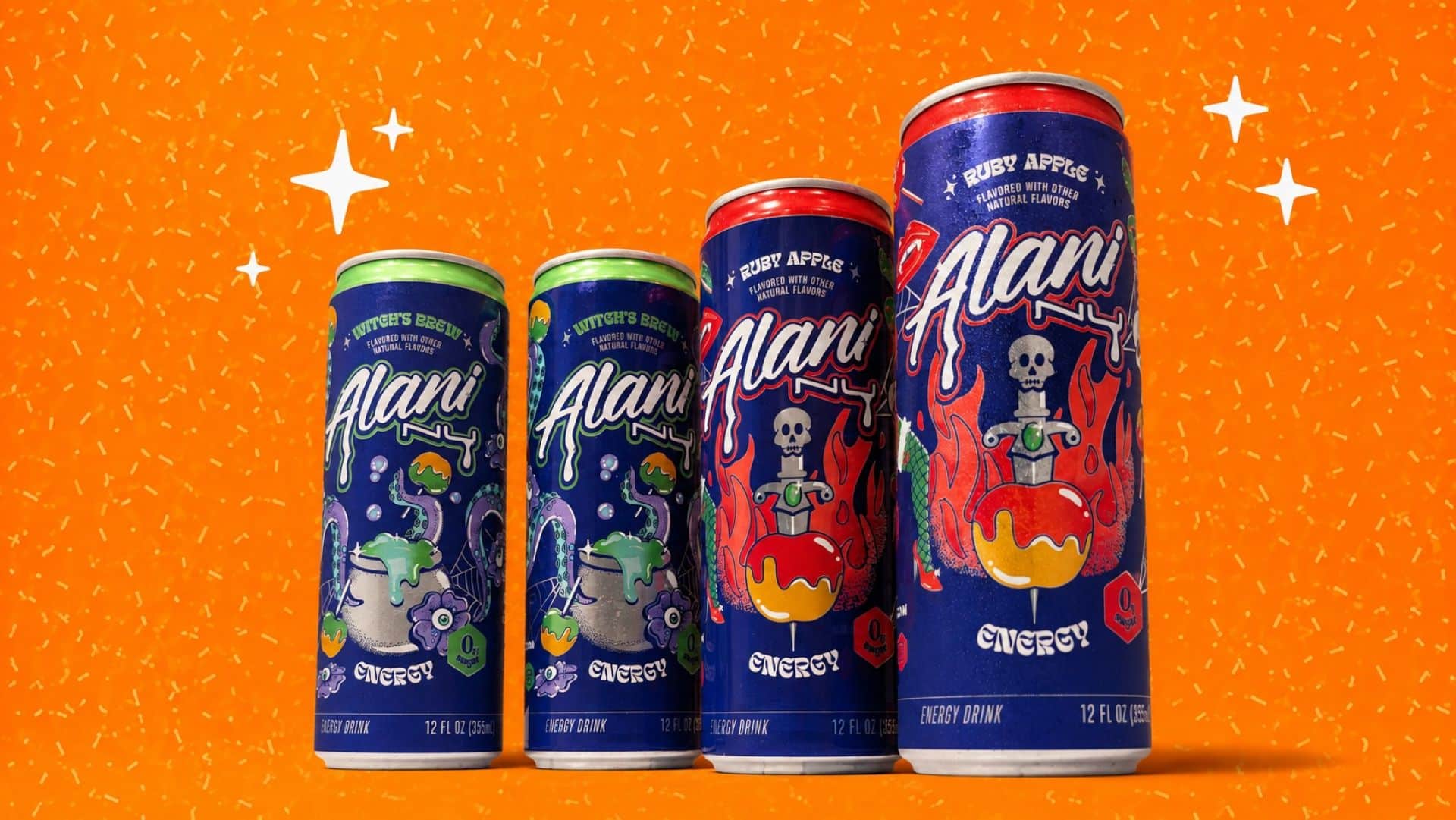
Alani Nu navigates these dynamics by managing the lifecycle of formulations like Witch’s Brew. The caramel apple-inspired flavor established a dedicated following through consistent annual deployments, creating predictable purchase patterns. However, relying solely on legacy rotation exposes brands to stagnation risks, necessitating strategic portfolio diversification during key retail windows.
Strategic Portfolio Diversification and Retail Exclusivity
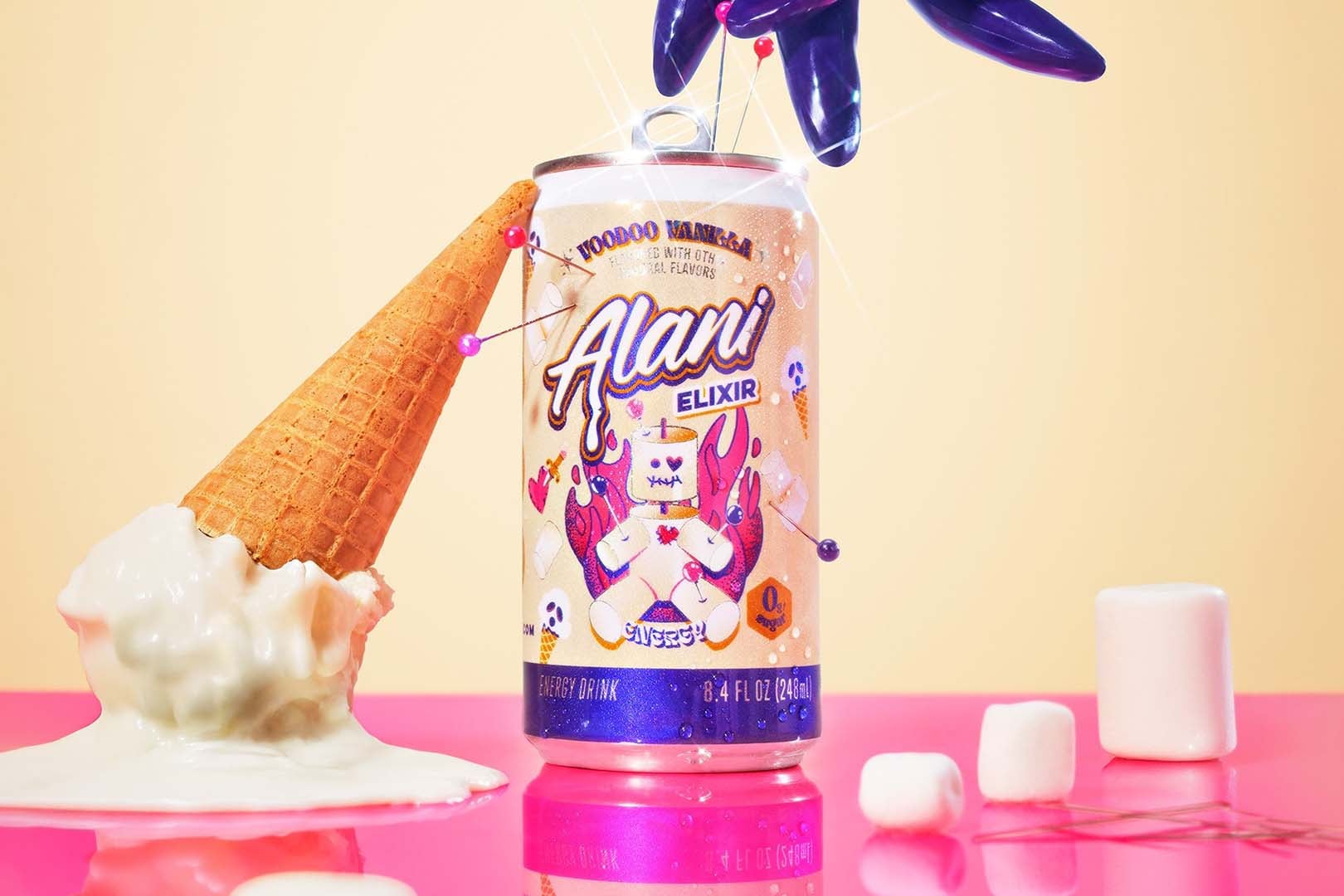
The introduction of Voodoo Vanilla as a companion release demonstrates a calculated shift toward targeted product differentiation. Utilizing an 8.4-ounce format with a reduced caffeine profile of 100 milligrams and five calories, the brand addresses distinct consumption occasions, moving away from bright fruit profiles toward a smoother dessert-inspired flavor.
Channel exclusivity drives traffic to specific retail partners within the specialty supplement ecosystem. Restricting Voodoo Vanilla availability to single cans and 12-packs at The Vitamin Shoppe establishes a controlled distribution environment, allowing the brand to capture specialized segments while testing new flavor architectures without broad-market exposure risks.
Operational Pressures of Limited-Edition Deployments
Managing limited-edition inventories requires precise supply chain coordination to prevent premature stockouts and excess holding costs. Historical performance data from prior fall drops, including the Pumpkin Cream flavor, informs current inventory allocation strategies. Brands must evaluate consumer feedback to calibrate production volumes for returning items against unproven new introductions.
The recurrence of high-demand seasonal items highlights operational leverage. When consumer behavior trends toward hoarding scarce inventory, brand equity increases through perceived urgency. Manufacturers utilize these seasonal windows to reset baseline engagement metrics across digital and physical retail touchpoints.
Balancing returning favorites and novel formulations dictates resilience against shifting market preferences. As functional beverage competitors vie for limited shelf space, strategic deployment of differentiated package sizes and target flavor profiles remains essential for long-term customer retention and channel partnership stability.