Montana Rocked by 4.2 Magnitude Earthquake
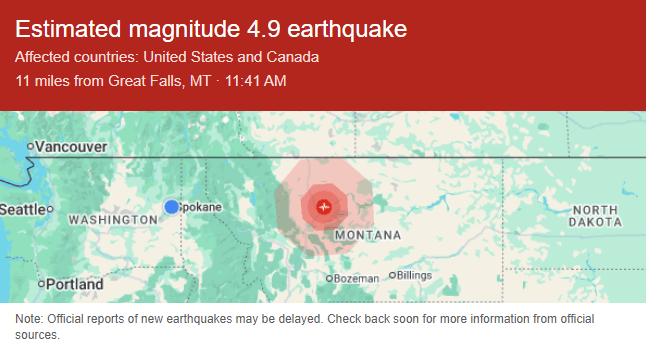
Parts of Montana were shaken by an earthquake on Thursday, January 29, 2026. Initial reports on social media suggested a stronger quake, but official sources later confirmed a magnitude of 4.2.
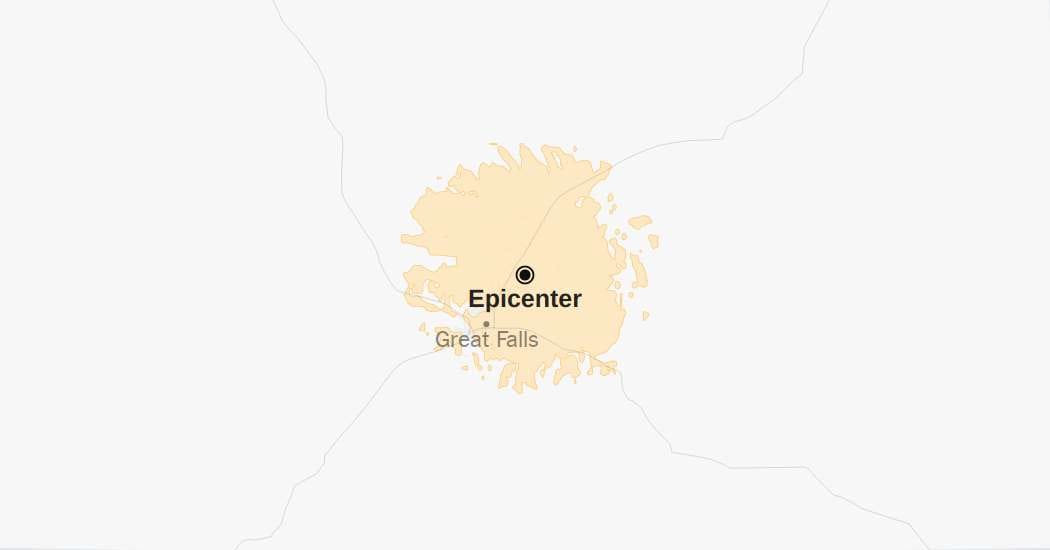
The United States Geological Survey (USGS) reported the tremor occurred at 12:41 p.m. local time. The epicenter was located approximately 12 kilometers north-northeast of Malmstrom Airforce Base, near Great Falls.
Understanding the Tremor
While social media initially buzzed with reports of a 5.1 magnitude event, the USGS provided the definitive measurement. This highlights the critical role of official scientific bodies in providing accurate and timely information during natural events.
The 4.2 magnitude is considered a light earthquake. Such events are common globally and typically cause little to no damage. However, depending on proximity to the epicenter and local geological conditions, even minor tremors can be felt by residents.
Why This Matters: Seismic Activity in the Region
Montana is situated in a seismically active region. While not as prone to major earthquakes as states along the Pacific Ring of Fire, the Intermountain Seismic Belt runs through Montana, increasing the likelihood of seismic events.
Understanding the frequency and magnitude of earthquakes in areas like Montana is crucial for several reasons. It informs building codes, emergency preparedness strategies, and public awareness campaigns. Even minor quakes serve as reminders of the Earth’s dynamic nature.
The location near Malmstrom Airforce Base is also noteworthy. While the 4.2 magnitude quake is unlikely to have caused any disruption to military operations, it underscores the need for robust infrastructure that can withstand seismic activity in all critical areas.
Broader Trends in Seismic Monitoring
The rapid confirmation from the USGS, contrasted with initial social media speculation, showcases the advancements in seismic monitoring and communication. Networks of seismographs continuously record ground motion, allowing for swift analysis.
Furthermore, the role of social media in disseminating initial reports, albeit sometimes inaccurate, demonstrates a shift in how information is shared during crises. Authorities now often monitor social platforms to gauge public reaction and provide official updates.
Looking Ahead: Preparedness and Future Activity
For residents in Montana, particularly those in the Great Falls area, this event serves as a practical reminder to stay informed about local geological risks. Familiarizing oneself with earthquake safety procedures is always prudent.
While this particular earthquake was minor, the seismic activity in the region warrants ongoing scientific study. Continued monitoring and research will help refine our understanding of earthquake patterns and improve safety measures for communities in seismically active zones.
The USGS’s role in providing accurate data is paramount. Their continuous efforts in monitoring and reporting seismic activity contribute significantly to public safety and scientific knowledge. The 4.2 magnitude tremor on January 29, 2026, though not causing widespread alarm, is a data point in a larger geological narrative.
Future earthquakes in Montana, like elsewhere, will continue to be a part of the natural landscape. The focus for communities and authorities remains on effective preparation, rapid response, and clear communication powered by reliable scientific data.
The event on January 29, 2026, serves as a low-magnitude, yet significant, marker in the ongoing seismic activity of the region. It reinforces the importance of staying vigilant and prepared for the Earth’s natural geological processes.
The USGS map illustrating the quake’s location provides valuable context for residents and emergency responders. Such visual aids are instrumental in understanding the spatial distribution of seismic events and their potential impact.
In summary, the 4.2-magnitude earthquake near Great Falls, Montana, was a tangible reminder of the seismic forces at play. While causing no significant damage, it underscores the importance of accurate reporting, regional seismic awareness, and robust emergency preparedness.