Meta Secures Critical Infrastructure for AI Expansion
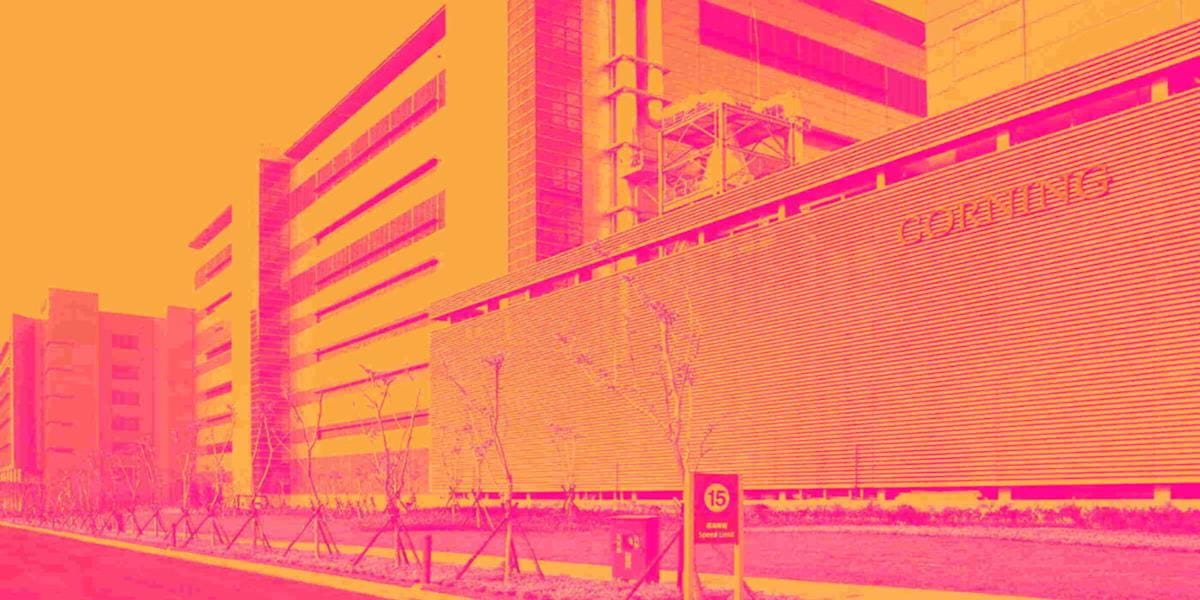
In a strategic move to solidify its physical foundation for artificial intelligence, Meta Platforms Inc. has entered into a multi-year supply agreement with Corning Incorporated. The deal, valued at up to $6 billion, underscores the massive capital expenditure required to sustain the current global AI race. As Meta aggressively builds out its next generation of data centers, the company is turning to Corning—a 175-year-old manufacturing giant—to provide the specialized fiber-optic connectivity essential for high-performance computing.
The announcement triggered an immediate and significant reaction on Wall Street. Shares of Corning (NYSE: GLW) surged 16.6% during afternoon trading, reflecting investor confidence in the company’s role as a primary beneficiary of the AI infrastructure boom. This partnership highlights a critical shift in the technology sector: while software and chipmakers often dominate headlines, the physical hardware and connectivity solutions are becoming the most vital bottlenecks in the deployment of large-scale AI models.
The Crucial Role of Fiber Optics in AI Data Centers
To understand the scale of this $6 billion commitment, one must look at the architectural requirements of modern artificial intelligence. Unlike traditional cloud computing, which handles discrete tasks like hosting websites or storing photos, AI training requires thousands of GPUs (Graphics Processing Units) to work in unison as a single, massive computer. This synchronization requires data to move between servers at near-instantaneous speeds with minimal latency.
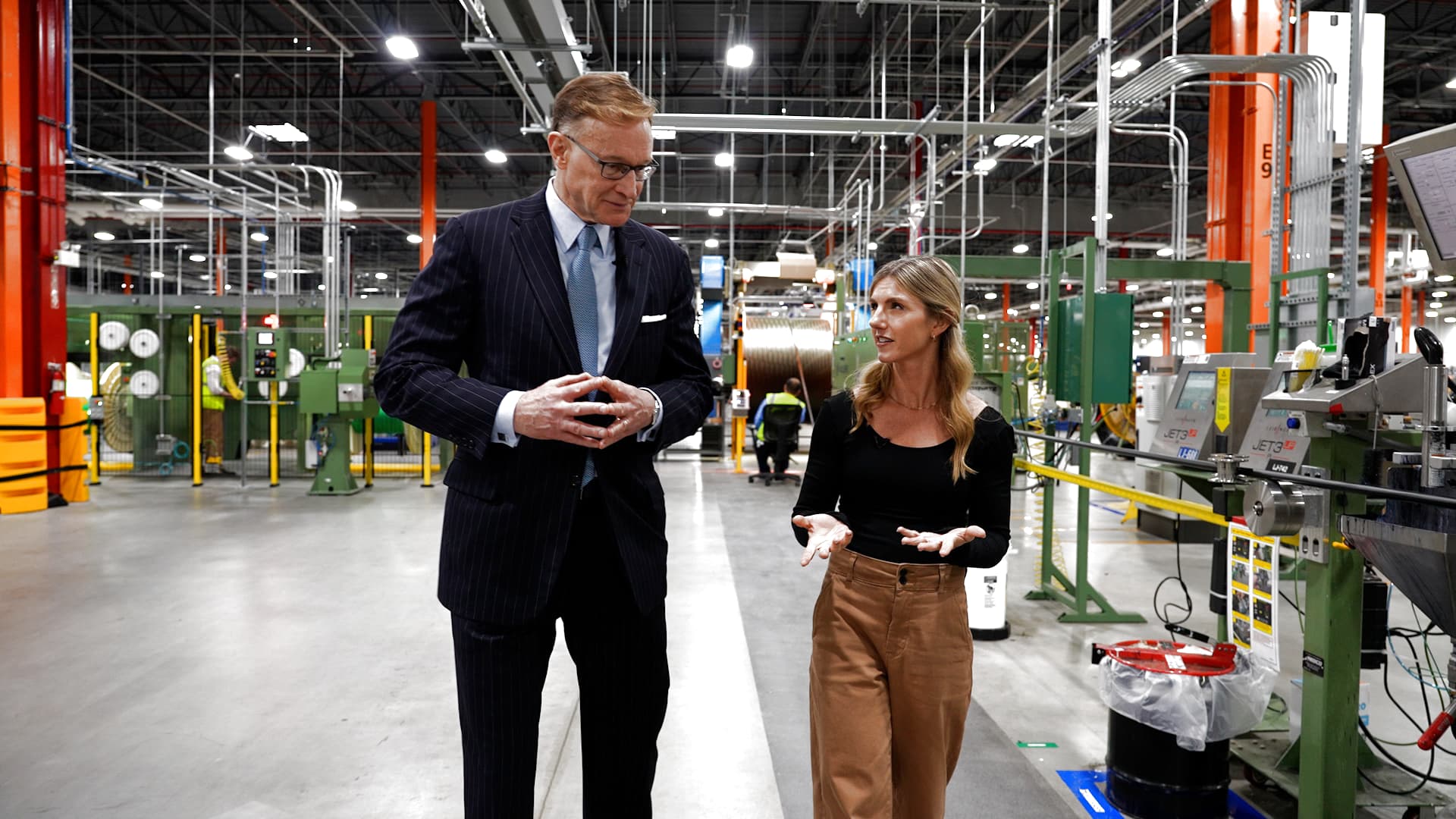
Fiber-optic cables, which transmit data using pulses of light through glass strands, are the only medium capable of handling the bandwidth demands of these GPU clusters. Meta’s move to secure a dedicated supply from Corning ensures that its construction timelines for new facilities in the United States and abroad will not be delayed by global supply chain constraints. For Corning, the deal represents a massive validation of its optical communications business, which has evolved far beyond its historical roots in consumer glass and lightbulb manufacturing.
Corning: A 175-Year-Old Pivot to High Tech
Founded in 1851, Corning has long been a pioneer in material science. From producing the glass for Thomas Edison’s first lightbulbs to developing the chemically strengthened Gorilla Glass used in modern smartphones, the company has consistently reinvented itself to meet the demands of emerging technologies. This latest multi-billion-dollar deal with Meta places Corning at the center of the generative AI revolution.
“Our collaboration with Meta is a testament to our leadership in optical fiber technology,” a company representative noted during a briefing. “As data center density increases to accommodate AI workloads, our high-density cabling solutions are becoming the industry standard.”
The deal involves the provision of advanced fiber-optic systems that can accommodate the dense server racks found in Meta’s specialized AI facilities. These facilities are designed to host Llama, Meta’s proprietary large language model, which requires unprecedented levels of interconnectivity to refine its predictive capabilities. By securing this supply, Meta reduces the risk of infrastructure shortages that have hampered other tech firms in recent years.
Economic Implications and the AI ‘Picks and Shovels’ Strategy
Investors are increasingly looking for “picks and shovels” companies—firms that provide the essential tools for a new industry rather than the final product. While Nvidia provides the “brain” (GPUs) and Meta provides the “service” (AI models), Corning provides the “nervous system” (fiber connectivity). This $6 billion contract is a clear signal that the infrastructure phase of the AI cycle is nowhere near completion.
The 16.6% jump in Corning’s stock price is its most significant single-day gain in recent years, pushing the company’s valuation to new heights. Market analysts suggest that this deal may prompt other hyperscale cloud providers, such as Google and Microsoft, to seek similar long-term supply agreements to ensure they are not left behind in the race for connectivity. As fiber-optic demand continues to outpace supply, Corning is positioned as an indispensable partner for the world’s largest technology platforms.
Looking Ahead: Meta’s CAPEX Strategy
Meta has signaled to its shareholders that capital expenditures will continue to rise as it builds the hardware necessary for Mark Zuckerberg’s long-term vision of a world integrated with artificial intelligence and the metaverse. The $6 billion deal with Corning is a significant portion of this expenditure, but it is seen by analysts as a necessary cost of doing business in a market where compute power is the ultimate currency.
The partnership also reflects a broader trend of vertical integration. By securing high-level contracts with specialized manufacturers like Corning, Meta is essentially building a bespoke ecosystem optimized for AI. This ensures that every component—from the glass in the cables to the software in the servers—is tuned for maximum efficiency, a competitive advantage that could prove decisive in the coming decade of technological competition.
Conclusion: A Convergence of Old and New Economy
The Meta-Corning deal represents a fascinating convergence of the old and new economies. It proves that the most advanced digital technologies still rely on a physical, industrial foundation. As Meta pushes the boundaries of what is possible with digital intelligence, it must rely on the centuries-old expertise of a company that mastered the manipulation of glass before the first computer was ever conceived. For the global economy, this deal is a reminder that the AI revolution is as much a story of physical infrastructure as it is one of digital innovation.