
Systemic Fragility: The Detroit Secondary Vacuum
The Detroit Lions are currently navigating a defensive regression characterized by a league-worst ranking in total and passing yards allowed. This operational failure is less a statistical outlier and more a structural deficit resulting from high-stakes personnel volatility. The underperformance of veteran D.J. Reed, compounded by the release of Terrion Arnold due to legal liabilities, has decimated the team’s depth, leaving the front office in a position of documented market vulnerability.
With the secondary acting as a bottleneck to the team’s competitive ceiling, Detroit must pivot from internal development to aggressive external acquisition. The loss of Arnold—a significant investment in institutional capital—requires an immediate veteran infusion to stabilize man-coverage rotations and prevent a mid-season defensive collapse.
The Dallas Surplus: Strategic Recalibration Amidst Performance Lapses
Conversely, the Dallas Cowboys represent a unique case of roster imbalance. While their 30th-ranked total defense reflects poor execution, the acquisition of Joey Porter Jr. has created a surplus of secondary assets. The impending return of Cobie Durant from a hamstring injury provides a strategic window for the organization to offload depth in exchange for run-defense reinforcements.
Internal metrics suggest Durant possesses a higher performance ceiling than teammates DaRon Bland or Shavon Revel, positioning the latter as viable trade chips. This surplus allows Dallas to dictate terms in a talent-scarce market, potentially recouping value while pivoting their defensive architecture toward a more balanced personnel distribution.
The Kristian Fulton Option: Financial and Tactical Alignment
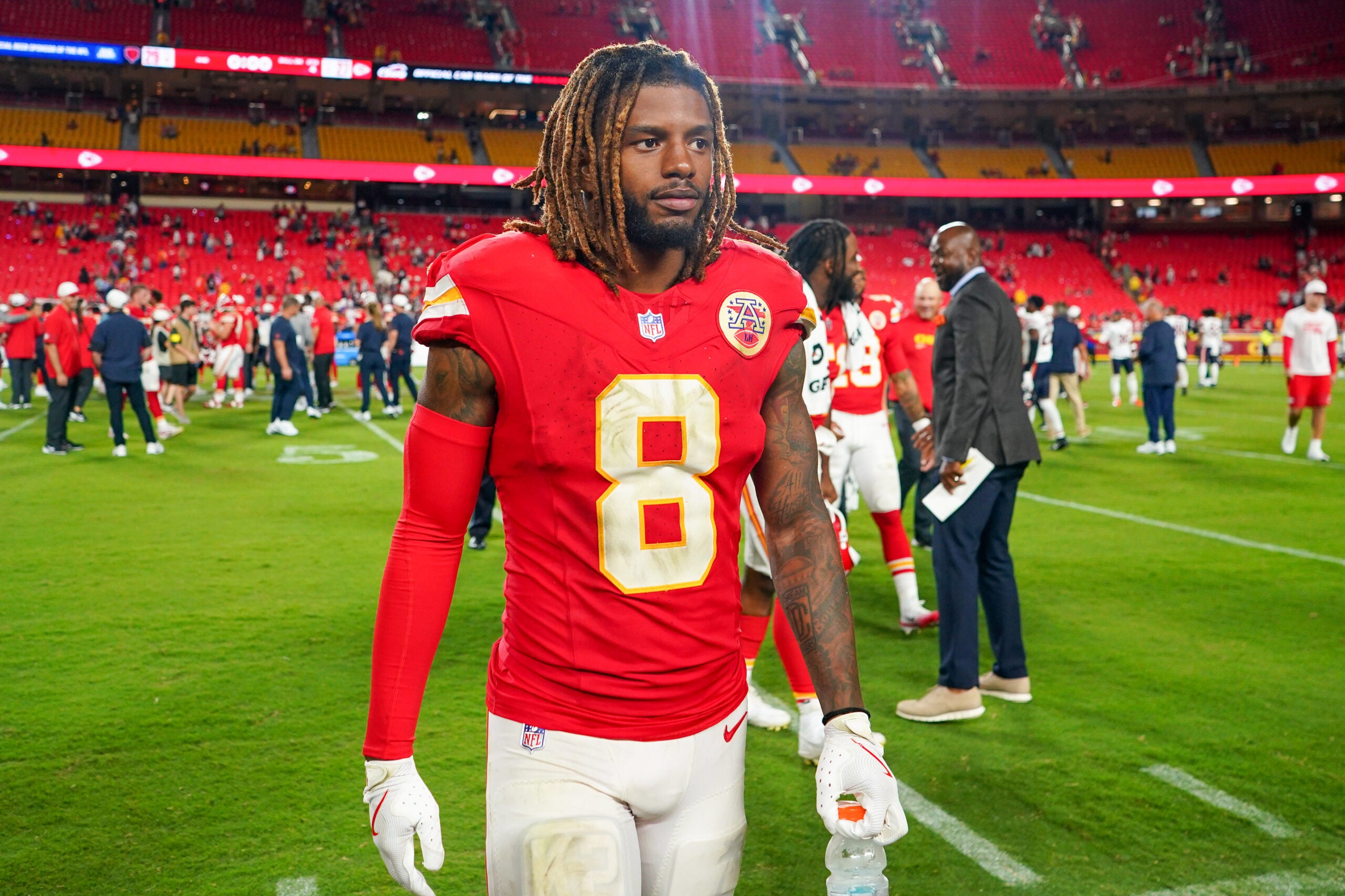
In a market where elite assets like Patrick Surtain II are functionally untouchable, Kristian Fulton of the Kansas City Chiefs emerges as the most pragmatic acquisition for man-heavy schemes. At 28 and on the final year of a $20 million contract, Fulton offers a low-risk, high-upside rental profile. His projected cost—a late-round pick—aligns with Detroit’s need to preserve premium draft capital while addressing immediate operational failures.
Fulton’s proficiency in man-coverage reduces the technical friction of a mid-season transition. For Detroit, absorbing his expiring cap hit provides a temporary solution that maintains long-term financial agility. For any acquiring team, the priority is clear: immediate defensive competency outweighs the speculative value of fifth- or sixth-round selections.
Conclusion: Market Scarcity and Operational Risk
The convergence of Detroit’s desperation and Dallas’s depth highlights the pressure of the NFL trade deadline. Integrating assets like Fulton mid-season involves inherent risks of communication breakdown, yet for a 32nd-ranked pass defense, the risk of inertia is far greater. The coming weeks will test the institutional credibility of both front offices as they attempt to realign their rosters with the realities of a pass-heavy league.

Photo by smartschwarz on Pixabay.