

Strategic Triage and Resource Capital Allocation
Senior Republican strategists face an acute financial dilemma as internal assessments reveal deteriorating competitive positions in two cornerstone Senate battlegrounds. Interviews with campaign officials and party operatives indicate that dynamics in North Carolina and Georgia are diverging sharply from initial cycle forecasts. This erosion is accelerating internal debate over whether to sustain massive advertising reservations or redirect limited capital toward more defensible territory.
While national leadership publicly maintains support for their nominees, operational stakeholders acknowledge that the strategic calendar affords little latitude. Decisions regarding media reservations must be resolved rapidly before pre-election booking costs consume essential balance sheet reserves. This tension underscores a fundamental challenge: balancing institutional loyalty against baseline electoral arithmetic.
Fiscal Discipline vs. Candidate Defense
The strategic rift within party ranks has been articulated through public interventions from sitting lawmakers demanding rigorous capital efficiency. Senator Thom Tillis (R-NC) has explicitly called for hard resource decisions, arguing that funding must be reserved for candidates with clear pathways to victory. Tillis’s stance represents a push for immediate spending discipline, reflecting the perspective of incumbents who recognize the finite parameters of national fundraising pools.
This call for fiscal triage contrasts with the standard operational posture of party committees, which typically project universal confidence to sustain donor morale. Publicly conceding difficulties in high-profile states risks signaling weakness to institutional contributors. However, Tillis’s remarks have stripped away that protective narrative, forcing coordinators to confront the reality of declining polling viability in critical Southern media markets.
The North Carolina Retention Vulnerability
The Senate contest in North Carolina carries outsized significance as a core Republican defensive anchor. A failure to defend this seat would provide Democrats with one of the four net flips required to dismantle the current Republican majority. The seat, opened by Tillis’s departure, features Michael Whatley against former Governor Roy Cooper—an opponent with established statewide name recognition.
Whatley’s campaign has struggled with message penetration, triggering scrutiny regarding operational efficacy. The gravity of this shortfall was amplified by warnings from Representative Nancy Mace, who cautioned that the GOP faces a near-certain loss without dramatic intervention. For national committees, defending a state carried multiple times by Donald Trump represents an unexpected drain on resources intended for offensive expansions.
Challenger Headwinds in Georgia
In Georgia, the operational forecast appears equally strained as Representative Mike Collins challenges incumbent Senator Jon Ossoff. Tasked with reclaiming a seat that flipped in recent cycles, Collins faces the prohibitive costs of the Atlanta media market. Polling trends consistently position the challenger behind the incumbent, raising questions about the prudence of matching an established institutional war chest in a high-cost theater.
Operatives indicate that Collins’s lagging position has deepened reservations among national donors. The inability to generate competitive traction not only complicates offensive aspirations but forces a reconsideration of regional spending models. This persistent deficit effectively contracts the operational battlefield, limiting the party’s capacity to exert pressure elsewhere.
Leadership Strategy and Institutional Signaling
The strategic ambiguity is further underscored by NRSC Chairman Tim Scott’s prioritization posture. In recent communications outlining top-tier targets, Scott omitted both Georgia and North Carolina. This exclusion is interpreted by strategists as a quiet institutional pivot away from these complex landscapes.
Excluding these states serves as a powerful signal to independent expenditure groups and high-dollar contributors. While spokespeople insist the party remains engaged, leadership choices regarding target lists dictate the movement of vital capital. When a national chair leaves contests off primary rosters, secondary donors routinely recalibrate their contributions toward officially designated priority races.
Systemic Ramifications for Chamber Control
The combined vulnerability in these Southern states impacts the broader equation for Senate control. Loss of an incumbent-held seat in North Carolina would materially lower the threshold for a Democratic majority. Rather than running a defensive cycle, Democratic leadership gains tactical flexibility when previously resilient Republican strongholds transform into legitimate pickup opportunities.
Simultaneously, outside expenditure vehicles face strategic inflection points. Super PACs must decide whether to honor reserved airtime or cancel reservations to deploy capital elsewhere. Canceling pre-reserved time carries financial penalties, yet subsidizing candidates trailing significantly represents an unacceptable capital risk. The coming weeks will determine whether the GOP infrastructure commits to a high-risk defense or executes an aggressive strategic retreat to secure the majority through other pathways.
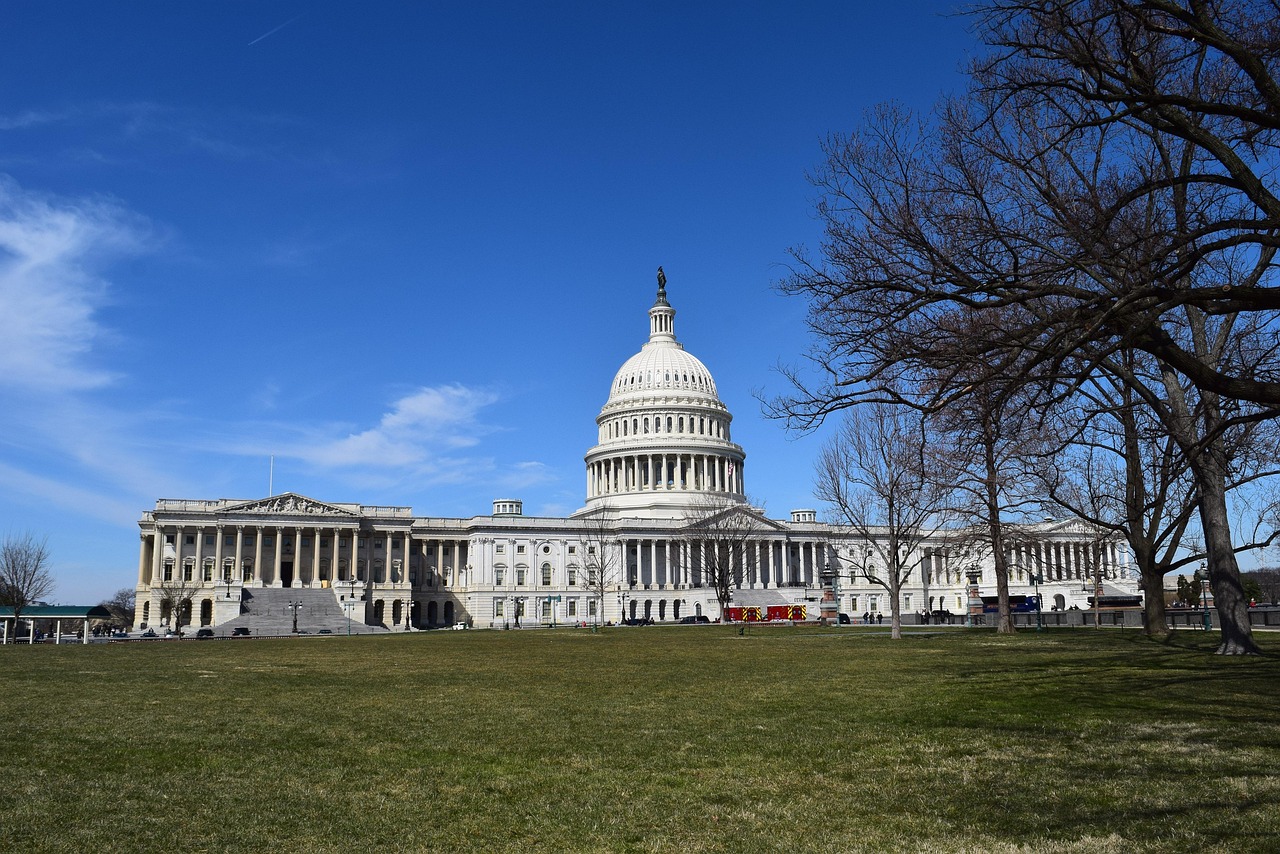
Photo by bones64 on Pixabay.