Prestige Documentarian Hybridity and Cultural De-risking
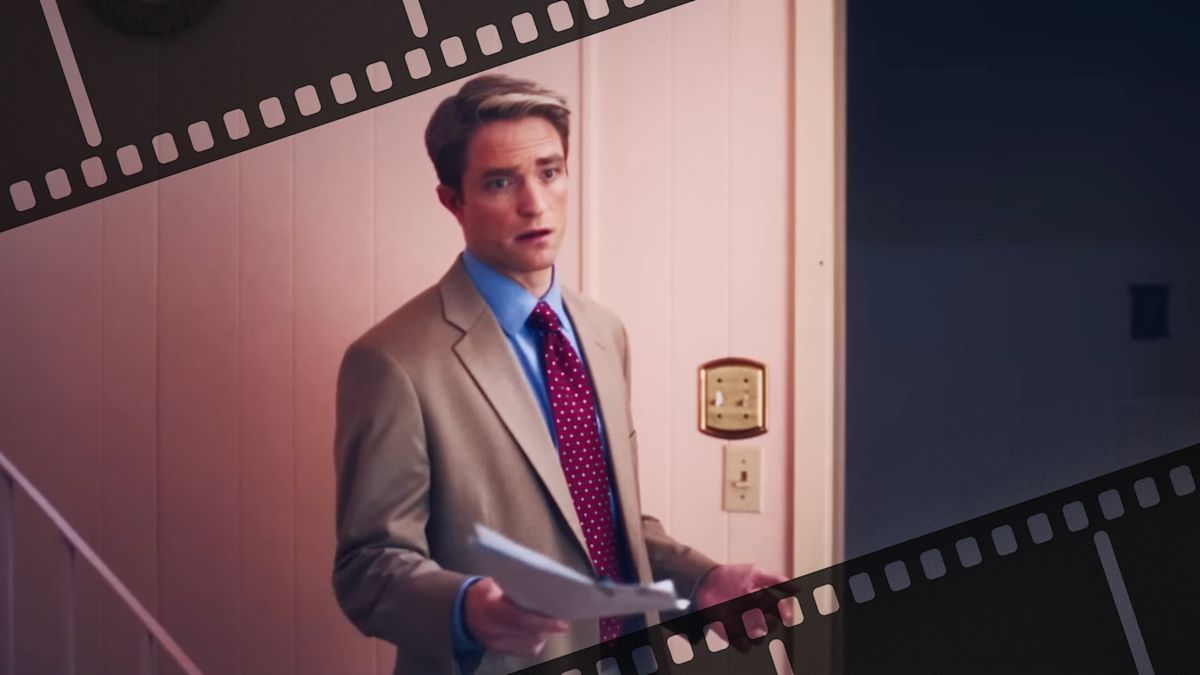
The contemporary theatrical slate increasingly relies on distinct structural poles: mid-budget prestige character studies and contained high-concept thrillers. Lance Oppenheim’s Primetime exemplifies this institutional pivot by transitioning docu-verité realism into narrative cinema. By casting Robert Pattinson as a figure modeled after investigative host Chris Hansen, the production mitigates customer acquisition friction by monetizing established cultural awareness, transforming broadcast tabloid history into theatrical IP without conventional franchise licensing fees.
Oppenheim’s transition to narrative features signals an industry-wide aesthetic maneuver: utilizing documentary-grade authenticity as an operational differentiator in a saturated market. For commercial stakeholders, Primetime serves as a test case for whether subversive, non-traditional narrative architecture can generate sufficient box office yield against standard genre programming.
Theatrical Survival Thrillers as Capital Hedging
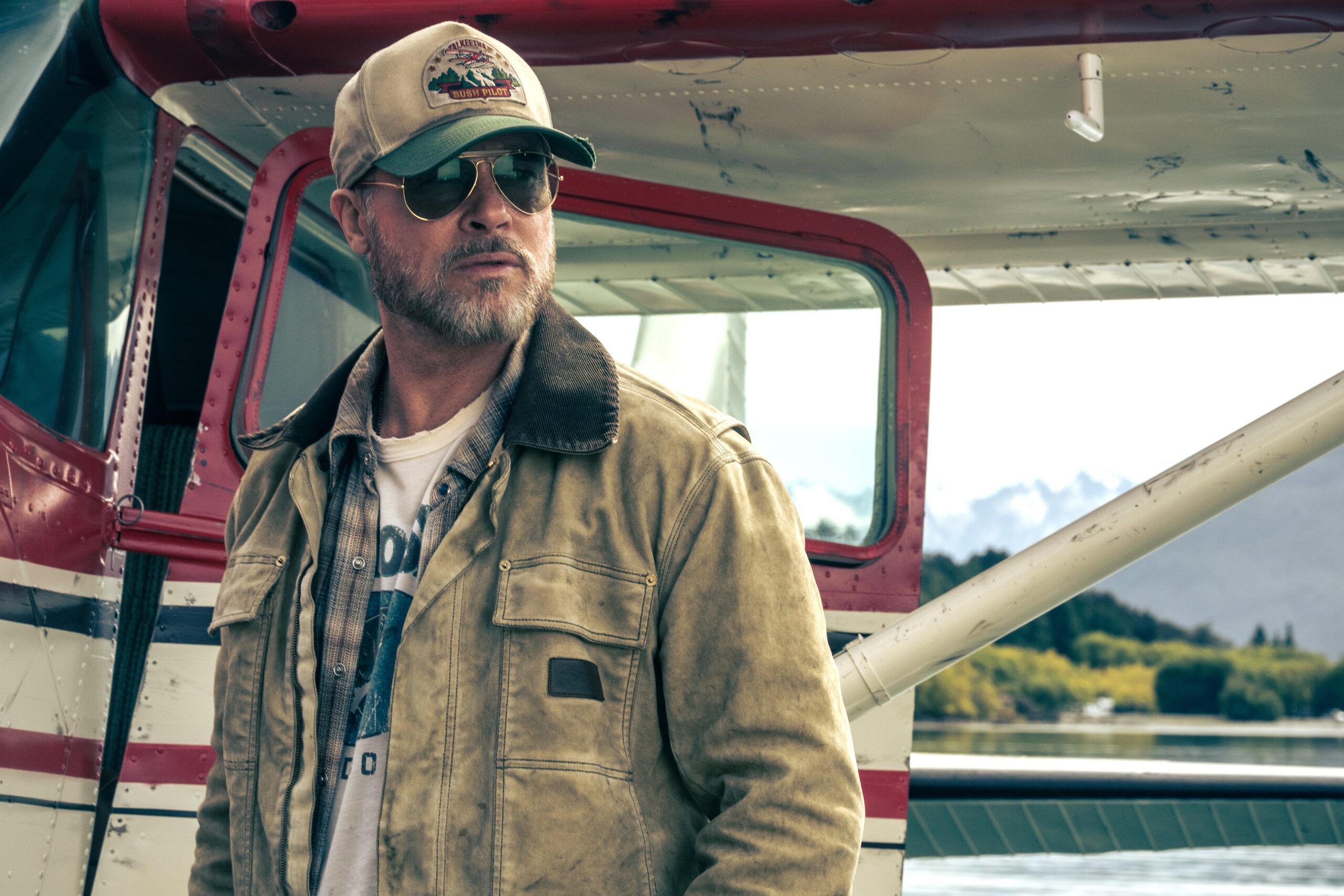
David Ayer’s Heart of the Beast, starring Brad Pitt and J.K. Simmons, functions as an exercise in talent-driven risk mitigation. Scheduled for theatrical distribution on September 25 via Paramount Pictures, the project relies on the survival thriller’s structural advantages: a contained physical scope, disciplined production budgets, and universal conflict dynamics that guarantee steady international distribution yield.
By anchoring the production in the Alaskan wilderness, Paramount minimizes complex VFX set-piece expenditure while maximizing star-wattage leverage. The narrative architecture serves a dual economic purpose: capturing older, non-franchise theatergoers who drive theatrical drama revenues, while securing an asset with proven recurring valuation in downstream licensing windows.
Ecosystem Retention and Streaming Window Prioritization
The positioning of Pixar’s Toy Story 5 on Disney+ reflects a calculated transition from short-term box office maximization to long-term Subscriber Lifetime Value (LTV). Placing foundational franchise IP directly into the subscription video-on-demand (SVOD) channel insulates Disney’s core family demographic against churn, prioritizing platform defense over front-loaded theatrical gross receipts.
Conversely, Paramount+ deploys curated acquisitions like Tuner to counter platform attrition among adult prestige demographics. Paired with theatrical-first vehicles like Heart of the Beast, this multi-tiered slate structure broadens catalog breadth and hedges against single-audience churn.
Diasporic Market Capture Through Culturally Specific IP
Directed by Joel Crawford and Januel Mercado, Forgotten Island targets cross-border demographic whitespace by adapting Philippine mythology. Backed by voice talent including H.E.R. and Liza Soberano, the animated feature balances PG-rated family accessibility with underserved global diasporic appeal, demonstrating how non-Western cultural capital can be scaled across international distribution corridors.
TVOD Margin Capture and Algorithmic Counterprogramming
Transactional Video on Demand (TVOD) remains a resilient monetization channel for dedicated cult fanbases. The premium digital release of Super Troopers 3 sidesteps theatrical Print and Advertising (P&A) overhead to capture high-margin returns directly from an addressable audience. Concurrently, lower-overhead acquisitions like Idiots, Eli Roth’s Ice Cream Man, and literary streaming adaptations like Prime Video’s The Love Hypothesis supply predictable volume, providing the cash-flow stabilization required to underwrite high-risk theatrical slates.