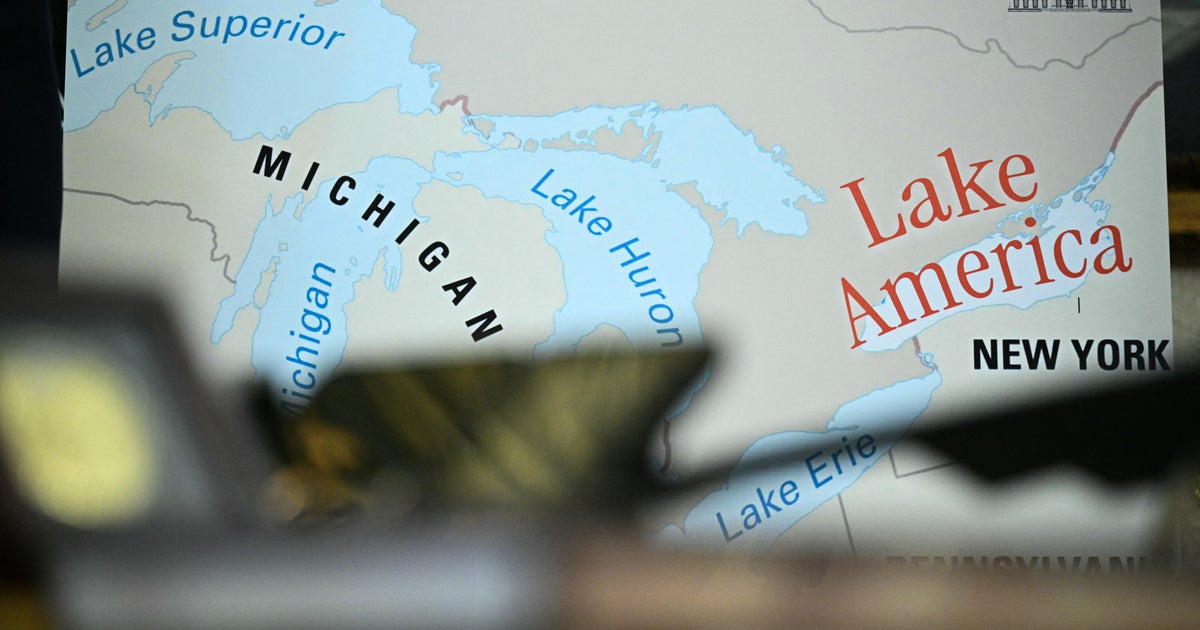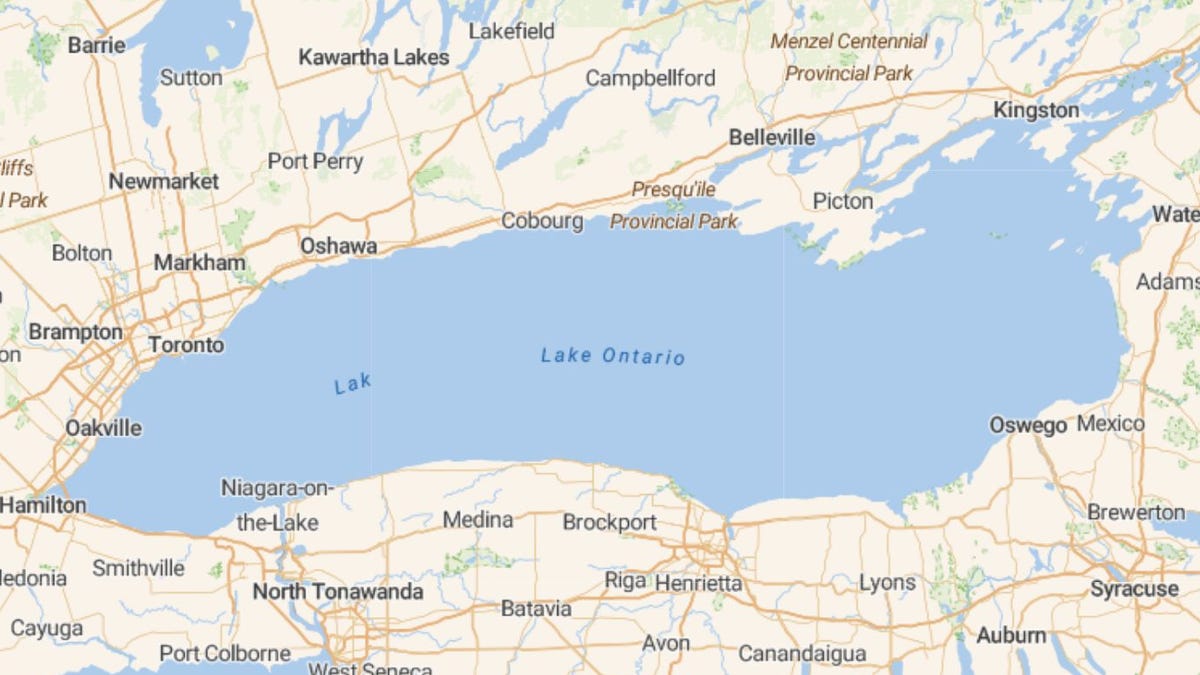
An executive order directing the renaming of Lake Ontario to Lake America has created a significant operational and strategic divergence across the consumer mapping industry. The directive, signed August 27 amid escalating U.S.-Canada trade tensions, mandates formalization by the Department of the Interior and the U.S. Board on Geographic Names within thirty days. This follows a similar administrative action concerning the Gulf of Mexico last year.
Institutional Compliance vs. Cartographic Autonomy
Google Maps rapidly implemented the presidential directive for its domestic user base on August 29. Citing its policy to reflect geographical designations recognized by official government sources, Google justified the immediate transition in a statement. This swift compliance highlights how major platform operators adhere to standardized protocols aligned with host-nation regulatory authorities.
The executive order’s thirty-day implementation window for federal agencies responsible for geographical records presents distinct operational choices for platform managers. Deciding when to recognize executive directives versus established multilateral nomenclature involves balancing regulatory alignment with broader cartographic and geopolitical considerations. Observers are monitoring how competing ecosystem providers, including Apple Maps, will address domestic labeling requirements for shared international waters.
Market Disruption and Consumer Sentiment Impact
In stark contrast, legacy navigation provider MapQuest explicitly rejected the geographic alteration, adopting a distinct commercial posture. The company announced on social media the day the order was signed its commitment to maintaining historical designations. MapQuest stated Lake Ontario remains correctly labeled on its platform and introduced an interactive feature allowing users to create customized designations.
This strategic defiance resulted in an immediate commercial resurgence for MapQuest across digital distribution channels. The platform reached the top spot among free applications on the Apple App Store, surpassing AI platforms. Company disclosures indicate hundreds of thousands of new downloads and active usage rates approximately fifty times higher than normal baselines, demonstrating a significant consumer response to its stance.
Bilateral Friction and Public Opinion
The cartographic dispute unfolds against broader economic tensions and measurable public resistance. Polling by Reuters and Ipsos indicates a majority of Americans oppose the current tariffs against Canada and the executive renaming of the international body of water. The divergent corporate responses underscore the structural friction between official bilateral trade disputes and domestic consumer preferences, highlighting the influence of public opinion on corporate strategy in politically charged situations.
The operational divide among navigation providers illustrates the growing commercial significance of cartographic governance in international trade conflicts. While global market leaders prioritize adherence to sovereign administrative directives, independent services have successfully leveraged geographic continuity to capture substantial user engagement and market share. As the federal thirty-day formalization window proceeds, the handling of cross-border topography remains a visible intersection of platform policy, executive power, and public response.