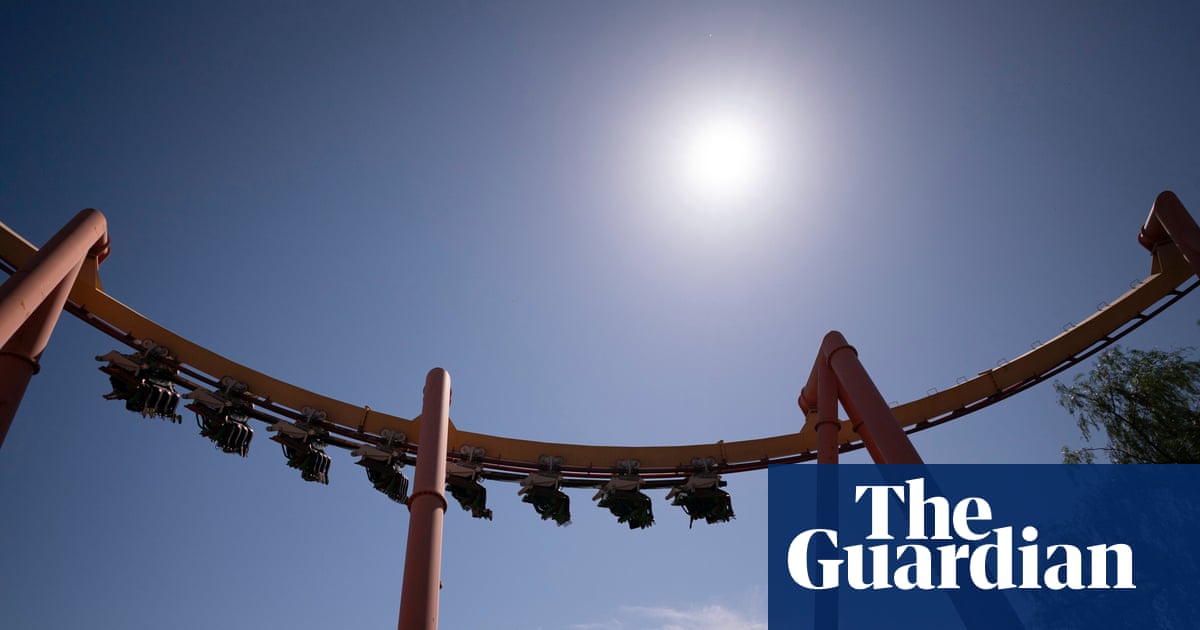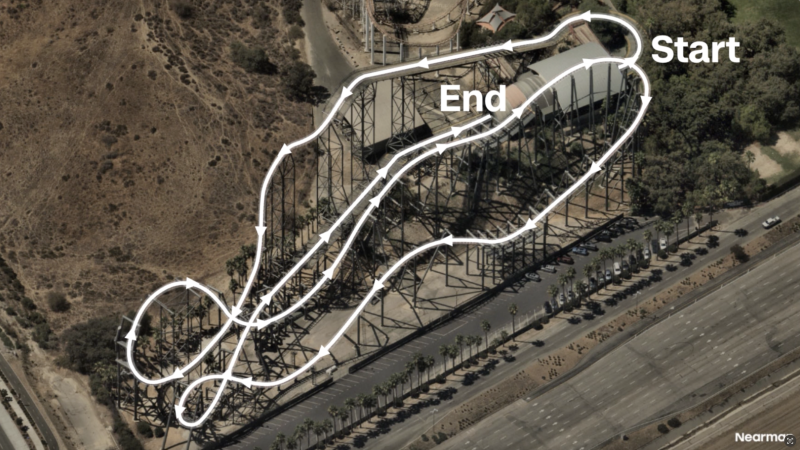
The operational suspension of the X2 rollercoaster at Six Flags Magic Mountain serves as a pivotal case study in the intersection of extreme kinetic engineering and institutional liability. Triggered by recent reports of severe intracranial trauma—specifically subdural hematomas and brain compression—the closure forces a rigorous reassessment of the 4D rollercoaster’s mechanical limits. These incidents suggest a significant misalignment between the ride’s aggressive rotational profile and human physiological tolerances.
Biomechanical Pathophysiology of Multi-Axis G-Forces
Unlike traditional coasters that primarily utilize linear G-forces, X2’s 4D design utilizes independent seat rotation, creating a multi-axis kinetic environment. This complexity exposes the head and neck to unpredictable shifts. Medical reports consistent with high-speed shear forces indicate that the rotational velocity may exceed the protective capabilities of standard restraint systems. When the brain undergoes rapid deceleration or twisting within the cranium, bridging veins can rupture, leading to the specific hemorrhages documented in recent hospitalizations.
The cluster of injuries—two riders reporting similar trauma within a single week—points toward a systemic mechanical or operational variable. This necessitates a forensic engineering audit of the ride’s damping systems and seat-rotation actuators. At a 76mph velocity, any micro-deviation in the synchronization between track position and seat rotation can amplify impulse forces beyond structural cranial limits, transforming the ride’s ‘extreme’ appeal into a primary source of legal exposure.
Institutional Liability and the ‘Assumption of Risk’ Doctrine
X2’s safety record, spanning nearly two decades, includes multiple hospitalizations and fatalities, framing the current investigation within a long-standing pattern of high-severity risk. Historically managed through legal mitigation and settlements rather than decommissioning, the ride now represents a mounting reputational liability. The shift from isolated incidents to a concentrated cluster of brain injuries suggests potential mechanical fatigue or a failure in iterative maintenance protocols.
Legal scrutiny will likely center on the ‘assumption of risk’ doctrine. While theme parks are traditionally shielded from standard injury claims, evidence of a known mechanical flaw or a pattern of foreseeable intracranial trauma can invalidate liability waivers. This exposes the park to substantial personal injury claims and broader regulatory audits of its safety management systems.
Strategic Implications and Asset Devaluation
As a marquee ‘rite of passage’ attraction, X2’s prolonged downtime incurs significant opportunity costs, diminishing the park’s competitive advantage in the Southern California market. Beyond lost attendance, the financial burden includes forensic inspections and potential retrofitting. If a fundamental design flaw is identified in the 360-degree mechanism, the capital expenditure for permanent rectification may be prohibitive, forcing a choice between brand dilution and costly reinvestment.
Furthermore, the cluster of high-severity injuries triggers adjustments to operational insurance premiums. Insurers evaluate risk ratings based on frequency and severity; documented cases of brain compression and seizures represent a worst-case scenario for risk assessment. This long-term financial burden must be weighed against the projected revenue of the ride’s continued operation.
Regulatory Outlook: Safety Standards vs. Innovation
The involvement of state safety boards indicates a shift from self-regulation to external oversight. Investigators will determine if X2’s operational parameters have drifted from original design specifications. As industry standards for G-force exposure evolve, X2’s 20-year-old engineering may no longer meet modern safety benchmarks. The outcome of this inquiry will likely serve as a bellwether for the amusement sector, potentially leading to a re-evaluation of 4D technology and a industry-wide shift toward prioritizing biomechanical safety over mechanical extremes.