Kinematics and Context of the 63rd Avenue Collision
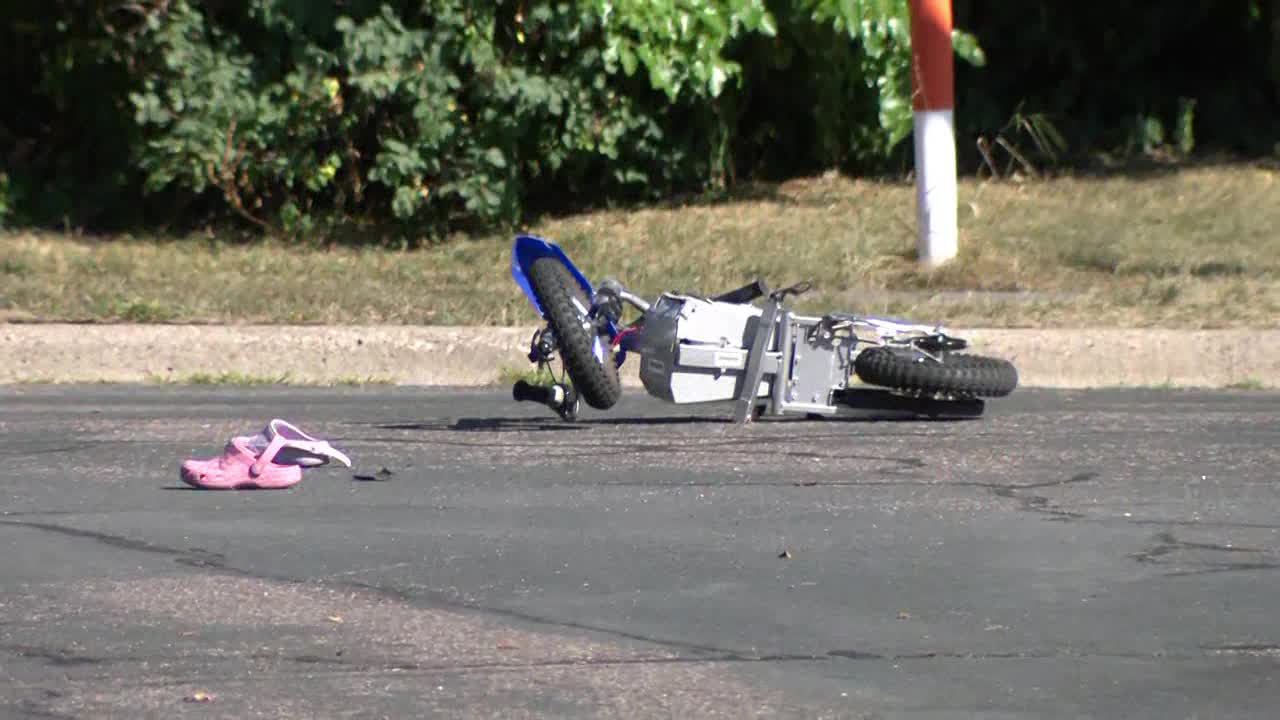
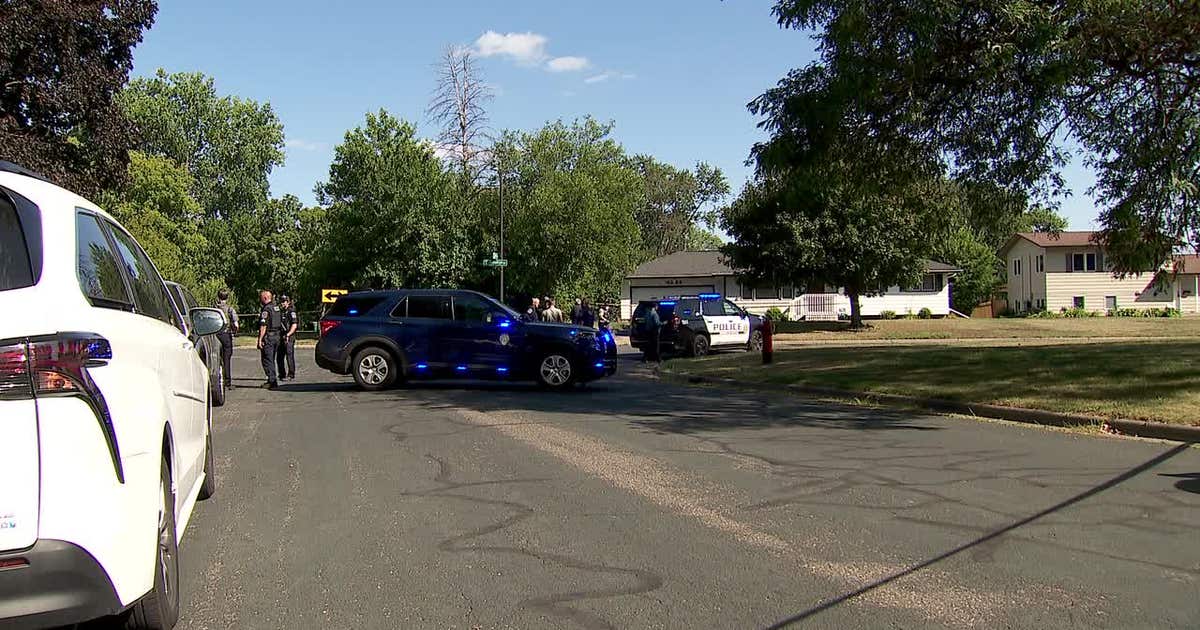
A high-impact collision at the intersection of 63rd Avenue North and Brooklyn Drive in Brooklyn Center, Minnesota, has resulted in the death of a seven-year-old girl and left a nine-year-old in critical condition. The incident occurred when a southbound passenger vehicle struck the two minors as they traveled eastbound on minibikes. This event highlights a growing friction point in urban safety: the interaction between standard vehicular traffic and small-scale, motorized recreational craft in residential zones.
Multi-Agency Investigative Framework
The investigation is currently a joint operation involving the Minnesota State Patrol and the Hennepin County Sheriff’s Office. This multi-jurisdictional approach is standard for fatalities involving complex accident reconstruction. Investigators are focusing on variables such as line-of-sight obstructions at the Brooklyn Drive intersection, vehicle velocity, and the mechanical compliance of the minibikes. The driver’s immediate cooperation with law enforcement serves as a primary baseline for establishing the timeline of events and potential negligence or unavoidable environmental factors.
Regulatory Challenges and Municipal Ordinances
The presence of minors operating motorized bikes on public thoroughfares brings municipal ordinances into sharp focus. Most Minnesota suburbs restrict non-road-legal motorized vehicles to private property, yet enforcement remains challenging. This tragedy necessitates a review of Brooklyn Center’s regulatory framework regarding ‘pocket bikes’ and similar craft, which often lack the lighting, height, and safety features required for visibility in standard traffic patterns. The legal outcome will likely hinge on whether the operation of these vehicles constituted a foreseeable risk or a failure in parental or municipal oversight.
Infrastructure and Traffic Calming Measures
Beyond the immediate human cost, the accident prompts an evaluation of the 63rd Avenue corridor’s design. Urban planners must address whether current traffic calming measures—such as speed limits and signage—are sufficient for a neighborhood with high residential density. The intersection’s geometry and the effectiveness of existing right-of-way protocols for non-traditional road users are now under technical scrutiny to prevent recurrence.
Systemic Socio-Psychological Impact
The ripple effect of the incident extends from the immediate grief of the families to the vicarious trauma experienced by first responders and the local community. Beyond the emotional response, the event serves as a catalyst for public discourse on the balance between childhood autonomy and the inherent risks of modern urban transit. The long-term policy evolution in Brooklyn Center will likely integrate more robust public education campaigns regarding the legal and physical risks associated with motorized recreational equipment.