Structural Centralization vs. District-Level Campaigning
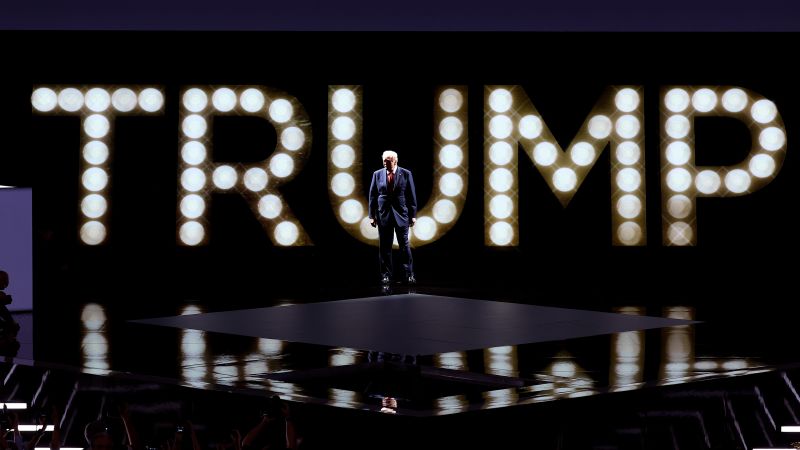
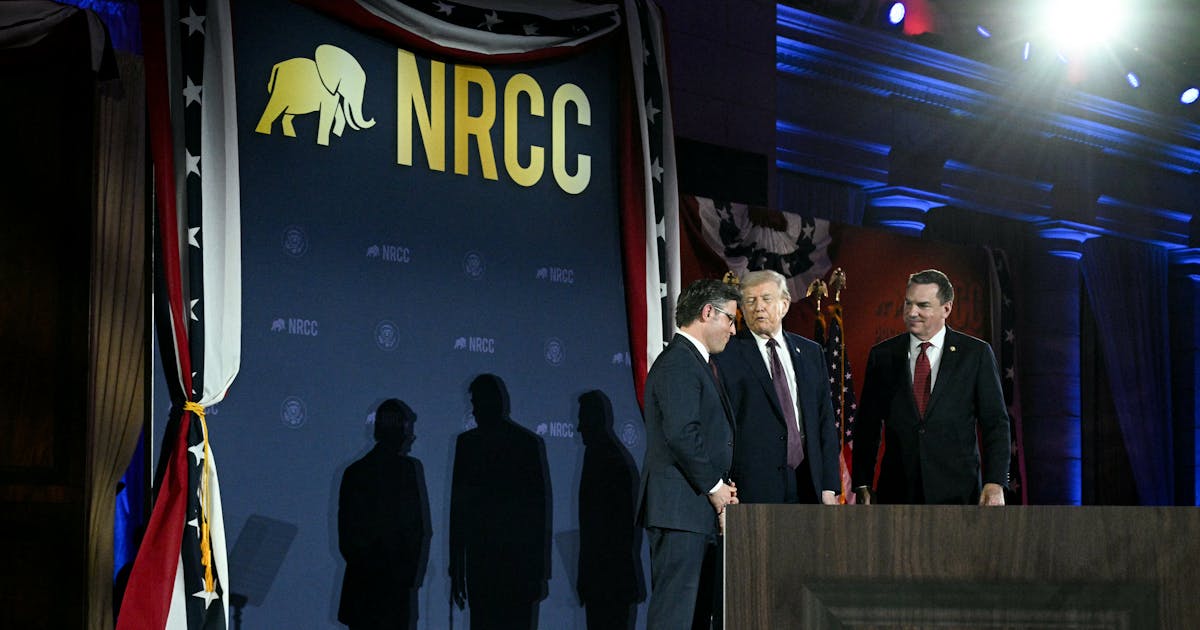
The National Republican Campaign Committee’s (NRCC) decision to stage an inaugural midterm convention in Dallas marks a fundamental departure from traditional, decentralized congressional campaign strategy. Historically, midterm outcomes hinge on localized voter contact, district-specific messaging, and intensive ground-game mobilization. By attempting to nationalize the cycle around a centralized, two-day media spectacle headlined by Donald Trump, the party risks misallocating institutional momentum during the crucial final stretch before Election Day.
For vulnerable candidates in competitive swing districts, the operational trade-offs are significant. Departing battleground constituencies to attend a high-profile national summit cedes critical media cycles and grassroots visibility to local opponents. Strategic consultants argue that substituting granular, door-to-door constituency outreach with top-down party pageantry represents an unforced tactical vulnerability.
Capital Extraction and Campaign Finance Mechanics
The convention’s financing structure inverts standard party committee operations. Rather than serving as an outbound financial conduit for vulnerable incumbents, the NRCC is demanding mandatory capital outlays from elected officials: general attendance tiers begin at $25,000, with premium packages scaling to $100,000. This pay-to-play framework effectively siphons resources away from localized media buys and digital field operations into a single institutional event.
Simultaneously, the convention incorporates corporate sponsorships routed through an undisclosed nonprofit vehicle, according to reporting by Puck. While this structure enables substantial institutional fundraising exempt from standard political committee reporting mandates, it introduces distinct vulnerabilities. Leveraging non-disclosing 501(c) entities invites public scrutiny over corporate dark money, providing opposing campaigns with potent messaging leverage regarding donor transparency.
Operational Timing and Media Saturation
The summit’s placement on the calendar generates friction across media and messaging channels. Scheduled alongside the NFL kickoff and 9/11 commemorations, the event enters an intensely saturated broadcast environment where national narrative dominance is both difficult and cost-prohibitive to secure. The somber tenor required around national memorial dates further constrains political rally messaging.
Compounding these media obstacles is a rushed logistical rollout. With formal invitations circulating only weeks prior to the event, scheduling conflicts have left leadership with a fragmented attendee roster. As Texas-based Republican strategist Reb Wayne noted, the initial conceptual viability of the summit has waned as the operational realities of the fast-approaching election set in, underscoring the divergence between national spectacle and local district needs.
Long-Term Institutional Implications
Without formal legislative business, platform ratification, or primary delegate votes, the Dallas convention operates exclusively as an exercise in branding and high-dollar fundraising. The internal characterization of the effort by some party operatives as an unnecessary distraction underscores mounting structural tension within the GOP apparatus.
Should the Dallas convention fail to yield measurable polling or fundraising dividends in battleground districts, it will likely accelerate internal scrutiny of the NRCC’s centralized model. Conversely, if it succeeds in dominating national fundraising channels, it will formalize a new paradigm in midterm mechanics—one that prioritizes executive-level national branding over traditional district-level operational autonomy.