The 2026 Oklahoma primary runoffs represent a pivotal realignment in the state’s political architecture, characterized by a Democratic pivot toward ideological populism and a Republican base currently bifurcated by institutional friction. These results suggest that the traditional ‘moderate-incremental’ strategy is being superseded by a demand for clinical clarity and partisan hardening.
The Democratic Senate Realignment: Clinical Authority vs. Legal Institutionalism
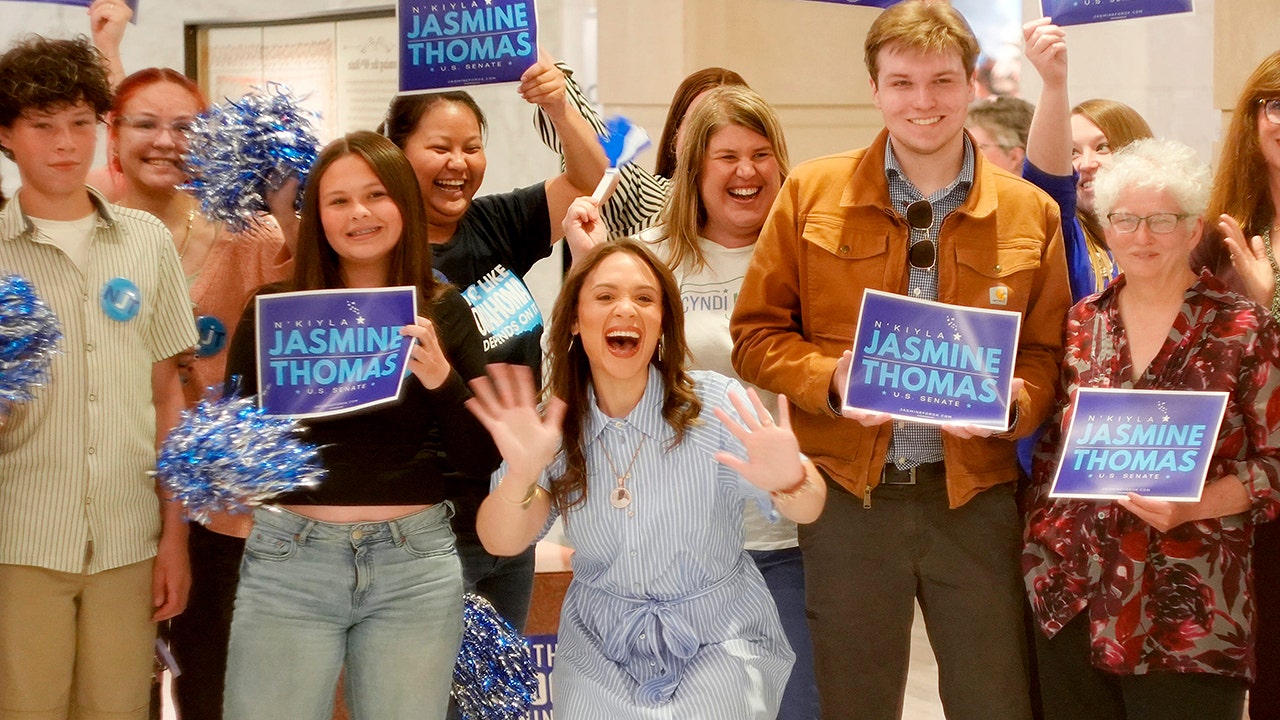
N’Kiyla Jasmine Thomas’s victory over Jim Priest marks a definitive rejection of the legal-administrative archetype that has long dominated Oklahoma’s Democratic recruitment. By leveraging her background as a nurse, Thomas successfully transitioned from a field of five to the nomination, substituting traditional legislative experience with what can be termed ‘operational authority.’ Her platform—prioritizing federal accountability and the restoration of Roe v. Wade—serves as a high-stakes stress test for progressive viability in a deep-red jurisdiction.
The strategic emphasis on the impeachment of Donald Trump functions as a dual-edged mobilization tool. While it consolidates a disenfranchised Democratic base, it effectively nationalizes the race, allowing incumbent Representative Kevin Hern to frame the contest as a referendum on federal overreach. This ideological sharpening eliminates the ‘middle-ground’ buffer, forcing an electoral binary that focuses on healthcare expansion and teacher pay as the primary levers for rural-urban bridge-building.
Republican Gubernatorial Friction: The Incomplete Mandate
The Republican gubernatorial runoff concluded with Mike Mazzei securing a projected 50.3% to Gentner Drummond’s 49.7%. This 0.6% margin represents a statistical deadlock rather than a definitive mandate, exposing deep-seated geographic and ideological fissures within the GOP. Mazzei’s dominance in Adair (68.3%) and Atoka contrasts sharply with Drummond’s strength in northern corridors like Alfalfa (62.1%), illustrating a state divided by regional economic priorities and differing definitions of conservative governance.
This narrow victory necessitates a period of intense intra-party diplomacy. Mazzei must now navigate a landscape where nearly half of his own electorate favored an alternative, potentially constraining his executive agency. The closeness of the race suggests that the ‘populist vs. institutionalist’ debate remains unresolved, with future policy regarding tax structures and infrastructure investment likely to be tempered by the need to maintain a fragile coalition.
Macro-Political and Fiscal Implications
The 2026 cycle underscores the ‘nationalization’ of Oklahoma’s local politics. Thomas’s healthcare-centric platform requires a fundamental realignment of the state’s fiscal priorities, which faces a structural mismatch with a likely resistant state legislature. Meanwhile, the GOP’s internal exhaustion—evidenced by the razor-thin gubernatorial margin—may lead to capital depletion and strategic delays heading into the general election. For market participants and institutional observers, these results signal a period of increased policy volatility and a departure from the predictable political monolithism of previous decades.