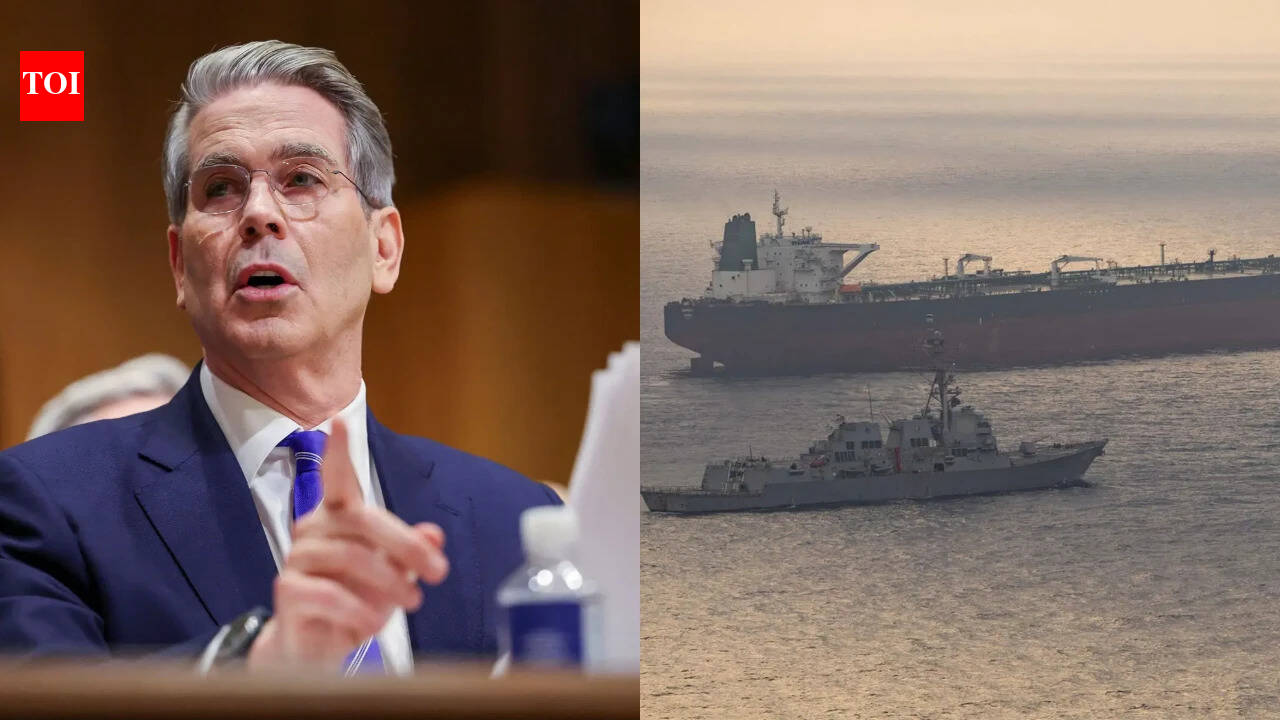
The United States Treasury Department has formalized a paradigm shift in its Middle Eastern strategy, initiating what Secretary Scott Bessent defines as an ‘economic D-Day.’ This systemic offensive against the Islamic Republic of Iran follows the expiration of a 60-day diplomatic window, signaling a transition from incremental pressure to a strategy of total institutional exclusion. By targeting the foundational pillars of the Iranian economy, Washington seeks to sever Tehran’s remaining sovereign wealth conduits and operational capacities.
Strategic Framework: Total Institutional Isolation
The ‘Economic D-Day’ framework represents a coordinated multi-agency effort to achieve a decisive conclusion to the long-standing pressure campaign. Unlike previous iterations of sanctions that focused on individual entities, this offensive targets broad-spectrum verticals, including banking, energy, aviation, and cryptocurrency. The objective is to capitalize on existing domestic volatility—characterized by hyperinflation and currency devaluation—to force a structural collapse of the Iranian state’s ability to fund regional activities.
Global Financial Arteries and Secondary Sanctions
A primary mechanism of this offensive is the aggressive expansion of secondary sanctions. Secretary Bessent has explicitly warned third-party nations that facilitating Iranian transactions will result in shared isolation. By forcing global financial institutions to choose between the Iranian market and access to the U.S. dollar-clearing system, Washington is effectively leveraging the global private sector as a de facto enforcement arm. This eliminates middle-market intermediaries that previously facilitated sanctions evasion, creating an impenetrable financial blockade.
Maritime Brinkmanship in the Strait of Hormuz
In response to the fiscal squeeze, Tehran has weaponized its geographic control over the Strait of Hormuz. High-ranking officials, including Mohsen Rezaei, have threatened to halt oil flows and seize vessels violating Iranian-defined transit rules. This tactical escalation aims to project regional instability and deter U.S. allies by threatening global energy security. Consequently, maritime commerce is entering a period of high-risk opacity, with shipping firms adopting clandestine ‘dark’ navigation tactics to bypass potential detention.
Internal Political Fractures and Regime Dissent
The external pressure is widening fissures within the Iranian leadership. While the Supreme Leader remains committed to a confrontational stance, President Masoud Pezeshkian has publicly defended previous diplomatic frameworks, citing the unsustainable nature of perpetual conflict. This divergence between the pragmatist wing and the ideological hardliners suggests that the U.S. strategy is successfully generating domestic political costs, forcing a critical debate within Tehran regarding the long-term viability of their current strategic orientation.
Conclusion: The End of the Diplomatic Window
The transition to ‘Economic D-Day’ marks the definitive closure of the 60-day ceasefire mechanism. As the Treasury Department dismantles Iran’s economic lifelines, the focus shifts to the resilience of global supply chains and the efficacy of secondary sanction enforcement. The coming weeks will determine whether this totalizing form of financial warfare can secure a non-kinetic resolution or if the resulting maritime and energy volatility will necessitate a broader international intervention.