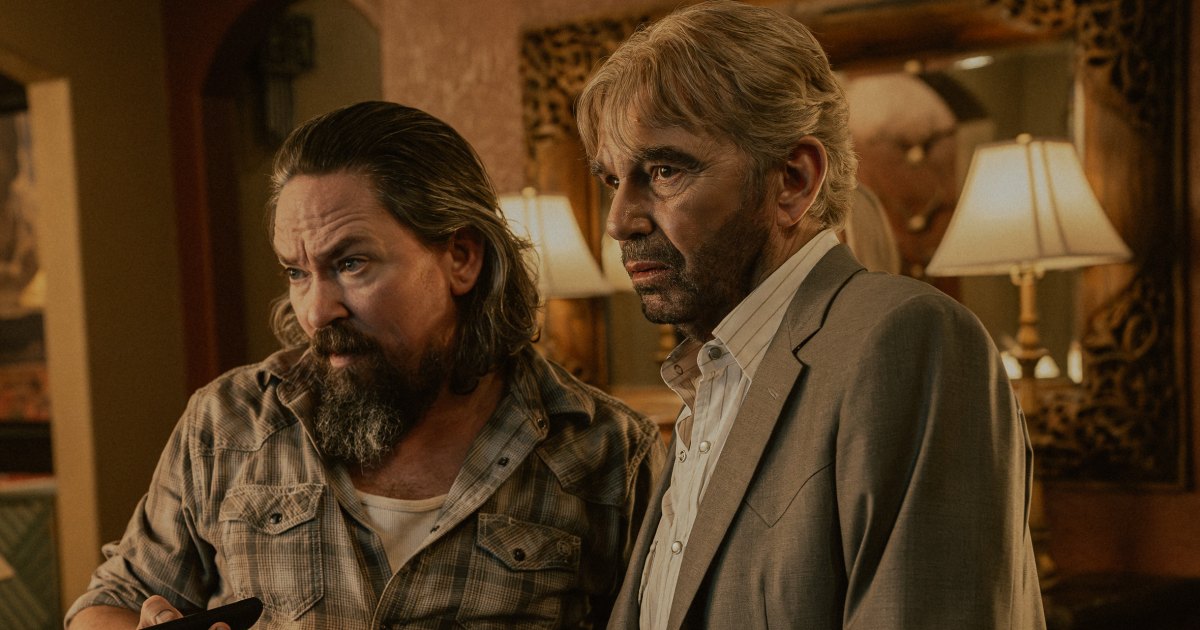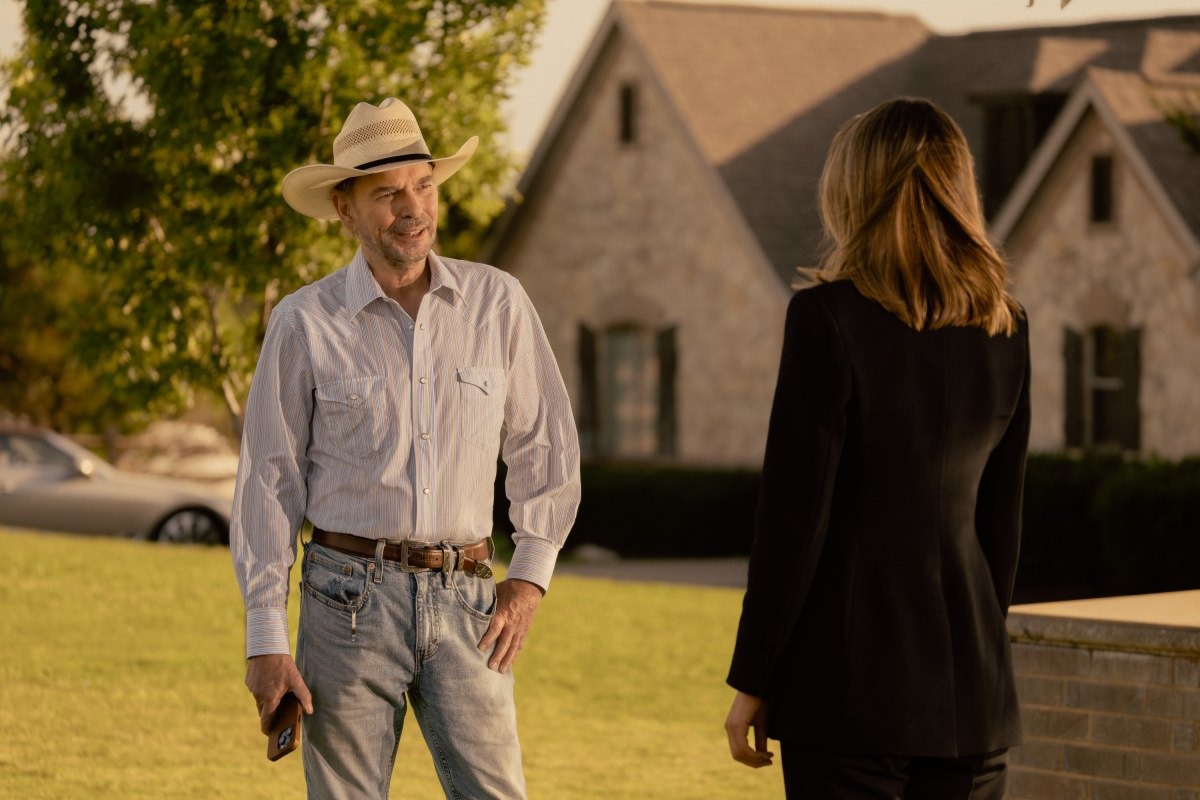
The recalibration of the Landman release schedule represents a pivotal shift in the operational strategy of Paramount+ and the Taylor Sheridan production machine. By abandoning the annualized November premiere cycle established during the 2024–2025 period, the network is transitioning from a rigid release cadence to a fluid, talent-centric model designed to preserve the integrity of its highest-value IPs.
The Systemic Fragility of the Sheridan Ensemble Model
The primary catalyst for the Season 3 delay is an operational bottleneck caused by the overlapping commitments of the ‘Sheridan Stable’—a recurring group of actors who anchor multiple franchises. James Jordan, a cornerstone of this ensemble, is currently managing a production trifecta involving Special Ops: Lioness, The Madison, and Landman.
This reliance on a trusted talent pool ensures brand consistency but introduces a single point of failure: the scheduling conflict. In a centralized creative ecosystem where one showrunner and a handful of actors manage five or more concurrent series, a single filming delay cascades through the entire portfolio. Paramount’s decision to wait for Jordan, rather than recasting, confirms that ‘ensemble chemistry’ is now viewed as an irreplaceable asset that outweighs the need for immediate content volume.
Creative Continuity as Operational Leverage
Despite the hiatus, the return of director Stephen Kay and the stability of lead Billy Bob Thornton provide essential creative continuity. In high-budget prestige television, maintaining a consistent directorial vision is a form of operational leverage; it ensures that once production resumes in Fort Worth in September, the ‘ramp-up’ period is minimized through established workflows.
Furthermore, Jordan’s public reassurances regarding his character, Dale, serve as a strategic communication tactic to mitigate ‘fan churn’ during a prolonged absence. By signaling narrative stability, the production team maintains engagement without requiring the marketing spend associated with a mid-hiatus teaser campaign.
The Macro-Financial Rationale for the 2027 Window
Moving Landman Season 3 into 2027 carries significant implications for Paramount Global’s quarterly reporting. While the absence of a Q4 2026 tentpole may impact short-term subscriber growth, the delay allows the network to amortize production costs over a longer fiscal period. This pivot reflects a broader industry trend: prioritizing ‘profitability and quality’ over ‘subscriber acquisition at any cost.’
The 10-episode structure of the upcoming season suggests a high-density narrative approach. With Taylor Sheridan utilizing the extra development time to refine the script—moving from the factual roots of the Boomtown podcast to a more complex dramatization—the network is betting that a superior 2027 product will generate higher long-term licensing and retention value than a rushed 2026 release.
Institutional Scaling and the Future of the Sheridan-verse
The Landman delay serves as an institutional case study on the limits of scaling a single-creator universe. As Sheridan’s portfolio expands (Yellowstone, Mayor of Kingstown, Tulsa King), the administrative capacity of the production pipeline is being tested. This 2027 pivot may signal a future move toward a more decentralized showrunning model to prevent talent-induced gridlock.
Ultimately, the delay is a defensive maneuver to protect the ‘Sheridan Brand.’ In the competitive landscape of premium streaming, the long-term risk of brand dilution due to subpar production far exceeds the short-term cost of a delayed release. Paramount+ has opted for a strategic retreat to ensure that when Landman returns, it does so with the cinematic scale that defined its initial success.