
Beyond the Anthems: Analyzing the Reputational and Operational Stakes of 2026 MLB All-Star Performances
The 2026 Major League Baseball All-Star Game in Philadelphia, steeped in patriotic fervor celebrating the nation’s 250th birthday, became an unexpected crucible for live performance analysis. Two high-profile musical renditions—Patti LaBelle’s delivery of the national anthem and Jennifer Hudson’s ‘God Bless America’—ignited dramatically divergent public reactions, illuminating critical insights into live event execution, artist reputational management, and the palpable influence of audience expectations in high-stakes ceremonial contexts.
Hosted at Citizens Bank Park, the Midsummer Classic’s proximity to Independence Hall and the nation’s milestone anniversary amplified the symbolic weight of its pre-game ceremonies. This context rendered the performances of ‘The Star-Spangled Banner’ and ‘God Bless America’ particularly sensitive to public scrutiny, setting a high bar for reverence and precision.
Patti LaBelle’s Anthem Performance: A Case Study in Public Backlash and Operational Risk
Patti LaBelle, an 82-year-old two-time Grammy winner, faced immediate and widespread online criticism following her rendition of the national anthem. Social media users on X decried her performance as ‘horrible’ and ‘completely disrespectful,’ specifically citing perceived omissions of words and an extended duration that deviated significantly from traditional interpretations. This reaction underscores the collective cultural expectation for solemnity and accuracy during the performance of national symbols, particularly within such a patriotically charged environment.
The intense negative sentiment highlights the inherent operational risks in live, culturally significant performances, especially when an artist’s interpretation challenges established norms. For LaBelle, a legendary figure, the incident exposed the vulnerability of even established artists to real-time public judgment in the digital age, demonstrating how a single performance can swiftly influence public perception, momentarily overshadowing a venerable legacy.
For Major League Baseball, the fan response presented an immediate reputational challenge. The league’s brand, intrinsically linked to the quality and reception of its marquee events, necessitates meticulous planning and a keen understanding of audience sensitivities to national symbols. The incident served as a potent reminder of the complexities of talent selection and performance management under intense national scrutiny.
Jennifer Hudson’s Acclaimed ‘God Bless America’: Strategic Impact and Brand Reinforcement
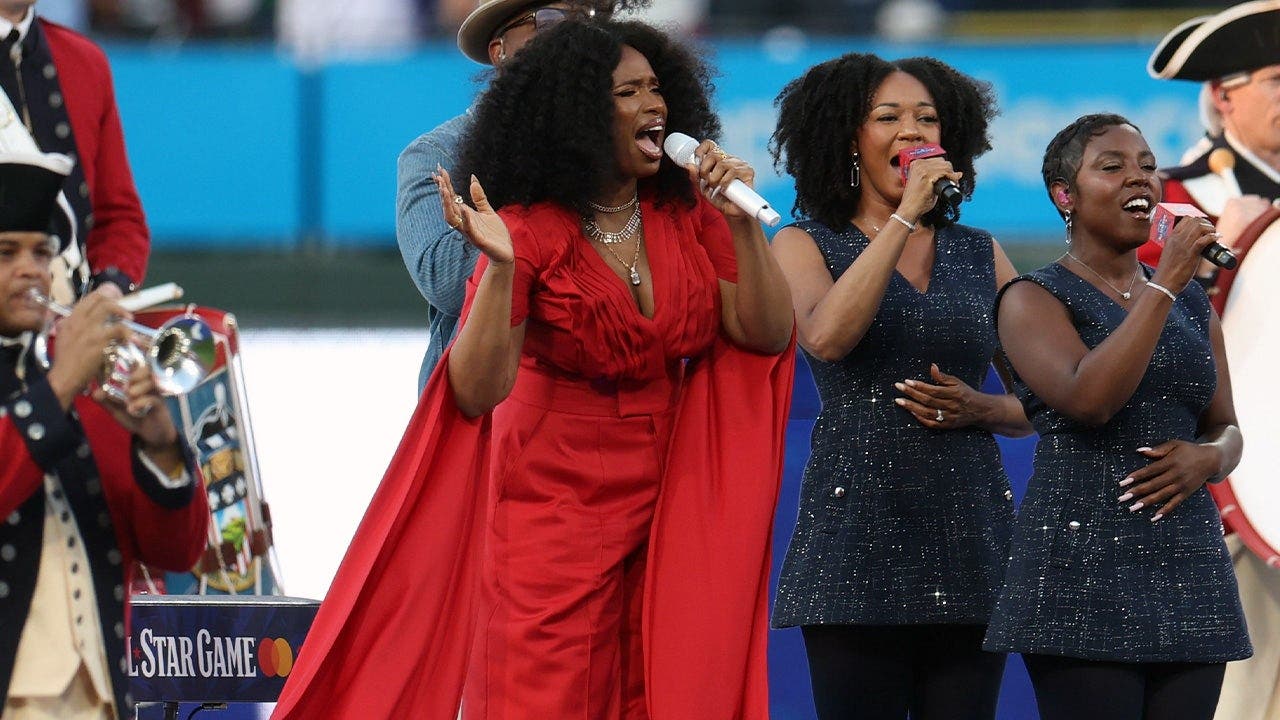
In stark contrast, Jennifer Hudson’s performance of ‘God Bless America’ garnered enthusiastic praise, with social media users describing it as a ‘stirring rendition’ that ‘brought down the house.’ This positive reception immediately fortified Hudson’s professional standing as a reliable and impactful performer for major public events, showcasing her ability to deliver with precision and emotional resonance.
The explicit credit given to Hudson’s agent for securing this high-profile engagement highlights the strategic imperative of adept talent representation in the competitive entertainment landscape. A successful performance at an event of this magnitude directly translates into enhanced marketability, increased booking fees, and expanded opportunities for future high-value appearances.
Indeed, this acclaimed MLB All-Star performance functioned as a significant strategic and operational benchmark for Hudson’s career trajectory, serving as a powerful tune-up for her subsequent participation in the FIFA World Cup Final ceremony. This sequence of high-visibility engagements demonstrates a deliberate and successful strategy to leverage each platform for global momentum.
For event organizers like MLB, Hudson’s success provides a clear standard for the caliber of talent sought for ceremonial roles, emphasizing the paramount importance of securing artists who can consistently deliver impactful performances aligned with audience expectations for brand integrity and satisfaction.
Operational Complexities and Strategic Imperatives in Live Event Production
The divergent outcomes of these two performances offer critical insights into the operational complexities and strategic imperatives inherent in major live event production:
- Talent Vetting & Alignment: Talent selection must balance an artist’s legacy and public appeal with their current performance capabilities and stylistic alignment with the event’s specific tone and cultural expectations, particularly for symbolic national anthems.
- Real-time Risk Management: Live broadcasts demand robust risk management protocols that account for the unpredictable nature of human performance under intense scrutiny. The immediate, unfiltered feedback loop of social media necessitates proactive strategies for managing public perception in real-time.
- Cultural Resonance & Context: National anthems at major sporting events are institutional rituals reinforcing national identity. The 250th-anniversary context in Philadelphia amplified the symbolic weight, making traditional, respectful renditions critical for uniting the audience rather than sparking division. Hudson’s alignment with this institutional reverence contributed significantly to her positive reception.
- Financial & Reputational Stakes: For artists, successful high-profile performances lead to increased market value and expanded opportunities. Conversely, poorly received performances, irrespective of established fame, can introduce significant reputational challenges affecting future engagements. For leagues, the brand value is inextricably linked to the quality and reception of these ceremonial moments.
The Pervasive Influence of Digital Media on Brand Value and Public Perception
Social media platforms like X have become indispensable, albeit volatile, arbiters of public opinion for live events. The instantaneous dissemination of reactions, both positive and negative, creates a real-time feedback mechanism that can rapidly define and shift the narrative surrounding a performance. This dynamic environment forces event organizers and artist management to closely monitor social media, understanding that public perception is shaped not solely by traditional media but by a decentralized network of audience commentary.
The amplification of fan sentiment directly impacts the perceived brand value of both the performing artist and the hosting organization. For MLB, the swift online critique of LaBelle’s performance necessitated implicit management of public discourse. Conversely, the ability to generate positive buzz, as seen with Hudson, becomes a significant asset in quantifying a performance’s success by its resonance across digital platforms.
Long-Term Strategic Consequences and Industry Learnings
For Patti LaBelle, the incident at the 2026 MLB All-Star Game serves as a critical inflection point, potentially prompting a re-evaluation of her live performance strategy for high-profile, high-scrutiny events. While her formidable legacy endures, such public critiques can undeniably influence future booking decisions and audience expectations for her appearances.
Conversely, Jennifer Hudson’s acclaimed performance solidifies her position as a top-tier choice for major global ceremonies, including the upcoming FIFA World Cup Final. This consistent delivery builds a powerful professional reputation, translating into sustained demand and significant financial opportunities, establishing her as a benchmark for live event excellence.
Major League Baseball, as an institution, gains invaluable insights into the nuances of talent procurement and performance management for its tentpole events. The contrasting outcomes underscore the strategic imperative of clear performance guidelines, thorough vetting, and proactive risk mitigation to safeguard reputational assets associated with ceremonial duties.
Ultimately, the events of the 2026 MLB All-Star Game profoundly highlight the dynamic interplay between artistic expression, evolving audience expectations, and the pervasive influence of digital media in shaping public perception. The immediate and lasting strategic consequences for both artists and the league demonstrate how a single live performance can significantly impact the interconnected industries of entertainment and sports.