The 2026 Orange County Fair in Costa Mesa represents a sophisticated exercise in asset utilization and market segmentation, extending its operational footprint well beyond the traditional fair window. By scheduling the Toyota Summer Concert Series to begin on July 11—six days prior to the fair’s official July 17 opening—organizers are effectively lengthening the revenue-generating lifecycle of the Pacific Amphitheatre. This strategic temporal expansion allows the venue to capture early-summer entertainment spend while decoupling high-value concert attendance from the logistical peak of the general fair admission.
Strategic Programming and Risk Mitigation
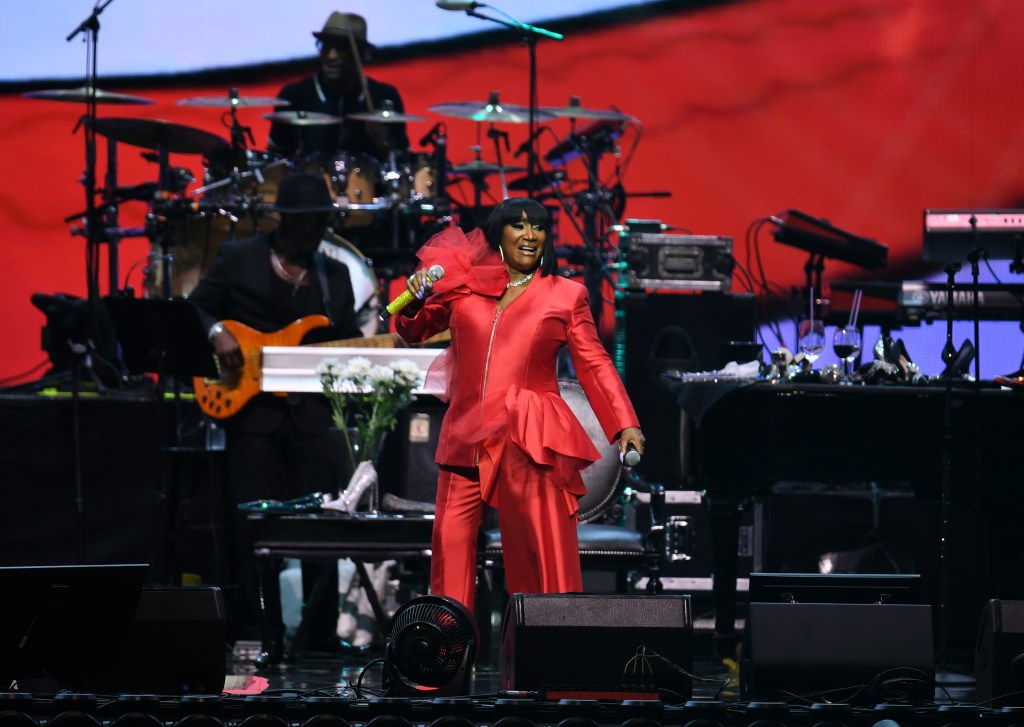
The selection of performers for the 2026 season reflects a calculated diversification of demographic appeal designed to stabilize ticket yields across a month-long residency. The inclusion of legacy acts such as Willie Nelson and Diana Ross serves to anchor the high-net-worth adult demographic, while contemporary bookings like Steve Aoki and Tyga target the high-frequency youth market. This multi-genre approach, which also encompasses reggae-rock via The Elovaters and classic pop through Culture Club, mitigates the financial risk associated with niche market fluctuations and ensures consistent occupancy rates for the Pacific Amphitheatre.
Furthermore, the integration of tribute acts at The Hangar provides a lower-overhead alternative to the primary amphitheater, allowing the fair to maintain a continuous entertainment schedule without the capital intensity of top-tier national tours. By offering same-day fair admission with most Pacific Amphitheatre tickets, the organization creates a powerful cross-promotional incentive that drives foot traffic into the concessions and carnival areas. This bundling strategy effectively converts a single-purpose concert-goer into a multi-point consumer within the fair’s broader ecosystem, maximizing the per-capita spend across the grounds.
Ticketing Architecture and Liquidity Management
The 2026 ticketing structure prioritizes early capital inflow and operational predictability through a series of advance-purchase incentives and tiered access models. The Carnival Dream Pass and various Family Bundles, available exclusively through July 16, function as liquidity-generating tools that secure revenue before the gates even open. These pre-fair sales provide a financial buffer against potential weather-related disruptions or fluctuations in daily gate attendance, shifting a portion of the economic risk from the organizer to the consumer in exchange for perceived value.
Operational efficiency is further addressed through the ‘Smart Start’ admission program, which offers discounted entry on Wednesdays and Thursdays between 11 a.m. and 1 p.m. This pricing tactic is a classic example of load balancing, designed to incentivize attendance during historically low-occupancy windows. By shifting the crowd density away from peak weekend hours, the fair can optimize its staffing levels and reduce the strain on physical infrastructure, thereby improving the overall consumer experience and operational safety margins.
Food Service Economics and Standardized Pricing
The introduction of KP’s Kids Place and its $10 standardized meal vouchers represents a significant shift toward predictable, high-volume food service logistics. By offering advance online purchase for these vouchers, the fair simplifies the transaction process and allows for more accurate inventory forecasting for participating vendors. This model reduces the friction of on-site decision-making for families, a key demographic that drives a substantial portion of the fair’s non-ticket revenue.
Complementing this is the return of the $5 ‘Taste of Fair’ promotion, which serves as a strategic volume-driver during the daylight hours. By capping the price of smaller portions until 5 p.m., the fair encourages early-day exploration of the culinary offerings, potentially increasing the total number of unique vendor interactions per guest. This strategy not only supports smaller vendors by increasing their exposure but also reinforces the fair’s value proposition in a highly competitive regional summer entertainment market.
Institutional Impact and Regional Positioning
The 2026 theme, ‘Your Adventure Awaits,’ serves as a marketing framework to unify the disparate elements of the fair—from agricultural exhibits to high-energy concerts—into a cohesive brand narrative. This institutional positioning is critical for maintaining the fair’s relevance in an era of increasing digital entertainment options and competing regional attractions. The focus on family-friendly deals and free activities included with admission is a deliberate effort to maintain the fair’s status as a primary community asset while simultaneously operating as a high-performance commercial entity.
The downstream effects of the fair’s extended concert series and robust attendance projections are significant for the Costa Mesa economy and the broader Orange County region. The post-fair performances by artists like Alison Krauss and Union Station ensure that the economic momentum generated during the fair’s run does not dissipate immediately upon the closing of the carnival gates. This extended engagement model maximizes the return on investment for the physical infrastructure of the OC Fair & Event Center, positioning it as a year-round hub for cultural and economic activity rather than a seasonal anomaly.