The Borglum Limit: Executive Ambition vs. Geological Stasis
President Donald Trump’s return to Mount Rushmore serves as a case study in the friction between political branding and physical reality. While rhetorical interest in expanding the monument persists, the 1936 technical assessment by lead sculptor Gutzon Borglum remains a definitive barrier. Borglum identified critical structural fractures in the Black Hills granite that preclude the addition of a fifth likeness without risking the catastrophic collapse of the existing carvings. Consequently, executive ambition encounters a rare hard limit: a geological stasis that cannot be bypassed by administrative decree.
This tension highlights a shift in legacy-building. Where previous administrations sought permanence through policy, the current strategy emphasizes the occupation of iconic spaces. By aligning a modern political identity with the nation’s 250th anniversary, the administration attempts to secure a symbolic, if not literal, place on the mountain. The restricted access and high-security cordons transform a public shrine into a controlled environment for institutional messaging.
Sovereign Assets: The Library-Ownership Model
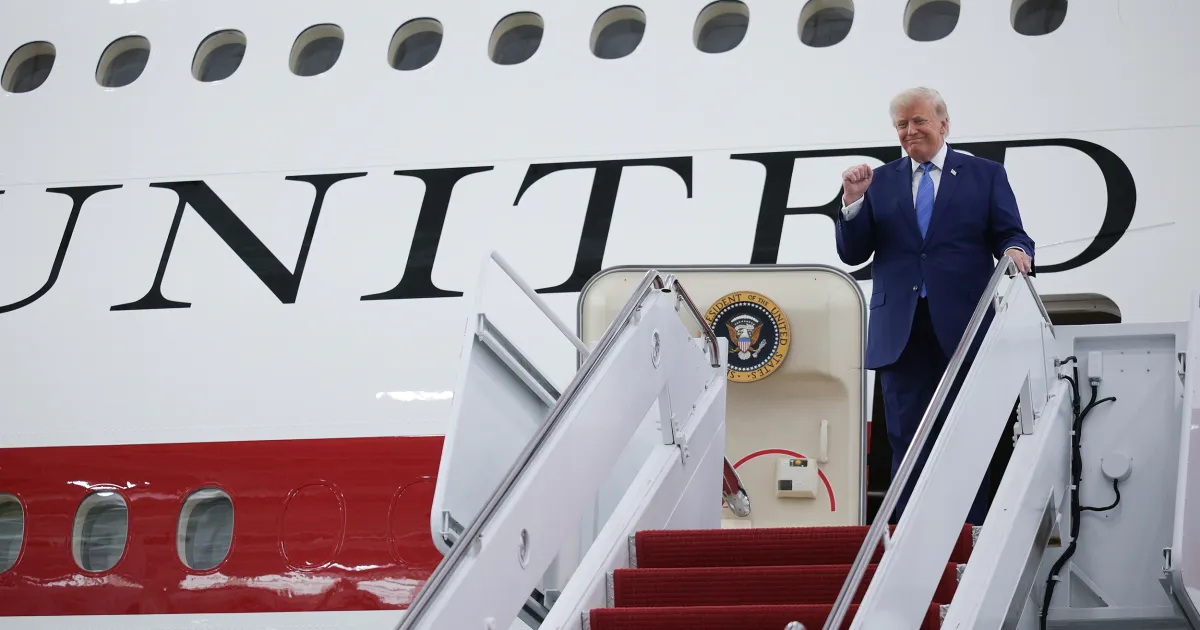
The logistics of the visit are defined by the utilization of a $400 million aircraft gifted by the State of Qatar. To navigate the complexities of the Foreign Emoluments Clause, the asset is held under a temporary federal custody arrangement. The strategic innovation lies in the planned transfer of the jet to the future presidential library. This ‘library-ownership model’ creates a legal conduit for the long-term retention of high-value foreign gifts, effectively privatizing sovereign assets under the guise of historical preservation.
This maneuver represents a sophisticated evolution in executive compensation and asset management. By categorizing the aircraft—a significant financial instrument of foreign diplomacy—as a future archive component, the administration establishes a precedent for how global wealth can be integrated into a post-presidential infrastructure. This structure warrants scrutiny for its impact on diplomatic norms and the intersection of private interest with public office.
Regulatory Arbitrage and Ecological Risk
The reintroduction of fireworks at the site necessitated the suspension of an 11-year environmental ban, originally implemented due to the high risk of wildfires and perchlorate contamination in the groundwater. This executive override prioritizes the visual impact of the event over the precautionary principles of the National Park Service. The decision reflects a broader pattern of regulatory arbitrage, where established environmental protections are treated as negotiable obstacles rather than permanent safety mandates.
The Black Hills National Forest remains a vulnerable ecosystem; the decision to proceed despite local land managers’ concerns shifts the liability of potential catastrophic fire onto the federal government. This trade-off—sacrificing long-term ecological stability for immediate symbolic capital—underscores a preference for high-impact optics. Stakeholders are left to navigate the consequences of a regulatory framework that can be dismantled for the duration of a single media event.
Institutional Branding and the Architecture of Presence
Beyond the monument itself, the administration has pursued a systematic strategy of aesthetic hegemony. From the naming of infrastructure like the Florida airport to influencing federal architectural standards, there is a concerted effort to institutionalize a personal brand within the national landscape. These actions diverge from traditional bureaucratic neutrality, favoring permanent markers of executive presence that bypass the usual legislative filters.
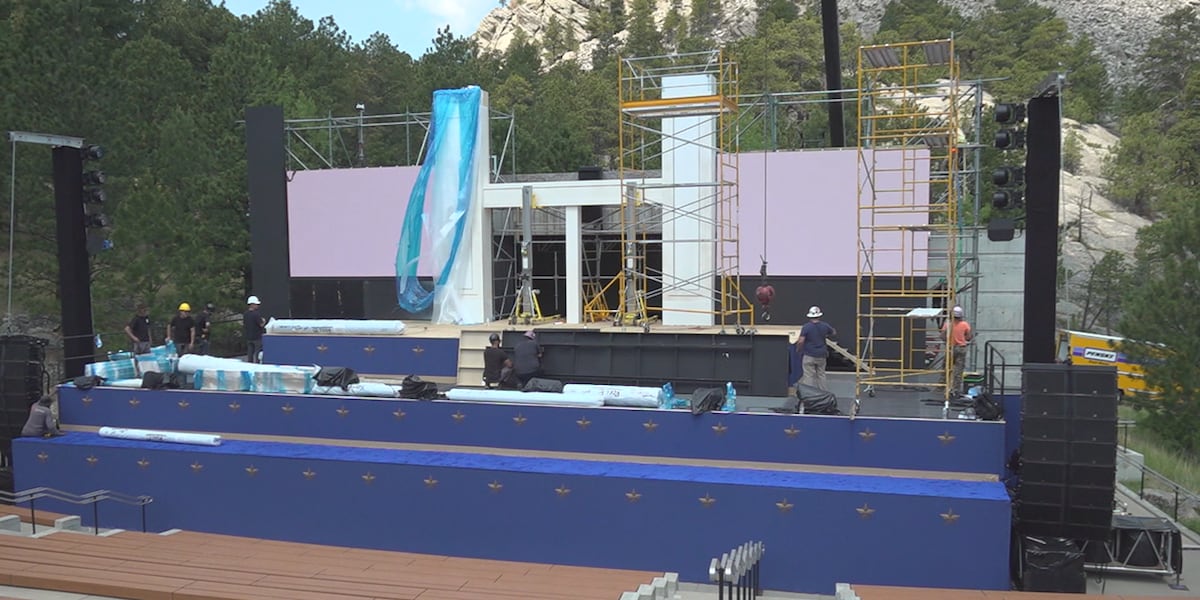
The Mount Rushmore event is the apex of this strategy. By physically reconfiguring the amphitheater and deploying round-the-clock crews to modify the public space, the administration asserts a temporal ownership over the site. While the granite may remain unchanged, the narrative surrounding it is successfully recalibrated to center on the current executive, utilizing the monument as a high-value backdrop for a broader program of national rebranding.