The Macroeconomic Paradox of Holiday Spending Resilience
The convergence of volatile consumer sentiment and record-breaking holiday spending projections presents a complex operational landscape for the food and beverage sector. According to the National Retail Federation’s annual survey, conducted by Prosper Insights & Analytics, Father’s Day spending is projected to reach an unprecedented $27.9 billion. This figure represents a 16 percent year-over-year increase, signaling a highly resilient consumer segment willing to allocate capital toward celebratory events despite broader economic headwinds.
For national restaurant chains and quick-service operators, this macroeconomic divergence highlights the critical importance of targeted promotional campaigns. While general consumer confidence exhibits elasticity, holiday-specific spending behaves under different economic rules: emotional utility overrides standard budgetary constraints. Brands that successfully position themselves within this high-value spending window stand to capture significant market share during a highly competitive seasonal peak.
The shift in individual spending targets further underscores this commercial opportunity, with average per-capita consumer spend rising to $227, up from $199 in the prior year. This elevated allocation indicates that consumers are consolidating discretionary capital to purchase higher-value experiential services or premium goods. Restaurant operators must align pricing strategies and promotional bundles to capture this elevated average order value (AOV), ensuring their offerings match the premium expectations of the market.
The Battle for Market Share: Experiential Dining vs. Traditional Retail
The allocation of Father’s Day budgets reveals a highly competitive dynamic between traditional physical goods and experiential services. NRF data indicates that while greeting cards remain the most frequent purchase at 60 percent, and clothing follows closely at 58 percent, a substantial 55 percent of consumers plan to treat their fathers to a special outing. This high demand for experiential dining puts food service establishments in direct competition with traditional retail sectors for a share of wallet.
To capture this 55 percent segment, national brands deploy aggressive promotional strategies designed to lower the barrier to entry for family dining. By offering high-value incentives, such as buy-one-get-one (BOGO) deals and substantial order discounts, restaurants actively position dining out as a high-utility alternative to physical gifts. This competitive positioning is crucial for driving physical foot traffic and maximizing table turnover during the high-volume holiday weekend.
Furthermore, the strategic timing of these promotions allows brands to capture early demand and extend the traditional holiday shopping window. By launching campaigns several days prior to the official holiday on June 21, operators can smooth out demand curves and reduce operational strain on kitchens and staff. This multi-day approach also increases the frequency of consumer interactions, maximizing customer lifetime value (LTV) throughout the promotional window.
Digital Infrastructure and First-Party Data Acquisition
A prominent trend among Father’s Day promotions is the heavy reliance on proprietary digital applications and loyalty programs to deliver value. Brands like Jimmy John’s, 7-Eleven, and Taco Bell are restricting their most lucrative offers to users of their digital platforms. This operational decision highlights an industry-wide shift toward using seasonal holidays as high-leverage customer acquisition events for digital ecosystems.
Jimmy John’s, for instance, is offering a buy-one-get-one toasted sandwich promotion from June 18 to June 21, specifically targeting its JJ Rewards members. By requiring a specific promotional code within their app or online portal, the brand incentivizes app downloads and rewards program enrollment. This strategy not only drives immediate sales volume but also secures valuable first-party customer data that can be leveraged for targeted marketing campaigns long after the holiday concludes.
Similarly, 7-Eleven is leveraging its 7Now delivery app on June 21 to offer a substantial $10 discount on purchases of $20 or more. This promotion serves a dual purpose: it increases average order value via a minimum spend threshold and drives adoption of the brand’s proprietary delivery infrastructure. By bypassing third-party delivery aggregators, 7-Eleven retains greater control over the customer experience and preserves profit margins on high-volume holiday orders.
Promotional Mechanics and Strategic Margin Preservation
Designing effective holiday promotions requires a delicate balance between offering compelling consumer value and maintaining sustainable operating margins. Quick-service and fast-casual brands utilize specific promotional mechanics, such as BOGO offers and structured percentage discounts, to optimize inventory and manage food costs (COGS). These promotions allow operators to drive high volume while mitigating the margin erosion typically associated with deep discounting.
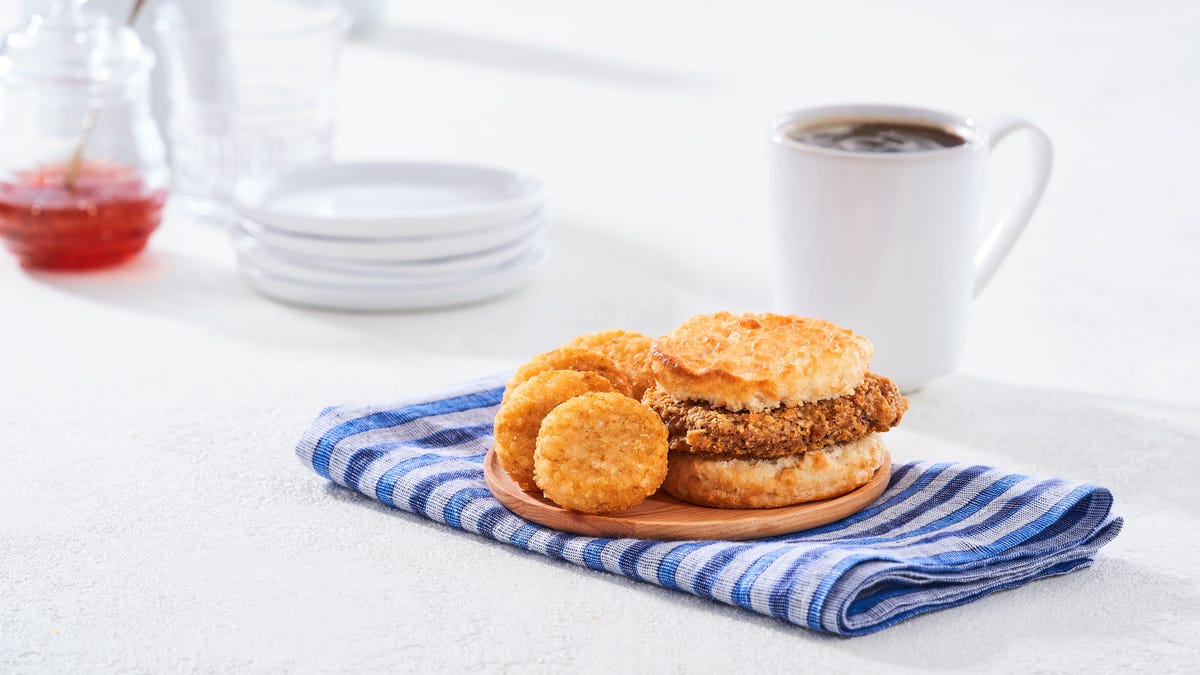
Bojangles’ implementation of a buy-one-get-one free breakfast deal represents a classic volume-driving tactic designed to capture early-morning foot traffic. Breakfast items carry lower food cost percentages, making them ideal candidates for BOGO promotions that can be offset by high-margin add-ons like coffee and side dishes. This operational strategy relies on cross-selling to ensure that the overall transaction remains highly profitable despite the complimentary item.
In contrast, Edible Arrangements is utilizing a straight 15 percent discount on its Father’s Day collection through June 20, while explicitly excluding Skittles products from the promotion. This exclusion highlights the strategic management of supply chain costs and licensing agreements, where certain high-cost or third-party branded items must be protected from margin compression. By limiting the discount to its core fruit basket offerings, the brand protects its profitability while presenting an appealing value proposition to gift-buyers.
Historical Continuity and the Institutionalization of Demand
The commercial significance of Father’s Day is deeply rooted in its institutional history, which provides a predictable, recurring framework for retail and food service planning. While Mother’s Day was established as a national holiday by President Woodrow Wilson in 1914, Father’s Day was officially designated on the third Sunday in June by President Richard Nixon in 1972. This federal recognition transformed cultural sentiment into a structured, annual economic event that businesses rely on for quarterly revenue forecasting.
This historical institutionalization has allowed the retail and hospitality sectors to develop highly sophisticated, long-term promotional calendars. Because the holiday occurs predictably on the third Sunday of June, supply chains, marketing departments, and franchise networks can align their operations months in advance. This structural predictability reduces the operational risks associated with launching large-scale, nationwide promotional campaigns across thousands of physical locations.
The longevity of the holiday also shapes consumer expectations, establishing dining out and gift-giving as deeply ingrained cultural traditions. For food service brands, this means that demand is highly inelastic compared to non-holiday weekends, allowing them to focus marketing efforts on brand differentiation and market share acquisition rather than demand creation. The historical framework established in 1972 continues to serve as a foundational pillar for modern retail and restaurant revenue strategies.
Operational Implications for Franchisees and Local Operators
While national corporate entities design and market Father’s Day promotions, the operational execution falls squarely on local franchisees and store managers. Executing high-volume campaigns, such as Taco Bell’s delivery-exclusive promotions or Jimmy John’s multi-day toasted sandwich deals, requires precise labor scheduling and inventory management. Failure to anticipate increased demand leads to service bottlenecks, long wait times, and damaged brand reputation.
For quick-service operators, the surge in digital and delivery orders during the June 19 to June 21 window necessitates dedicated assembly lines and optimized packaging stations. Managing the influx of third-party delivery drivers alongside traditional in-store traffic requires robust operational protocols and clear communication. Franchisees must balance increased ingredient usage and labor costs against the projected volume boost to ensure the promotion yields a positive net return.
Additionally, the participation of local stores in national promotions is often subject to regional market conditions and supply chain availability. While national advertising campaigns build broad consumer awareness, participating locations must manage their local inventory to prevent stockouts of key promotional ingredients. This localized operational discipline is what ultimately determines the financial success of nationwide holiday campaigns at the individual store level.