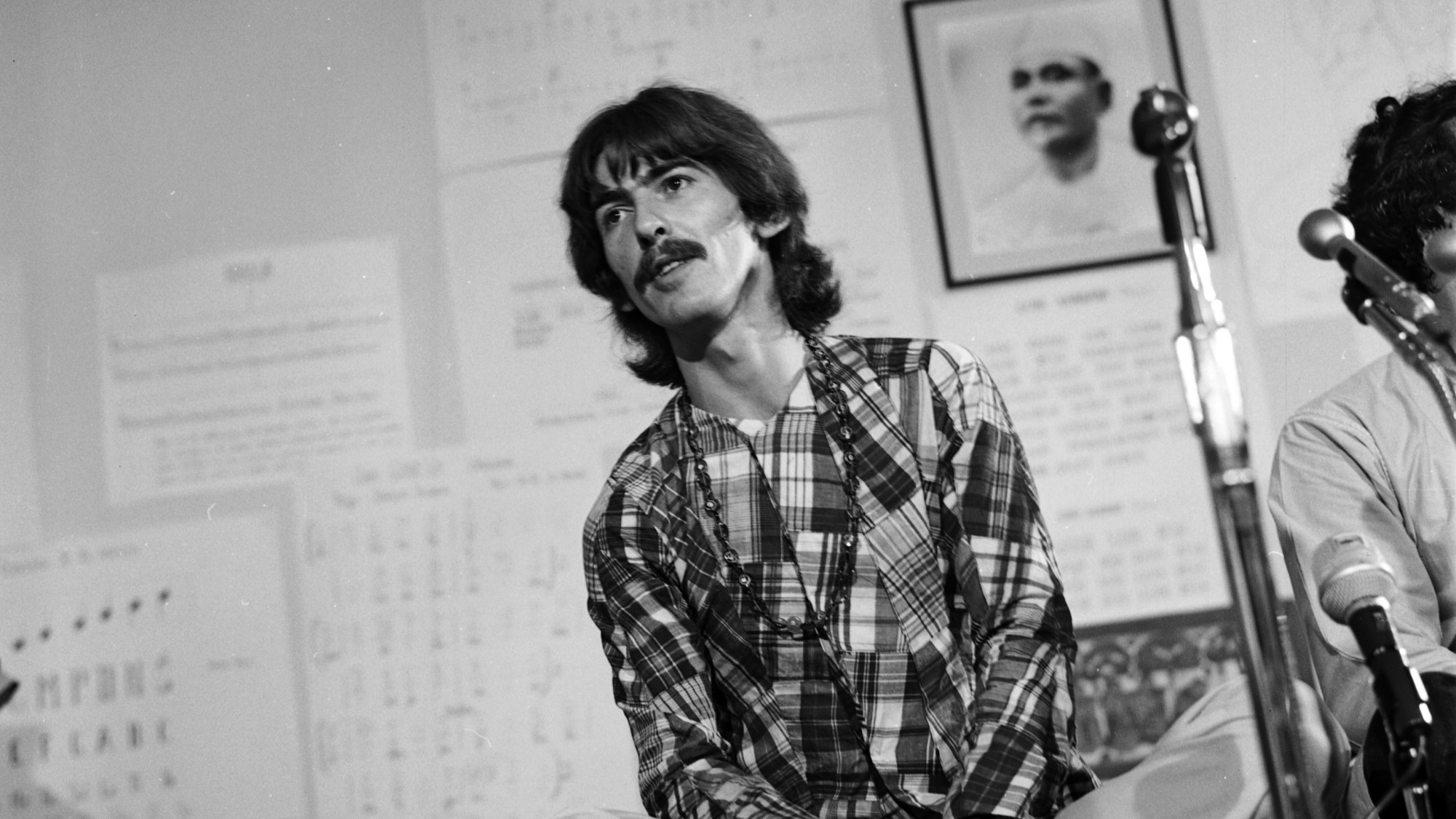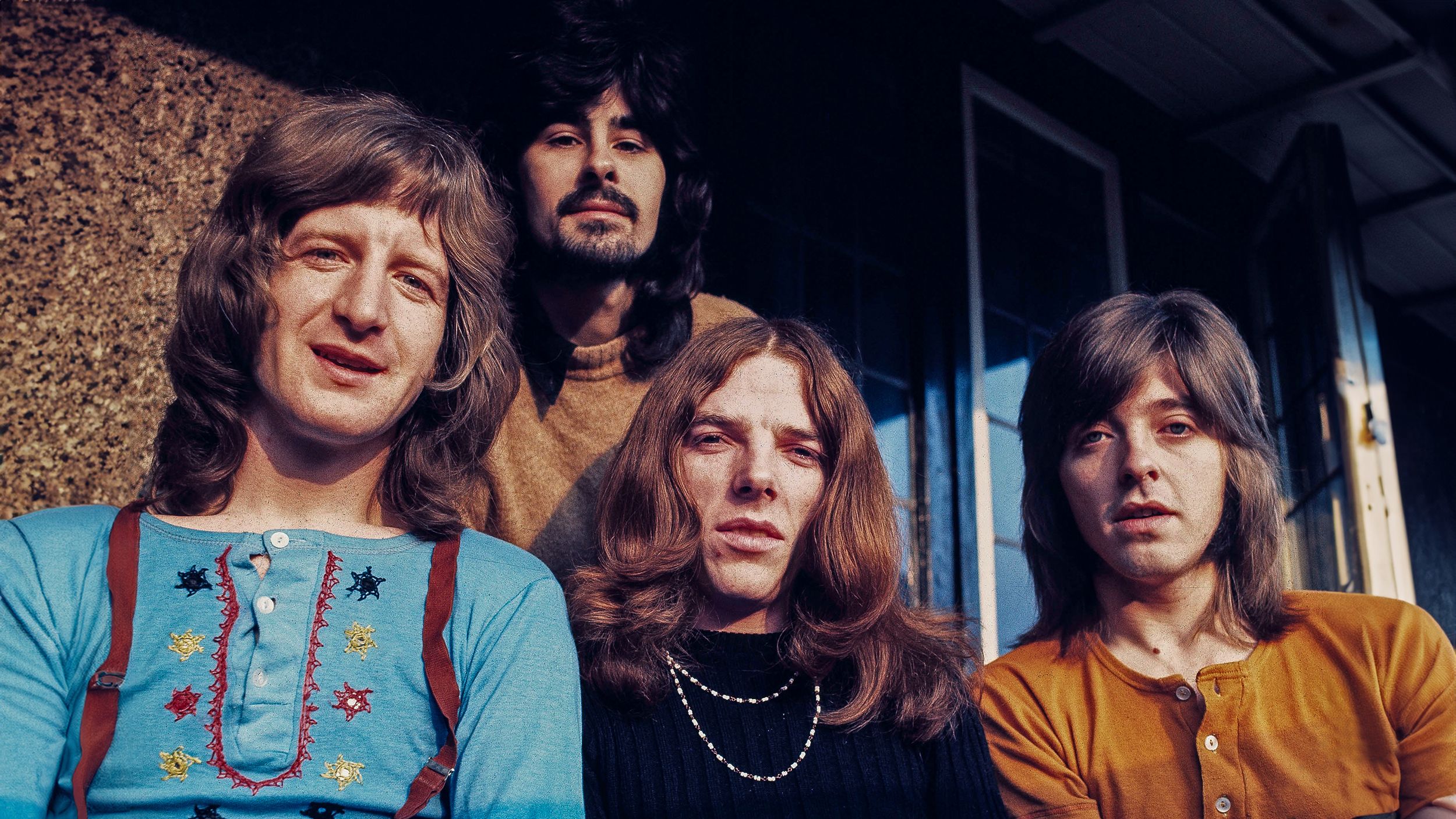
The mid-1971 production cycle at Apple Records marked a decisive shift from a boutique, artist-led collective to a professionalized commercial entity. This transition was catalyzed by an operational vacuum: George Harrison’s abrupt departure from the sessions for Badfinger’s Straight Up. As the label’s most viable contemporary asset, Badfinger’s management became the litmus test for Apple’s post-Beatles institutional stability.
The Harrison Exit and Structural Fragility
George Harrison’s resignation from the producer’s chair—famously punctuated by the declaration, “I’m done”—exposed the inherent risks of Apple’s mentorship model. By operating as both executive gatekeepers and hands-on producers, the former Beatles had created a high-risk dependency. When Harrison’s attention shifted toward the Concert for Bangladesh, he left behind a fragmented project that was essential to the label’s quarterly revenue projections. This crisis necessitated a pivot away from insular, idiosyncratic production toward external technical rigor.
The Rundgren Intervention: Engineering a Sound
The appointment of Todd Rundgren, a 23-year-old rising specialist, represented a calculated modernization of the Apple brand. Rundgren’s task was a salvage operation: transforming Harrison’s unfinished, organic tapes into a high-fidelity product capable of competing in a 1971 market dominated by increasingly sophisticated radio standards. His disciplined approach prioritized melodic clarity and structural cohesion over the looser, collaborative atmosphere of previous sessions.
By distilling the group’s innate melodicism into the polished hooks of “Baby Blue” and “Day After Day,” Rundgren codified the ‘Beatlesque’ aesthetic into a repeatable commercial format. This transition from artist-led mentorship to third-party professional oversight marked a pivotal maturation in the label’s operational history, effectively creating the sonic template for the power-pop genre.
The Strategic Value of the Beatlesque Brand
For Badfinger, the pressure to replicate the success of “No Matter What” was an existential economic imperative. As the only non-Beatle act on the roster with consistent global Top-10 potential, their output sustained the label’s high overhead. The resulting album, Straight Up, was a carefully constructed artifice; its ‘straightforward’ pop appeal was the product of a total overhaul designed to meet specific market expectations for a heritage-aligned sound.
Therein lies a structural irony: while the former Beatles spent the early 1970s diversifying their personal brands to avoid the ‘Beatlesque’ tag, their protégés were required to lean into it. This aesthetic, once a natural byproduct of group chemistry, became a curated asset. As the decade progressed, even the mentors eventually re-engaged with these markers—most notably Harrison’s 1987 collaboration with Jeff Lynne on “When We Was Fab.” This track utilized intentional pastiche, deploying mystical Eastern auras and psychedelic textures to engage a nostalgic market segment through a professionalized lens of memory.
Conclusion: Production as Corporate Governance
The evolution of the Straight Up sessions illustrates the critical role of production in corporate salvage and brand alignment. McCartney’s modern autonomy—transitioning from market-driven production to legacy-driven creation—reflects the final stage of this institutional journey. Ultimately, the transition from Harrison to Rundgren demonstrated that in a fragmenting industry, the strategic deployment of sonic markers is as vital to commercial longevity as the raw creative input of the artists themselves.