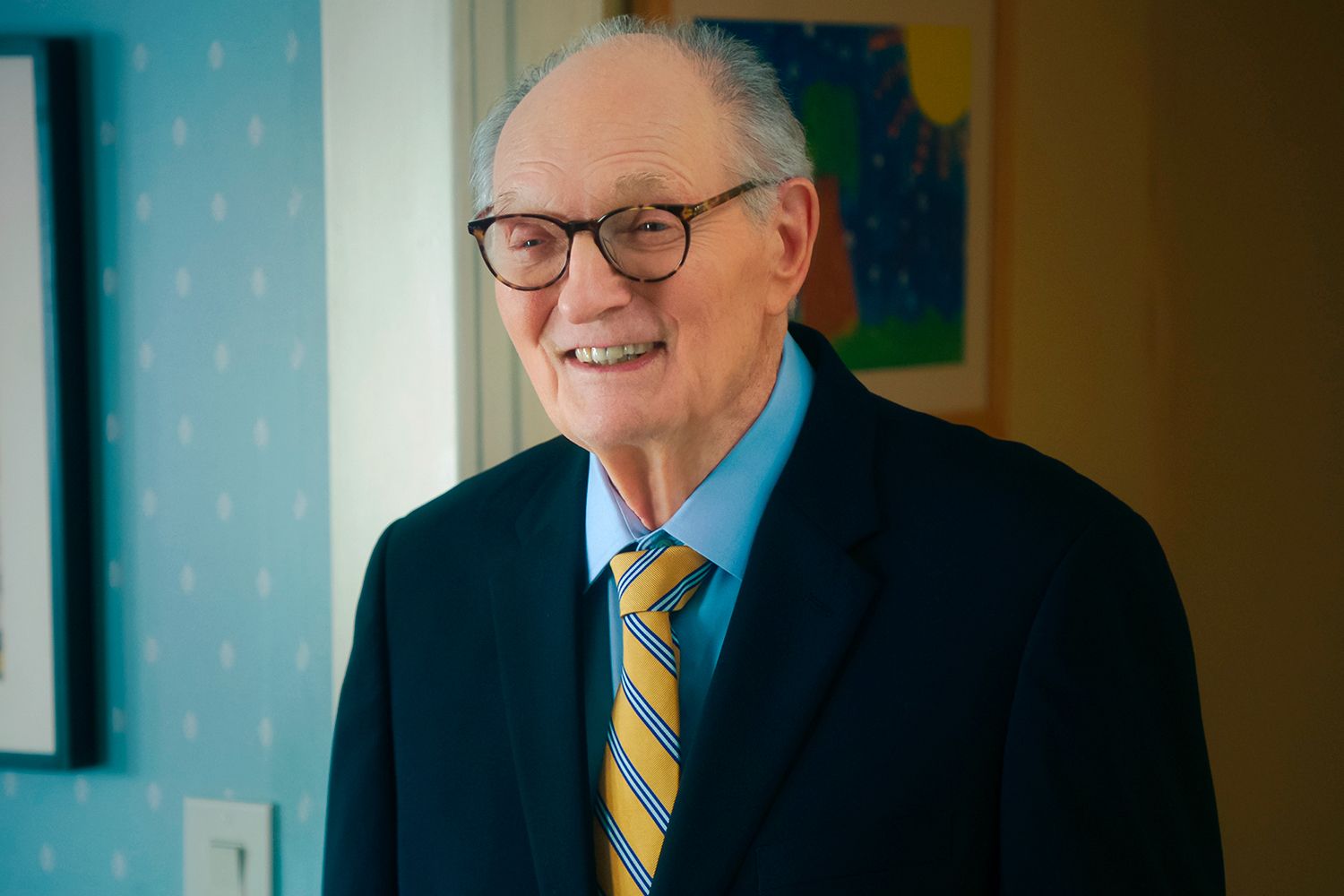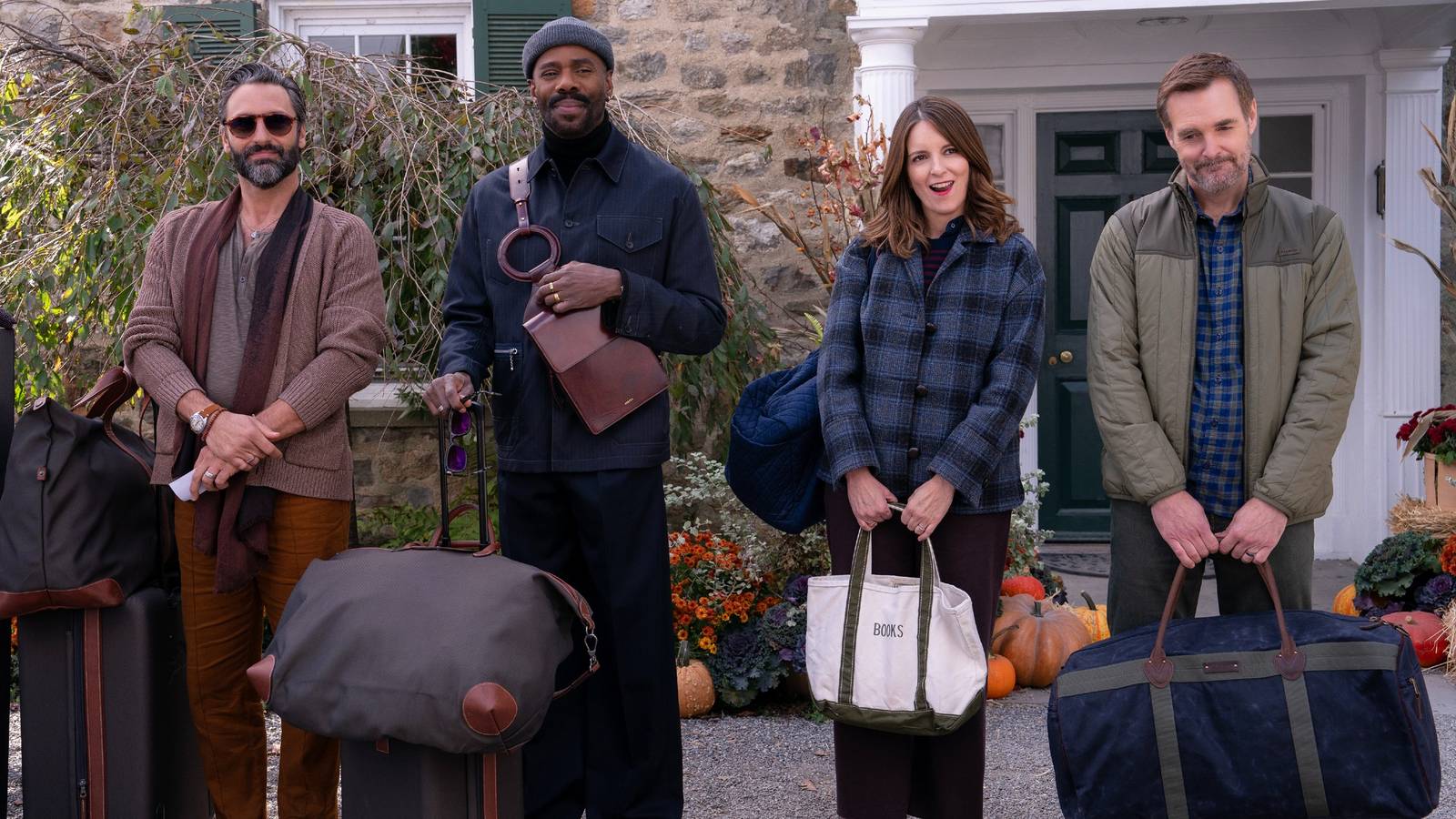
The reintegration of Alan Alda into the second season of Netflix’s The Four Seasons transcends mere nostalgia, serving as a calculated maneuver in institutional legitimacy. By embedding the original creator and star into the reimagined narrative, the production establishes a bridge between traditional Hollywood prestige and contemporary streaming architecture, effectively validating the adaptation for a multi-generational audience.
Institutional Legitimacy via Cinematic Provenance
Alda’s portrayal of Don—father to Anne (Kerri Kenney-Silver)—functions as a vital anchor for the series’ brand identity. This casting leverages the historical capital of the 1981 film to secure transgenerational continuity. It represents a sophisticated iteration of IP management: utilizing the original architect to endorse a new creative direction without diluting the autonomy of the contemporary ensemble. This ‘seal of approval’ mitigates the inherent risks of reviving established properties by providing a tangible link to the source material’s DNA.
Technical Adaptation: Navigating Physicality through Digital Interfaces
The decision to utilize a digital interface—specifically a Zoom call—for Alda’s cameo reflects an acute synchronization of narrative needs and operational realities. Given Alda’s 2015 Parkinson’s diagnosis and his age of 90, the remote format minimizes physical production demands while maximizing emotional resonance. This technical solution demonstrates how modern storytelling can accommodate legacy talent through non-traditional presence, ensuring their involvement remains impactful yet sustainable.
Narrative Scaffolding: The Efficacy of the Pandemic Flashback
The episode “Little Thanksgiving” employs a COVID-era flashback as a structural device to facilitate this return. Beyond providing a plausible context for Alda’s remote appearance, this non-linear approach allows for the seamless re-introduction of characters whose arcs have concluded in the primary timeline, such as Steve Carell’s Nick. This ‘nesting doll’ narrative structure reinforces the intergenerational themes central to the 1981 film, positioning the new series as an expansion rather than a replacement.
Competitive Positioning and Market Risk Mitigation
Netflix’s strategy highlights an industry-wide shift toward high-stakes ‘re-imaginings’ designed to capture diverse demographics. The presence of high-caliber talent like Tina Fey and Will Forte, sanctioned by Alda’s involvement, distinguishes the production from standard episodic fare. Financially, this serves as a risk mitigation strategy; the legacy connection ensures a built-in audience floor, maximizing the lifetime value of subscribers across different age brackets who value both the 1981 classic and modern prestige comedy.
Conclusion: The Blueprint for Legacy Integration
Ultimately, Alda’s involvement serves as a blueprint for future legacy reboots. By balancing the physical realities of veteran actors with advanced narrative framing, The Four Seasons successfully synthesizes history with modernization. The result is a production that feels both fresh and deeply rooted, securing its competitive edge in a saturated streaming market through strategic reverence and creative governance.