Jurisdictional Friction and the Erosion of Sovereign Immunity
The arrest of Christian Castro in Harlingen, Texas, represents a pivotal moment in the evolving legal friction between state-level prosecutors and federal law enforcement. Castro, an agent with U.S. Immigration and Customs Enforcement (ICE), was taken into custody following charges filed by the Hennepin County Attorney’s Office in Minnesota. This move suggests a narrowing of the immunity traditionally granted to federal personnel, as local jurisdictions increasingly assert their police powers to address civilian harm occurring within their borders.
The Department of Homeland Security (DHS) has characterized the prosecution as a “political stunt,” signaling a robust defense of federal supremacy. This institutional pushback highlights the strategic priority DHS places on maintaining exclusive disciplinary control. However, the decision by local prosecutors to pursue four counts of second-degree assault and one count of falsely reporting a crime indicates a shift in the risk profile for federal officers operating in domestic environments.
Systemic Risks of High-Intensity Enforcement Initiatives
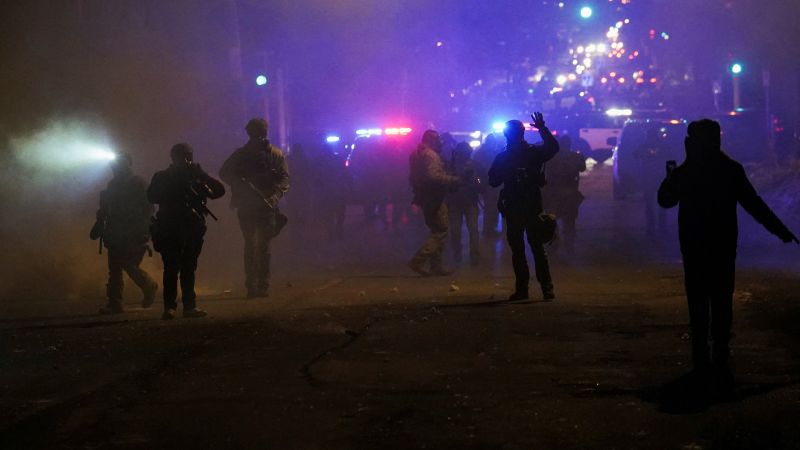
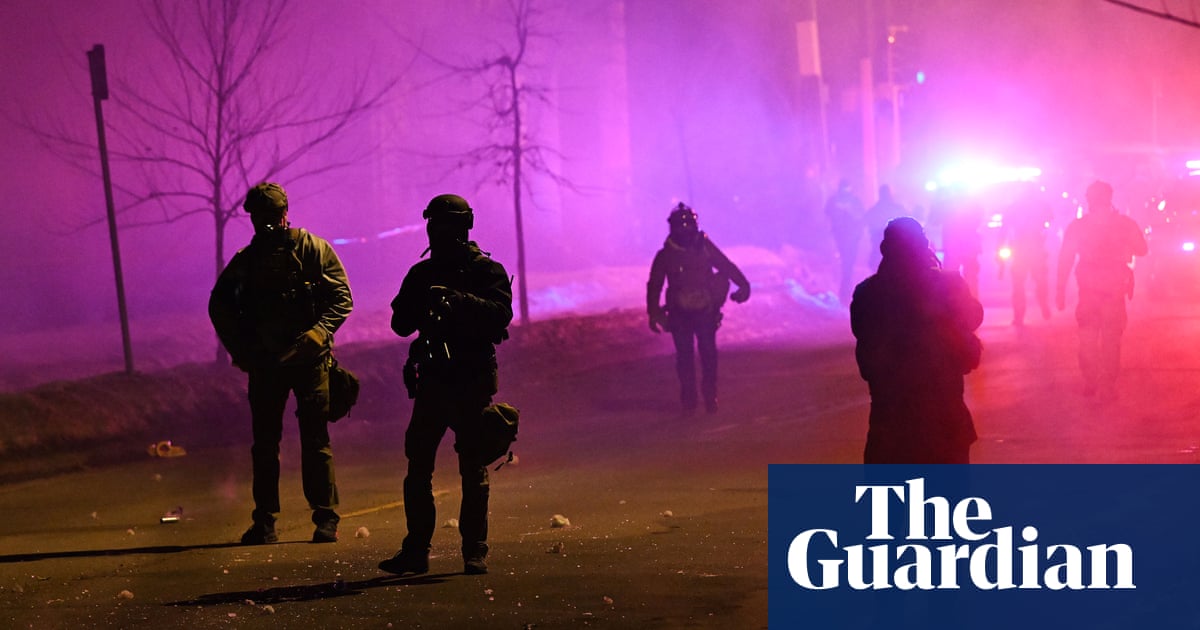
The incident occurred during “Operation Metro Surge,” a high-intensity immigration initiative in Minnesota. While designed to maximize enforcement metrics through concentrated resource deployment, such operations often elevate the risk of tactical errors. The involvement of multiple agents in similar criminal charges during the same operation suggests systemic failures in oversight rather than isolated misconduct.
When federal agencies prioritize surge-style crackdowns, administrative pressure to produce results can inadvertently incentivize aggressive tactics that bypass standard de-escalation requirements. The fallout serves as a case study in performance leverage: while these operations achieve short-term metrics, the long-term strategic cost involves diminished inter-agency cooperation and heightened exposure to criminal litigation.
The Evidentiary Crisis: Digital Surveillance vs. Official Narratives
A critical driver in this prosecution is the emergence of video evidence that contradicts initial field reports. ICE leadership has explicitly acknowledged that agents provided false statements regarding the non-fatal shooting of a Venezuelan national. This discrepancy between sworn narratives and digital evidence creates a profound evidentiary crisis for the agency, undermining the credibility of its operational reporting standards.
The DHS admission that “lying under oath is a serious federal offense” suggests the agency is preparing for internal disciplinary actions, including potential termination. Concurrently, the U.S. Attorney’s Office is investigating the incident, implying that legal consequences may extend into federal criminal prosecution for perjury or obstruction of justice. This multi-layered scrutiny is essential to address the reputational damage caused by the visible mismatch between official accounts and recorded reality.
Strategic Implications for Law Enforcement Hierarchy
This case disrupts the traditional hierarchy of law enforcement, where federal agents were largely shielded from local prosecution. If these state-level charges are sustained, it could redefine the operational boundaries for federal agencies, forcing a recalibration of how use-of-force incidents are documented. Federal motions to remove the case to federal court are expected, as the government seeks to prevent a patchwork of state oversight from dictating national security conduct.
Ultimately, the resolution of the Castro case will serve as a barometer for future federal-state relations. It tests whether state prosecutors can effectively serve as a check on federal power when internal oversight is deemed insufficient. In an era of ubiquitous digital surveillance, the ability of federal agencies to maintain high standards of integrity is under direct challenge, with significant implications for public trust and the future of inter-jurisdictional field operations.