The Strategic Architecture of Spider-Noir
The television adaptation of Spider-Noir represents a calculated evolution in how intellectual property is calibrated for mature audiences. By discarding the high-saturation, cosmic stakes of traditional superhero narratives, the series leverages a grounded, mid-century aesthetic to interrogate the intersection of systemic corruption, investigative journalism, and vigilante justice. This tonal shift is a deliberate diversification strategy for the live-action Marvel and Sony portfolios, establishing a narrative framework where vulnerability and historical realism supersede traditional power fantasies.
At the core of this structural pivot is the tension between public accountability and clandestine operations. The debut season climax, “The Man in the Mask,” serves as the crucible for these dynamics, forcing a confrontation that tests the absolute limits of vigilante anonymity. Analyzing the underlying mechanics of this climax reveals the sophisticated creative and commercial blueprints guiding the expansion of this distinct cinematic universe.
Deconstructing the Climax of “The Man in the Mask”
The narrative resolution of the inaugural season hinges on a high-stakes tactical trap orchestrated by the mob boss Silvermane, portrayed by Brendan Gleeson. Operating on the calculated hypothesis that Ben Reilly (Nicolas Cage) is the vigilante known as The Spider, Silvermane engineers a lethal dilemma inside a secure club, targeting singer Cat Hardy (Li Jun Li) to force Reilly into an operational error.
This scenario employs a classic noir trap designed to weaponize the protagonist’s moral imperatives. Reilly faces a binary crisis: deploy his superhuman capabilities to save an innocent ally—thereby confirming his identity to a powerful criminal syndicate—or maintain his anonymity and permit a catastrophic casualty. The scene’s tension relies on the audience’s understanding that exposure in a hostile, crime-dominated environment is an absolute death sentence.
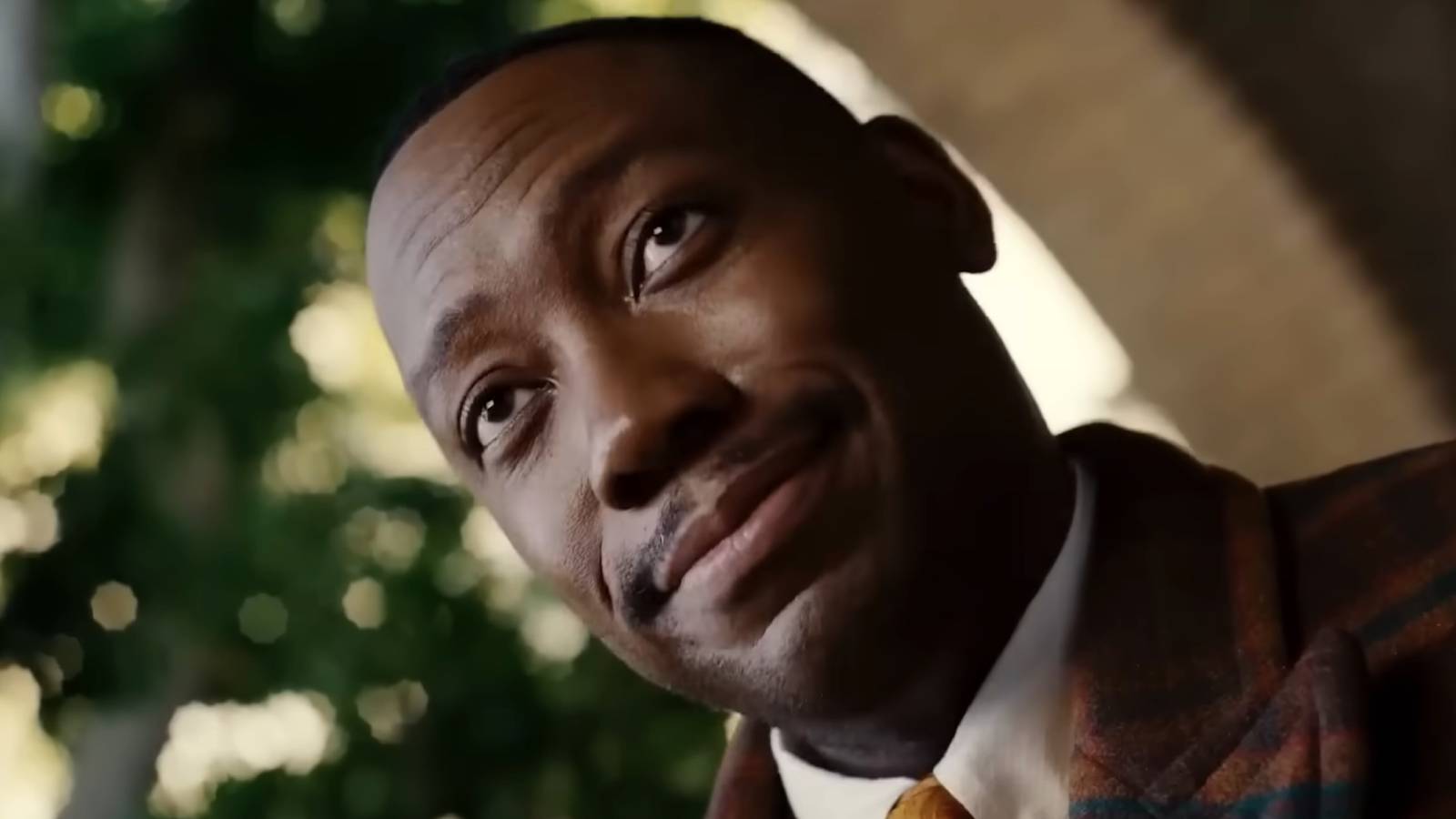
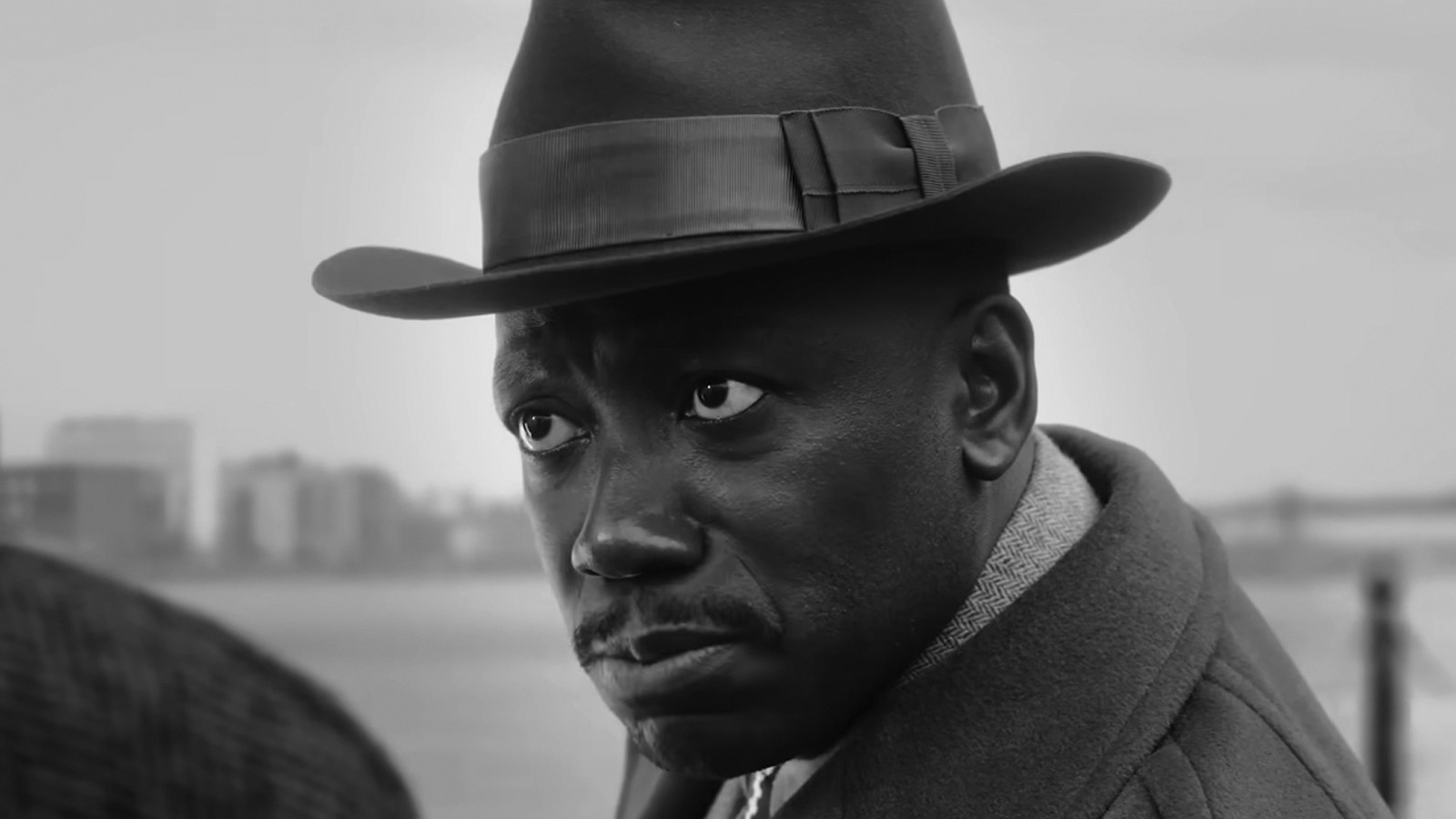
The resolution of this impasse introduces a critical narrative subversion when investigative journalist Robbie Robertson, portrayed by Lamorne Morris, intervenes. Robertson’s timely disruption resolves the physical threat while preserving the protagonist’s operational security. By positioning a non-powered civilian as the architect of the climax, the teleplay bypasses the conventional physical resolution of the superhero genre, prioritizing intellectual synergy and tactical coordination instead.
The Structural Precedents of Identity Protection
The mechanical execution of Robertson’s intervention draws direct inspiration from established tropes within the superhero canon, specifically the subversion of exposure plots. A prominent historical analog occurs in Batman: The Animated Series, where the antagonist Hugo Strange uncovers Bruce Wayne’s identity. The narrative resolves this vulnerability by having Dick Grayson utilize physical prosthetics and doubles to appear alongside Wayne, neutralizing the blackmail threat through sensory misdirection.
In Spider-Noir, Robertson’s deployment functions on a similar mechanical register, substituting human resourcefulness for supernatural capability. This structural choice elevates the supporting cast from passive liabilities to active agents of survival. Integrating secondary characters in this manner deepens the narrative stakes, ensuring that the protagonist’s longevity is contingent upon a collaborative network of trust rather than individual omnipotence.
Furthermore, this strategy underscores the narrative utility of a journalist within a hardboiled framework. Robertson’s institutional access allows him to penetrate social strata closed to an outlaw vigilante, acting as a strategic mediator between the criminal underworld, the public record, and the hero. This dynamic establishes a symbiotic economy where information and physical intervention are traded as essential currencies of survival.
The Journalistic Anchor: Robbie Robertson’s Structural Role
As portrayed by Lamorne Morris, Robbie Robertson is defined by absolute professional discipline. In contrast to the chaotic, multidimensional elements of the broader Spider-Verse, Robertson operates as a strictly grounded figure, dedicated to investigative rigor without succumbing to stylistic excess or comedic distractions. His pragmatic demeanor provides a necessary counterweight to Ben Reilly’s existential struggles.
This professional focus is vital for maintaining the realistic tone required of a premium noir adaptation. Robertson’s refusal to engage in genre-typical antics establishes him as the narrative’s moral and intellectual anchor. His primary weapons are his intellect and his unyielding commitment to objective truth, allowing the series to explore institutional corruption with a gravitas seldom seen in more lighthearted comic book adaptations.
The friction between Robertson’s methodical, legalistic approach and the vigilante’s extrajudicial methods creates a compelling operational tension. Even when sharing a common objective, their divergent methodologies highlight their respective places within the societal hierarchy. This division of labor between the free press and the vigilante illustrates the multi-layered strategy required to dismantle entrenched criminal systems.
The Comedy-to-Drama Pipeline: Casting Dynamics
The casting of Lamorne Morris in a prominent dramatic role reflects an industry-wide trend of transitioning comedic actors into complex, genre-defining prestige projects. Morris, widely recognized for his ensemble work in comedies like New Girl, joins a growing cohort of performers who leverage their precise comedic timing to inject nuance, subtext, and emotional vulnerability into dramatic roles. Studios highly value this transition, as comedic performers often possess an innate mastery of pacing, audience empathy, and interpersonal chemistry.
This casting strategy gains additional meta-textual depth when viewed alongside other New Girl alumni within the Spider-Man ecosystem—most notably Jake Johnson’s portrayal of Peter B. Parker in the animated Spider-Verse trilogy. This shared creative lineage adds an engaging layer of connection for the audience. During promotional cycles, Morris has playfully contrasted his disciplined, business-minded portrayal of Robertson with Johnson’s chaotic, extradimensional interpretation of the webslinger.
Morris’s analytical critique of Johnson’s characterization underscores the deliberate stylistic boundaries separating the different branches of the franchise. While the animated films embrace a kinetic, highly meta-fictional multiverse, Spider-Noir constrains its focus to deliver a localized, character-driven drama. This clear differentiation prevents brand fatigue, ensuring that each iteration of the intellectual property offers a distinct tonal experience.
Institutional Media Positioning and Crossover Potential
The promotional campaign for Spider-Noir—including Morris’s appearances on high-profile platforms like CBS Saturday Morning and in-depth interviews with outlets like CBR—reflects a coordinated campaign to position the series as a prestige television event. By highlighting both the historical significance of the character and the show’s distinct cinematic style, Sony and Marvel aim to capture an audience consisting of both traditional comic book enthusiasts and consumers of premium television dramas.
While crossover opportunities remain a source of speculation, industry analysts view them as a key indicator of the franchise’s long-term direction. The structural contrast between Robertson’s serious journalistic world and the whimsical realities of the wider multiverse presents fascinating creative opportunities. Any future integration of these worlds will require a delicate balancing act to preserve the integrity of Spider-Noir‘s grounded tone while respecting the established mechanics of the broader multiverse.
Ultimately, the viability of Spider-Noir depends on its ability to sustain its unique tone across a sustained narrative arc. By anchoring its superhero elements in the authentic struggles of historical journalism, organized crime, and complex human loyalties, the series establishes a robust foundation for long-term storytelling. The strategic choices made in its debut season construct a highly resilient framework for the expansion of this unique, hardboiled corner of the Marvel universe.