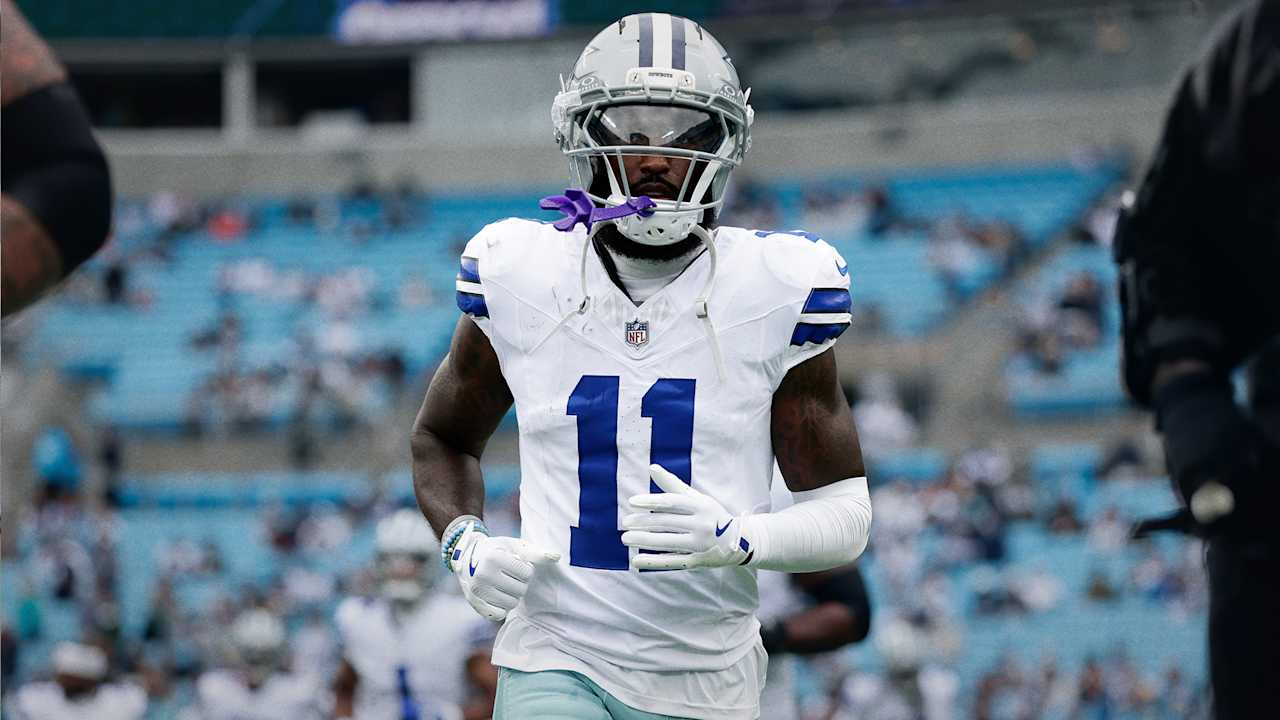
The unexpected retirement of wide receiver Parris Campbell at 28 years old represents a critical juncture for the Dallas Cowboys’ 2026 roster strategy and the wider NFC East competitive dynamic. His placement on the Reserve/Retired list effectively concludes a low-cost veteran acquisition intended to bolster depth following a career marked by high potential and inconsistent availability across multiple NFC East franchises (Philadelphia, New York). Campbell’s decision, occurring less than two months shy of his 29th birthday, powerfully illustrates the accelerated lifecycle of NFL careers, particularly for high-pedigree draft picks (like the 2019 second-round selection by the Indianapolis Colts) whose value erodes significantly once initial rookie-contract leverage is exhausted due to injury history or performance variability.
1. Strategic Implications of the Reserve/Retired Designation for the Cowboys
The Reserve/Retired designation is a judicious administrative maneuver enabling the Cowboys to retain Campbell’s contractual rights without encumbering a 90-man active roster spot. This crucial mechanism grants the front office immediate flexibility to aggressively pursue alternative free agents or strategically promote developing talent during the intensive offseason program. The timing of this retirement is particularly salient given Campbell’s recent January 2026 futures/reserves contract. This abrupt termination indicates a player-driven reassessment of physical and mental readiness, overriding the organizational intent to leverage his veteran experience in training camp. While Dallas’s financial exposure is negligible, the departure of a player with Campbell’s specific speed profile creates a tangible void in the vertical receiving game, compelling immediate evaluation of existing depth or the necessity of a late-stage veteran acquisition to stabilize the corps pre-preseason.
2. Campbell’s Career Trajectory: A Case Study in Veteran Market Dynamics
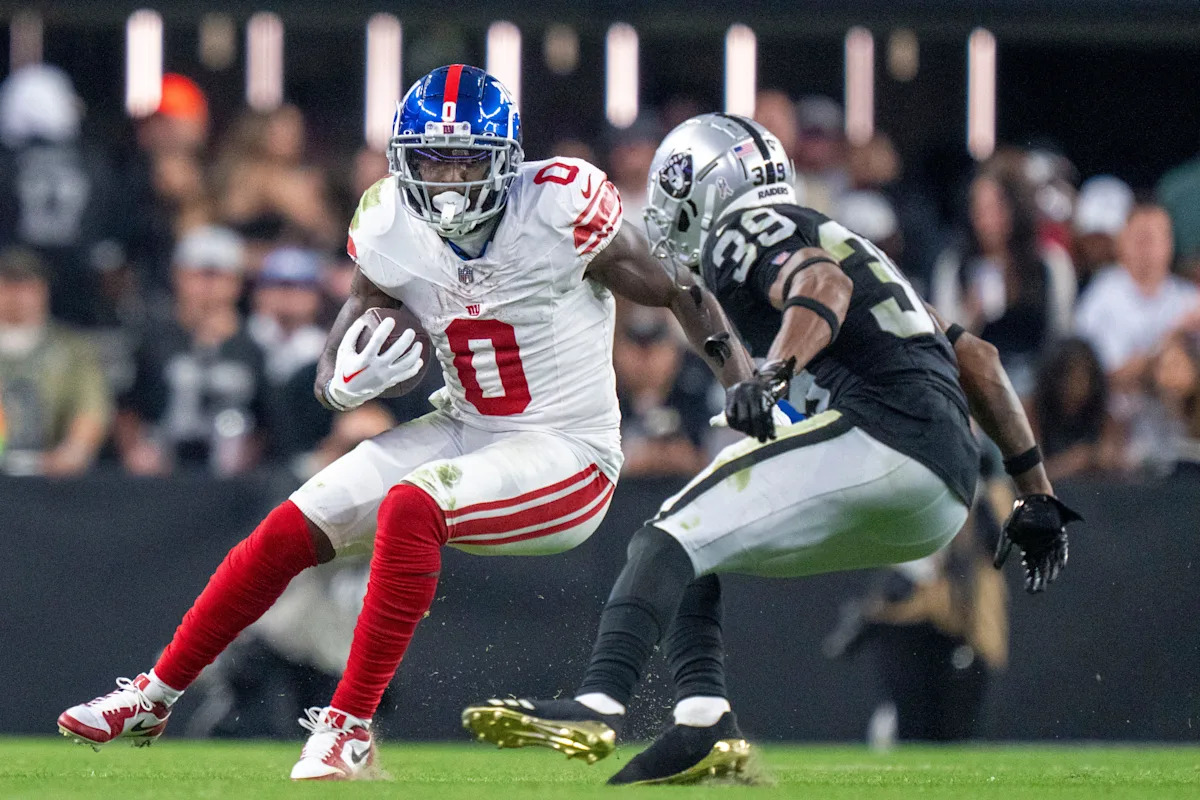
Campbell’s 2023 tenure with the New York Giants exemplifies the inherent risks of the NFL’s ‘low-risk, high-reward’ free agency paradigm. Despite initial optimism, his modest production—104 yards on 20 receptions across 12 games—underscored a persistent disconnect between his undeniable athletic potential and his operational consistency. This underperformance initiated a nomadic phase, seeing Campbell transition through the Philadelphia Eagles (securing a 2024 Super Bowl ring, albeit in a limited role) and ultimately to the Cowboys. His consistent inability to secure a long-term starting role within the highly competitive NFC East signals an evolving league perspective, increasingly valuing him as a specialized, situational asset rather than a foundational offensive component. The documented inconsistencies from his Giants stint undoubtedly influenced the Cowboys’ decision to extend only a futures contract, rather than a more substantial guaranteed veteran deal. This fiscal prudence by NFL front offices reflects a pervasive trend: the systemic devaluing of mid-tier veterans with recurring injury histories or variable output.
3. Broader NFL Roster Management Challenges: Injury & Transactional Volatility
Quarterback Asset Management
Beyond wide receiver dynamics, parallel roster management challenges are evident across the league, particularly concerning high-value injured assets. In Cleveland, the meticulous management of Michael Penix Jr.’s knee recovery epitomizes the high-stakes equilibrium between developmental imperative and long-term asset protection. Head coach Kevin Stefanski’s conservative restriction of Penix to individual and 7-on-7 drills—excluding him from higher-intensity 11-on-11 scenarios—directly mitigates the critical risk of unpredictable pocket pressure that could compromise his surgical repair. This carefully phased re-entry is paramount for a first-round quarterback investment; any premature setback in the critical May/June period would carry catastrophic ramifications for both the team’s depth chart and substantial cap allocation. Stefanski’s public affirmation that Penix is ‘exactly where he needs to be’ strategically calibrates both internal and external expectations, transparently acknowledging progress without prematurely declaring full readiness. Such strategic transparency is an absolute necessity in a high-pressure market where the health trajectory of a premium quarterback prospect directly influences a franchise’s competitive window.
Defensive Injury Management
This intricate balance extends to defensive units. The Baltimore Ravens confront comparable uncertainties with defensive lineman Nnamdi Madubuike, whose critical return from neck surgery remains deliberately unchained to a definitive timetable. Defensive coordinator Jesse Minter’s guarded optimism—noting Madubuike’s partial offseason participation—underscores the franchise’s reluctance to commit to a full-contact regimen prematurely. Given the pronounced career-ending risks associated with neck surgeries for interior linemen, the ‘trending in a great direction’ narrative serves as a critical component of both roster morale and pragmatic strategic planning. The sustained absence of a return timetable compels the Ravens to engineer a contingency-heavy defensive line rotation, potentially influencing their agility in pursuing supplementary veteran free agents. Concurrently, linebacker Teddye Buchanan’s ACL recovery foregrounds the pervasive institutional pressure to expedite rehabilitation, yet the continued absence of a practice return date confirms the medical staff’s paramount prioritization of structural integrity over immediate, potentially risky, participation.
Bottom-Roster Churn and Strategic Replacements
Further magnifying the fluidity of NFL roster dynamics is the procedural designation of defensive back DeCarlos Nicholson, who reverted to injured reserve following a waived/injured transaction. This administrative mechanism, while allowing a team to remove a player from the active roster while retaining rights, starkly illustrates the unforgiving reality of bottom-roster churn, often signaling the effective conclusion of a player’s competitive season. For Nicholson, this transition to IR not only arrests his developmental trajectory but also casts his organizational future into administrative limbo—a regrettably standard operational outcome for undrafted or late-round talent sustaining injuries during the high-intensity phases of the offseason program. Complementing this internal churn, external roster adjustments are constant. The Buffalo Bills’ acquisition of linebacker Demetrius Flannigan-Fowles exemplifies this late-May fluidity. As teams meticulously identify vacancies created by retirements (like Campbell’s) or medical clearance failures, they strategically pivot to proven veteran special teamers and depth contributors to fortify competitive balance in anticipation of training camp.
4. The Enduring Trend of Early Retirements and Career Lifecycle
Campbell’s exit at 28 is emblematic of an accelerating trend: NFL players increasingly prioritize long-term health and financial prudence over the often-diminishing returns of a journeyman career. Despite concluding his career with a Super Bowl ring and seven seasons of NFL service, his departure powerfully underscores the relentless physical attrition of the modern NFL and the formidable challenge of sustaining peak performance following multiple lower-body injuries. His collegiate trajectory, marked by First-Team All-Big Ten accolades and a national championship at Ohio State, serves as a poignant reminder that elite amateur success does not guarantee professional longevity. The swift transition from a highly touted 2019 second-round selection to a 2026 retiree vividly highlights the increasingly narrow and unforgiving window of opportunity for wide receivers in an ever-specialized league. Ultimately, the Cowboys’ administrative decision to designate Campbell as retired is a pragmatic, data-driven conclusion to a career frequently characterized more by tantalizing potential than by consistent, sustained production. This strategic move enables the organization to advance its 2026 vision while affording Campbell an exit that judiciously preserves his post-football health and professional reputation.