
The Strategic Calculus of Maritime Escalation
The recent exchange of hostilities between the United States and Iran in the Strait of Hormuz marks a significant escalation in regional maritime friction. The Islamic Revolutionary Guard Corps (IRGC) has reportedly targeted an American air base in retaliation for US strikes on Iranian drone assets, signaling a dangerous shift toward direct kinetic confrontation.
By targeting launch sites near the Strait, the US aims to degrade Iran’s power projection over global energy chokepoints. Conversely, the IRGC’s counter-strike demonstrates a refusal to tolerate the erosion of its regional deterrent capabilities, transforming the corridor into a theater of asymmetric warfare.
Institutional Responses and Economic Sanctions
The US Treasury has sanctioned the newly formed Persian Gulf Strait Authority, an entity Tehran established to regulate maritime activity. This move directly challenges Iran’s attempt to institutionalize administrative control over international shipping lanes.
For global shipping firms, this creates a high-stakes compliance environment. Adhering to Iranian mandates risks secondary US sanctions, while defiance invites potential seizure or harassment by IRGC vessels, further complicating the operational landscape for energy transit.
The Mechanics of Diplomatic Stasis
The White House has decoupled diplomatic efforts from domestic political timelines, rejecting reports of a memorandum of understanding involving a trade-off between the blockade of Iranian ports and the reopening of the Strait. This stance reinforces the administration’s pivot toward a policy of strategic endurance, dismissing the prospect of short-term transactional diplomacy.
Regional Spillover and Operational Complexity
Simultaneously, Israeli operations in Lebanon—targeting over 150 sites within 24 hours—add a layer of regional synchronization that constrains US security bandwidth. Managing the Strait of Hormuz while navigating the fallout from multi-front Israeli engagements forces a recalibration of Western military focus, limiting the capacity for localized de-escalation.
Market Implications and Energy Security
Energy markets have responded with increased risk premiums, reflecting the systemic threat to global crude supply. As volatility becomes a structural feature, energy infrastructure operators must transition from reactive to proactive risk management to navigate the ongoing instability.
Strategic Implications of the Stand-Off
The current impasse stems from incompatible claims over maritime governance. Iran’s formalization of its role through the Persian Gulf Strait Authority constitutes a direct challenge to the international maritime order. The US strategy of maintaining a blockade while delegitimizing Iranian oversight creates a structural stalemate, ensuring that neither side can achieve its objectives without a fundamental shift in the regional power balance.

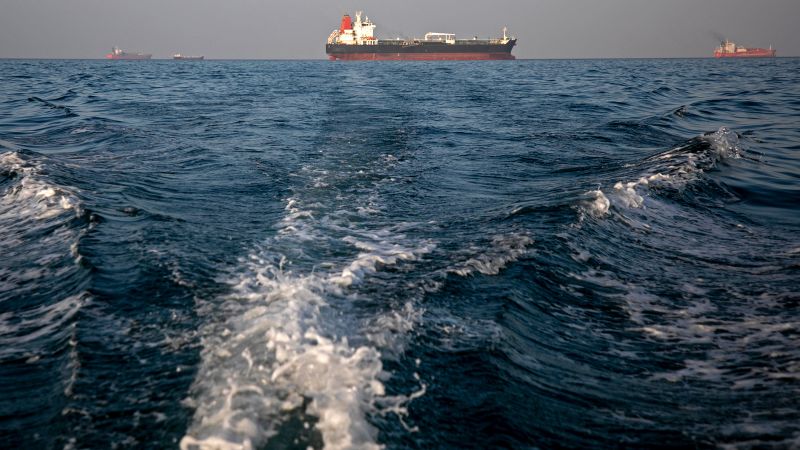
Photo by mokhaladmusavi on Pixabay.