The $115 billion United States quick-service restaurant (QSR) burger segment—which accounted for approximately 20% of all national chain restaurant expenditures in 2025 according to Technomic—serves as the primary operational anchor of the domestic food service industry. Consequently, promotional events like National Hamburger Day on May 28, 2026, function as high-stakes tactical windows. Brands deploy aggressive, digital-first incentives to capture market share, drive customer acquisition, and lock in long-term consumer habits.
The Strategic Architecture of Loyalty Ecosystems
Modern QSR brands are systematically replacing broad, margin-dilutive discounts with gated, closed-loop loyalty ecosystems. On May 28, 2026, Burger King restricted its promotional offering—a free hamburger with a minimum three-dollar purchase—exclusively to its Royal Perks loyalty program members. By requiring transactions to flow through its proprietary mobile application, the brand drives digital adoption and secures valuable first-party behavioral data, mitigating third-party platform fees.
Similarly, Carl’s Jr. utilized its digital rewards app to gate a buy-one-get-one-for-one-cent (BOGO) promotion on its signature Famous Star burger. Restricting the deal to a single-use digital coupon allows the brand to limit margin erosion while successfully reactivating dormant loyalty program profiles. These mechanics demonstrate that the primary ROI of modern QSR promotions is no longer immediate unit volume, but the lifetime value (LTV) optimized through continuous customer tracking.
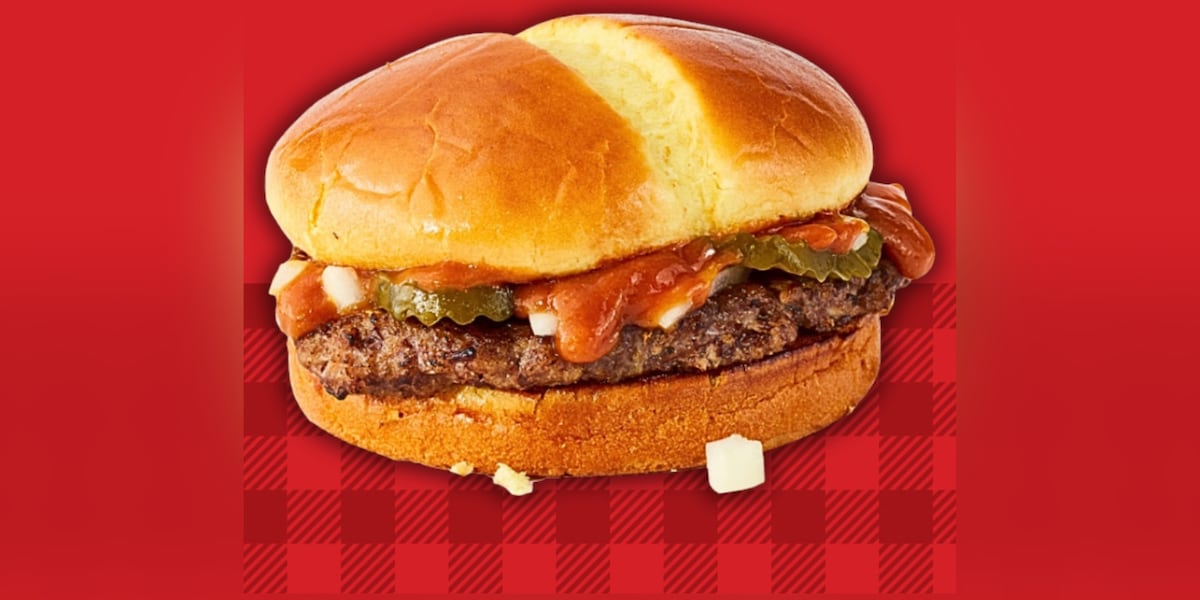
Regional operators are deploying parallel frameworks to defend localized market share against scaled national competitors. Big Buns structured its National Hamburger Day campaign to offer reward members a free Classic Burger with any purchase, strategically extending the promotional window through May 31. This multi-day duration deliberately contrasts with the single-day promotions of national chains, aiming to build sustained consumer habituation and frequency over an extended holiday weekend.
Data Monetization and Non-Endemic Partnerships
The convergence of QSR promotions and non-food incentives highlights a sophisticated cross-industry approach to customer acquisition cost (CAC) reduction. Alongside its core menu promotion, Burger King offered Royal Perks members four months of complimentary Spotify Premium access. This partnership targets highly overlapping, mobile-first consumer demographics to increase the perceived value of the brand’s loyalty app without incurring direct food-cost overhead.
Integrating digital streaming subscriptions into fast-food loyalty frameworks transforms traditional QSR operators into multi-dimensional lifestyle platforms. This model yields comprehensive consumer profiles, mapping dining behaviors against digital media consumption patterns. The resulting zero-party data allows marketing teams to execute hyper-personalized, programmatic advertising campaigns that drive sustained engagement far beyond the transactional point of sale.
The Economics of Loss Leaders and Margin Management
Promotional pricing during peak demand events requires precise balance sheet management to prevent severe margin compression. Jack’s Family Restaurants offered its classic hamburgers for $1.00 from 2:00 p.m. until close across all operating locations. To protect kitchen throughput and control food-cost inflation, the operator instituted a strict cap of five promotional burgers per transaction.
This $1.00 pricing serves as a classic loss leader designed to stimulate physical foot traffic during off-peak afternoon and evening hours. While the core promotional transaction operates at thin or negative margins, profitability is recovered through high-margin attachment sales, specifically beverages and French fries, which carry superior markup profiles. For regional brands like Jack’s—which has leveraged the hamburger as its menu anchor since 1960—the short-term margin dip is treated as a necessary marketing capital expenditure to reinforce its value proposition.
Menu Engineering and Consumer Preference Dynamics
The positioning of promotional entrees aligns with underlying consumer preferences within the American dining landscape. Data from YouGov’s national popularity polls indicates that while hamburgers remain culturally iconic, they rank fourth behind grilled cheese and cheeseburgers, while French fries capture the top spot. This ranking confirms a structural reality: high-margin side items are often the primary drivers of QSR brand satisfaction.
QSR operators capitalize on this preference hierarchy by using the basic hamburger as a low-cost promotional hook to pull in traffic, while relying on the premium-priced side items to secure average ticket size. Furthermore, offering promotions specifically on basic hamburgers rather than cheeseburgers preserves operational flexibility. This structure allows chains to upsell cheese and premium toppings, utilizing micro-transactional modifications to recover margin on the base discount.
Operational Execution and Supply Chain Pressures
High-volume, time-sensitive promotions put significant strain on both local supply chains and store-level operations. For brands like Bobby’s Burgers by Bobby Flay, which offered its signature Crunchburger for $5.28 at select locations in Charlotte, South Carolina, and Utah, localized supply chain integrity is critical. A delay in specialized ingredient deliveries can compromise promotional execution and damage brand equity in newly penetrated markets.
Store-level execution is highly dependent on labor optimization and kitchen throughput. Jack’s afternoon-to-close promotion concentrates immense order volumes into a narrow timeframe, requiring strict prep schedules to avoid bottlenecking. If service times lag during peak promotional windows, negative customer experiences can quickly offset the promotional goodwill. Supply chain managers must execute exact inventory forecasting; because fresh buns and beef have short shelf lives, over-purchasing risks severe post-event inventory write-offs, while under-purchasing results in immediate service stockouts.
Regional Scale and Competitive Differentiation
The structural divergence between national and regional QSR players dictates distinct competitive strategies on National Hamburger Day. National giants like Burger King and Carl’s Jr. rely on corporate cash reserves and advanced digital infrastructure to deploy nationwide, app-exclusive campaigns. These conglomerates can comfortably absorb localized margin losses in exchange for massive, national first-party user acquisition.
Conversely, mid-sized regional players capitalize on local affinity and premium menu differentiation. Bad Daddy’s Burger Bar offered its All-American Burger paired with a classic side for $10.00 on May 28, targeting sit-down, dine-in consumers rather than low-average-ticket drive-thru transactions. This pricing strategy positions the brand as an accessible premium alternative, maintaining sustainable margins while insulating the operator from the hyper-commoditized price wars of national fast-food giants.