
The Termination of an Operational Era
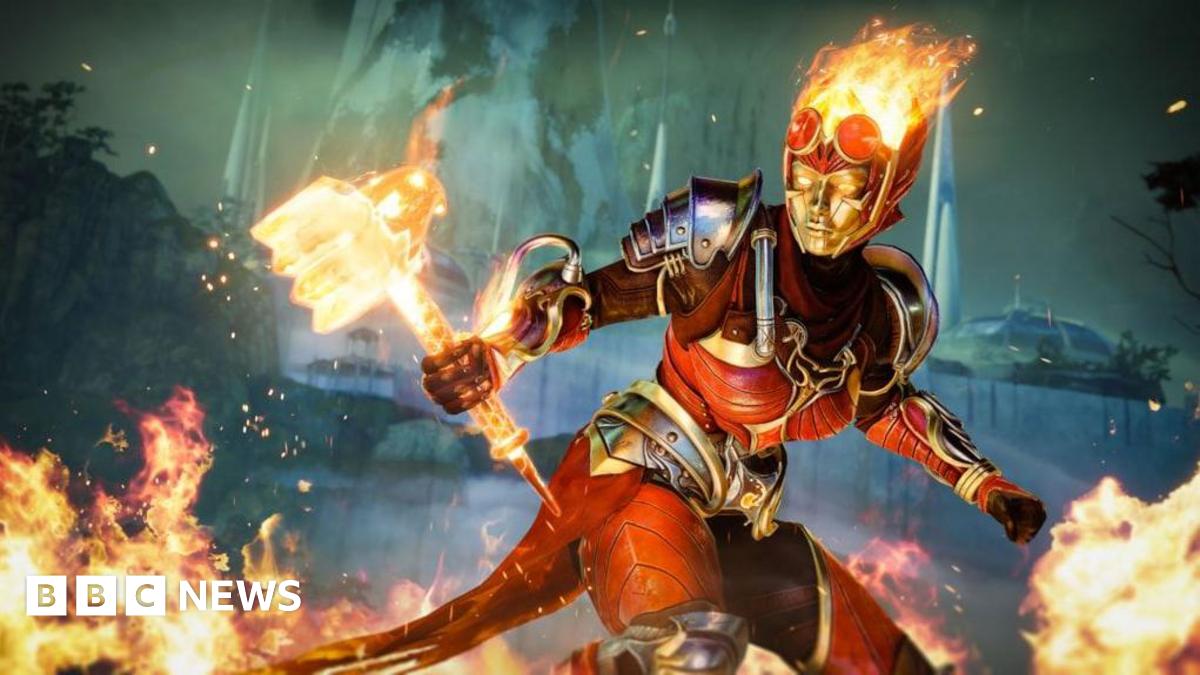
Bungie has formally codified the conclusion of active development for Destiny 2, ending a decade-long lifecycle that served as the industry benchmark for the live-service model. Effective June 9, the title will transition into a static ‘legacy’ state. While servers remain operational, the cessation of new content marks a definitive end to the game’s narrative and mechanical evolution.
Strategic Pivot: Capital Migration and Resource Re-Optimization
This decision reflects a calculated reallocation of human and financial capital toward Marathon. The transition underscores the diminishing marginal utility of sustaining a decade-old codebase against the high-alpha potential of new intellectual property. For Bungie, the move is a response to fluctuating player retention and the unsustainable overhead of the ‘forever game’ framework. By setting a hard deadline, the studio is attempting to mitigate the logistical friction of multi-project development in a tightening economic climate.
Fiscal Discipline and Human Capital Volatility
The operational sunset is inextricably linked to a broader structural downsizing. The accompanying layoffs highlight the inherent volatility of AAA development, where massive headcounts are increasingly viewed as a liability during franchise transitions. This reduction in force represents a deliberate move to align the studio’s cost structure with a leaner, more focused pipeline, albeit at the cost of significant institutional knowledge and community trust.
Ecosystem Fragmentation: The Impact on the Creator Economy
The cessation of updates induces immediate obsolescence for the creator economy built around Destiny 2. For stakeholders whose professional livelihoods are tethered to the title’s content cycles, this shift represents a catastrophic disruption of revenue-generating assets. The resulting vacuum may accelerate player attrition, as the social and marketing engines fueled by high-profile creators begin to stall or migrate to competing platforms.
Market Sentiment and the Future of Live-Service Models
The industry is viewing Bungie’s exit as a case study in lifecycle management. The transition to ‘maintenance mode’ often serves as a precursor to eventual server decommissioning, signaling a shift in industry standards where even successful live-service titles are retired to clear the path for next-generation innovation. As Bungie moves toward Marathon, the studio faces the complex strategic challenge of migrating a fragmented fanbase to an unproven ecosystem—a maneuver that will dictate the firm’s relevance in the next decade of digital entertainment.

Photo by Simon on Pixabay.