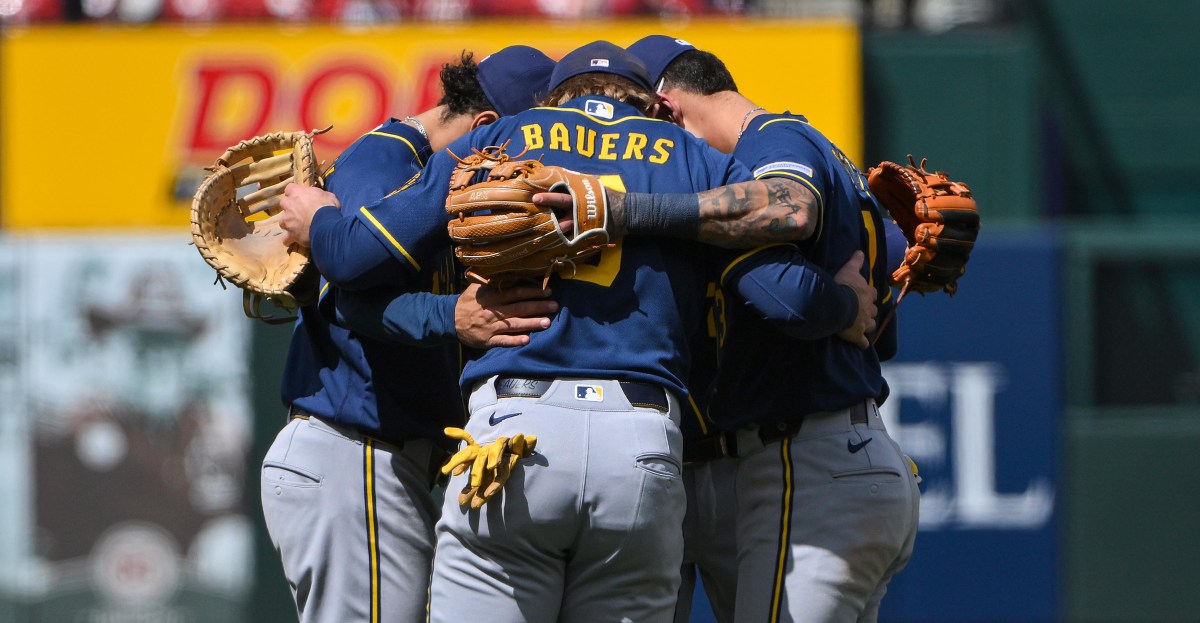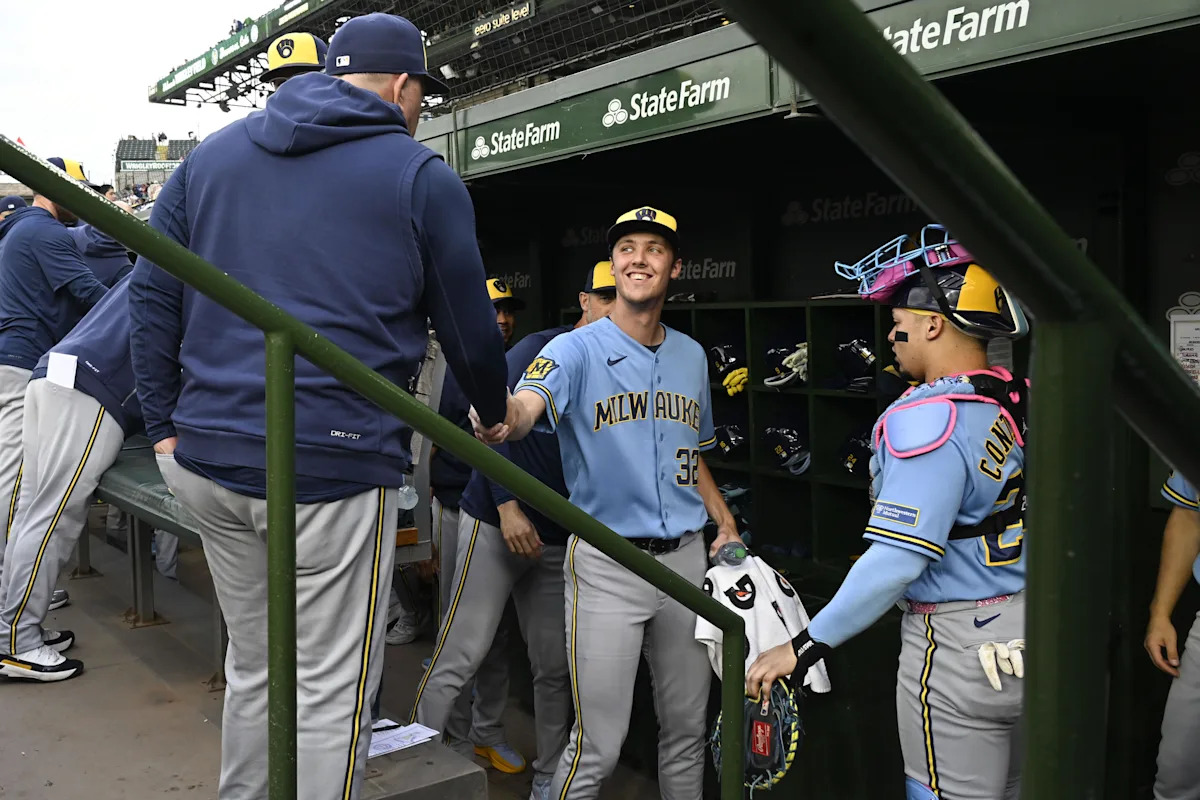
The National League Central division reaches a critical competitive junction as the first-place Milwaukee Brewers prepare to host the second-place St. Louis Cardinals for a three-game series starting on Memorial Day. Only 1.5 games separate these division rivals. With both front offices navigating distinct roster challenges, this head-to-head matchup will establish key divisional leverage heading into the summer months.
Divisional Standings and Momentum Dynamics
The Milwaukee Brewers enter the series at 30-20, maintaining a narrow division lead despite dropping two of three games to the Los Angeles Dodgers. This setback marked Milwaukee’s first series loss since late April, snapping a highly successful stretch that featured a sweep of the Chicago Cubs. The Brewers’ ability to bounce back from this minor regression will test their operational depth and structural resilience against a direct divisional challenger.
The St. Louis Cardinals arrive in Milwaukee carrying a 29-22 record. The Cardinals’ recent schedule was heavily disrupted by severe weather, resulting in consecutive rainouts and forcing the coaching staff to manage player fatigue and pitching rotations with limited recovery time. Despite these scheduling challenges, St. Louis remains poised to challenge Milwaukee’s divisional positioning.
The Statistical Divergence of the Cardinals
A closer examination of the St. Louis Cardinals’ performance reveals a fascinating statistical anomaly that challenges traditional analytical models. Despite their strong 29-22 record, the Cardinals possess a run differential of just plus-one. This metric typically correlates with a .500 winning percentage, yielding a Pythagorean expectation of approximately 25-26 wins.
This discrepancy highlights the team’s extraordinary efficiency in high-leverage situations. The primary driver of this outperformance is the Cardinals’ success in close games, evidenced by a 10-4 record in one-run contests. Additionally, St. Louis has demonstrated exceptional late-game execution, securing seven wins in extra-inning games while losing only two. While standard statistical regression models suggest this pace may be difficult to sustain over a full season, the Cardinals’ bullpen execution remains a potent competitive advantage.
Brewers Pitching Staff and Injury Mitigation
The Milwaukee Brewers’ front office and coaching staff face a complex operational puzzle due to a heavily congested injured list, particularly within the pitching staff. Right-hander Brandon Woodruff and closer Devin Williams remain sidelined, while veteran starter Wade Miley is out for the season following Tommy John surgery. Managing this volume of pitching injuries requires precise workload distribution and places immense pressure on the active bullpen to prevent systemic fatigue.
The recovery timelines for these injured pitchers will dictate Milwaukee’s roster strategy over the coming weeks. The Brewers expect imminent reinforcements as depth options progress through rehab protocols. Meanwhile, the active staff must rely on optimized pitch-mix designs and leverage-based bullpen usage to bridge the gap and maintain their standing atop the division.
Position Player Depth and Lineup Architecture
In addition to their pitching challenges, the Brewers are managing key absences in their roster rotation, placing an extra premium on the health and performance of their active position players. Milwaukee’s starting lineup features a potent blend of speed and power, led by Jackson Chourio and Brice Turang, followed by William Contreras behind the plate and Christian Yelich in the outfield. This core is designed to pressure opposing pitchers early and create high-leverage RBI opportunities.
The Cardinals’ offensive strategy relies on a balanced mix of veteran presence and situational hitting. Their lineup is anchored by Paul Goldschmidt, Nolan Arenado, and Alec Burleson, with Masyn Winn providing contact and speed. This configuration aims to exploit matchup advantages against right-handed pitching and generate the timely hits that have defined their success in close games this season.
Tactical Pitching Matchups
The series opener features a compelling pitching matchup that highlights contrasting tactical approaches. The Brewers will send right-hander Freddy Peralta to the mound. Peralta’s ability to suppress opponent scoring via high strikeout rates has been a vital stabilizing force for a Milwaukee rotation navigating multiple injuries. The Cardinals will counter with left-hander Matthew Liberatore, whose ability to navigate the early innings and limit damage will be critical to preserving a taxed St. Louis bullpen.
The strategic maneuvering continues into the second game of the series. Milwaukee will hand the ball to right-hander Colin Rea, who has enjoyed a steady season, while St. Louis counters with veteran sinker-baller Kyle Gibson. The series finale presents a significant tactical challenge for the Brewers’ depth, as they leverage Tobias Myers against the Cardinals’ right-hander Miles Mikolas, testing both teams’ back-of-the-rotation viability.
Broadcast Economics and Regional Market Impact
Beyond the competitive dynamics on the field, this holiday series represents a major commercial event for both franchises and their regional broadcast partners. The games will be broadcast locally via Brewers TV, providing high-visibility advertising inventory during a major holiday weekend. On the radio side, AM-620 WTMJ will carry the live audio broadcast, maintaining its traditional role as a primary media pipeline for the Brewers’ regional fan base.
The high-stakes nature of this divisional race directly influences regional sports network viewership and consumer engagement metrics. High-performing divisional matchups generate increased consumer interest, driving merchandise sales, ticket demand, and localized economic activity around American Family Field. The financial health of these franchises remains closely tied to their ability to sustain fan interest through meaningful summer baseball.
Long-Term Competitive Implications
As the Brewers and Cardinals embark on this three-game set, the broader implications for the National League Central race are significant. A series win for Milwaukee would extend their divisional lead and re-establish their dominance over a direct rival. Conversely, a successful road trip for St. Louis would validate their statistical resilience and potentially propel them into first place, altering the strategic calculus for both front offices as the trade deadline approaches.
With both organizations navigating injuries and regression risks, this series serves as a critical stress test. The tactical decisions made by both managers over these three days will resonate far beyond Memorial Day weekend. Ultimately, the team that best manages its pitching limitations and capitalizes on high-leverage moments will emerge with a distinct advantage in the race for the NL Central crown.