Systemic Volatility and the NL Central Power Vacuum
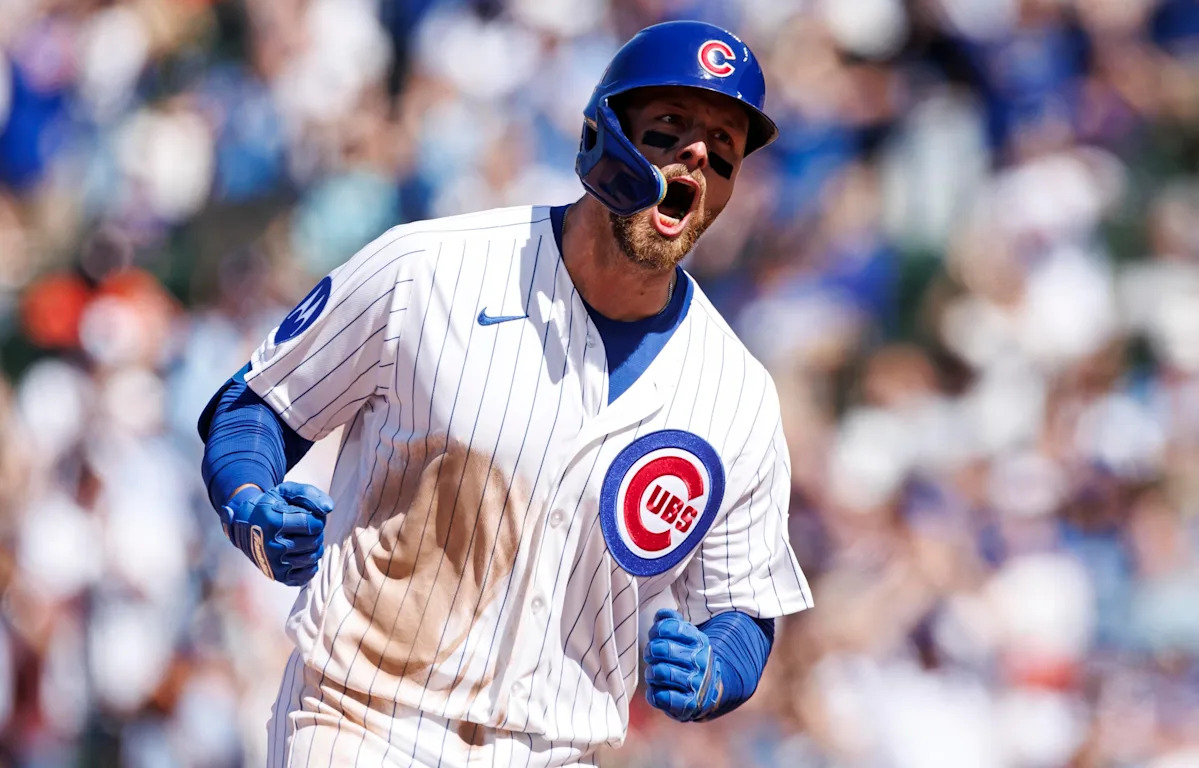
The Memorial Day series at PNC Park serves as a high-leverage diagnostic for two franchises navigating opposing performance arcs. The Chicago Cubs (29-24) enter this four-game set amidst an eight-game losing streak—a catastrophic regression that has neutralized the competitive surplus generated during their previous double-digit winning phases. This extreme variance suggests a structural fragility where elite starting pitching is frequently nullified by systemic offensive droughts.
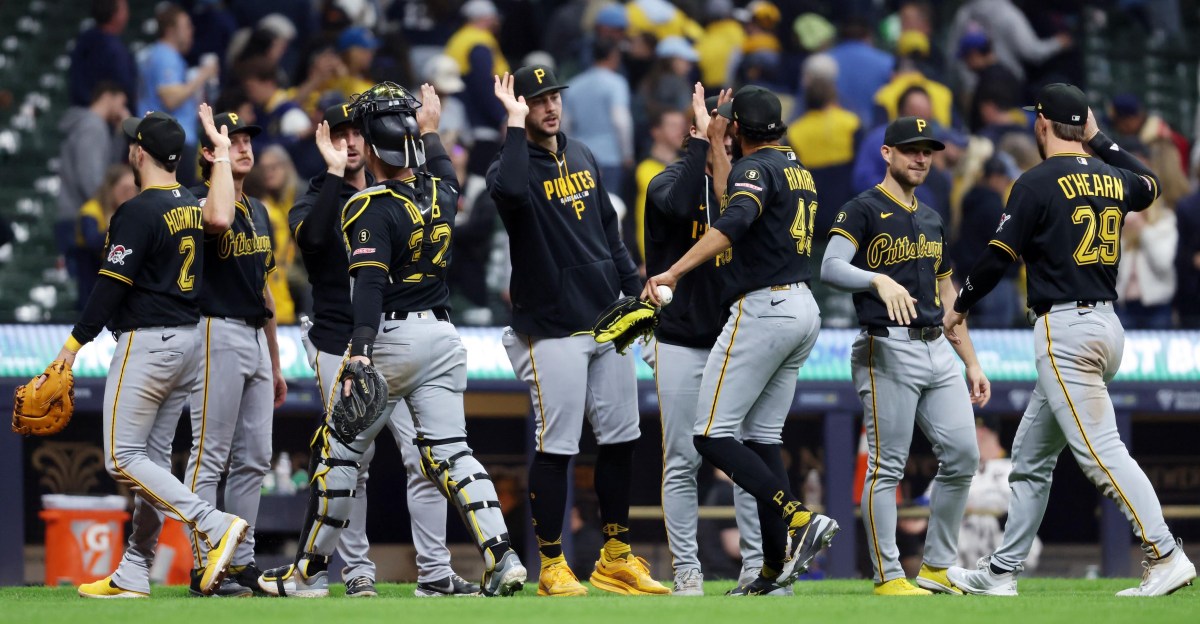
Conversely, the Pittsburgh Pirates (27-26) have demonstrated incremental recovery. By capitalizing on divisional lapses, Pittsburgh has positioned itself to exploit a rival’s psychological and operational fatigue. This series represents a critical pivot point where divisional positioning is secondary to the stabilization of season-long win-probability metrics.
Statistical Degradation: Analyzing the Run Differential Crisis
The Cubs’ current eight-game slide highlights a profound disconnect between talent acquisition and operational execution. During this period, the club has been outscored 43-20, reflecting a -23 run differential that places unsustainable pressure on the rotation. Offensive production has hit a statistical nadir: a meager .181 collective batting average (39 hits over 8 games) indicates a total breakdown in situational hitting and plate discipline against high-leverage relief pitching.
This sustained underperformance necessitates a radical recalibration of the batting order. The inability to manufacture runs via secondary metrics—such as walk rate or aggressive baserunning—has left the Cubs vulnerable to any opponent capable of league-average run production.
Pitching Dynamics: Ben Brown’s Efficiency vs. Lack of Run Support
The series opener features a stark contrast in pitching profiles. Ben Brown (2.09 ERA) represents the Cubs’ most consistent asset, yet his 1-2 record underscores a chronic failure of the run support index. Brown’s ability to maintain elite run prevention during a team-wide slump suggests mechanical consistency, but modern operational reality dictates that elite starts are moot if the offense fails to cross the four-run threshold.
Carmen Mlodzinski (4-3, 3.96 ERA) provides the Pirates with a stabilizing presence. While his peripheral metrics are less dominant than Brown’s, he benefits from a lineup—anchored by Bryan Reynolds—that excels in timely power hitting. The outcome will likely hinge on bullpen management in the middle innings, where fatigue often triggers the Cubs’ defensive lapses.
Historical Parallel: Variance and the 1916 Giants Benchmark
The Cubs’ 2026 season mirrors the extreme performance variance of the 1916 New York Giants. That historic squad recorded three separate double-digit winning streaks but was plagued by an eight-game slide that nearly derailed their campaign. For the modern Cubs, a ninth consecutive loss would establish a modern MLB record for the longest losing streak by a team with multiple 10-game winning streaks in a single year, highlighting the danger of high-talent rosters succumbing to momentum-driven fatigue.
Market Valuation and Institutional Implications
Oddsmakers have positioned the Cubs as a -125 moneyline favorite, pricing in a regression to the mean based on season-long averages rather than recent form. The Pirates, at +105, represent a value proposition for analysts prioritizing momentum and home-field advantage. The 8-run over/under reflects Brown’s ability to suppress scoring, suggesting a low-margin affair where a single defensive error could dictate the divisional hierarchy.
The May 25 date further carries institutional weight, marking the 25th anniversary of Kerry Wood’s 14-strikeout one-hitter against Milwaukee in 2001. While the 2026 roster features different protagonists like Alex Bregman, the requirement for a singular, legacy-defining pitching performance to arrest a losing streak remains a constant in the franchise’s strategic landscape.