
NYC’s Strategic Play for World Cup Accessibility Amidst Complex Dynamics
New York City has strategically secured 1,000 World Cup tickets at a subsidized rate of $50 each, designated for distribution to city residents via a lottery system. This initiative, spearheaded by Mayor Zohran Mamdani, unequivocally positions the city as a proactive agent in democratizing access to a global sporting spectacle. It directly addresses the pervasive concern of mega-event exclusivity, leveraging municipal influence to ensure tangible benefits for its diverse populace.
The direct negotiation with FIFA by Mayor Mamdani represents a significant municipal intervention in the commercial landscape traditionally dominated by corporate interests. Securing tickets at the “cheapest available” price point, coupled with complimentary bus transportation, underscores a deliberate and holistic strategy to broaden the demographic reach of the tournament, moving beyond traditional high-income attendees to include working-class New Yorkers.
Operationalizing Social Equity and Municipal Leverage
Mayor Mamdani’s direct engagement with FIFA President Gianni Infantino in March exemplifies the strategic leverage a major host city can exert. This bypass of standard commercial channels establishes a critical precedent for municipal leaders to advocate for specific local benefits within global event frameworks, rather than merely accommodating event demands.
The commitment of 1,000 tickets, spread across seven matches at MetLife Stadium—including five group-stage fixtures and later knockout rounds—necessitates substantial logistical coordination. New York City assumes the administrative burden of managing a ballot system and organizing free transportation, representing a direct financial and operational investment in fostering community access and social equity. This commitment aligns precisely with the Mayor’s stated goal of ensuring “working-class New Yorkers have the opportunity to be part of it,” framing the World Cup as an event that “belongs to the people who make this city what it is.”
Inter-Jurisdictional Tensions and Regional Governance Challenges
The localized nature of New York City’s ticket lottery has ignited a layer of inter-jurisdictional complexity, creating friction with New Jersey, the physical host state for MetLife Stadium. This unilateral action by NYC, perceived as an assertion of primary claim over event benefits, challenges the collaborative ethos expected within a multi-state host bid. It highlights inherent tensions in regional mega-event governance, where shared responsibilities often clash with fragmented benefits.
The Host Committee, tasked with coordinating the multi-state event, now faces the intricate challenge of balancing competing municipal and state interests. Such initiatives strain inter-governmental relations, potentially complicating future collaborative efforts on shared regional projects and resource allocation. This situation underscores the political economy of mega-events: local governments actively vie for economic impact, media attention, and political capital, making the distribution of tangible benefits like subsidized tickets a potent focal point for demonstrating leadership to constituents.
Future multi-jurisdictional bids for major events will likely necessitate more explicit, pre-negotiated agreements on benefit-sharing and local access initiatives. The current scenario serves as a vivid illustration of the imperative for clear, equitable frameworks to prevent perceived imbalances and foster genuine regional cohesion throughout the hosting period.
Geopolitical Hurdles and Inclusive Fan Engagement
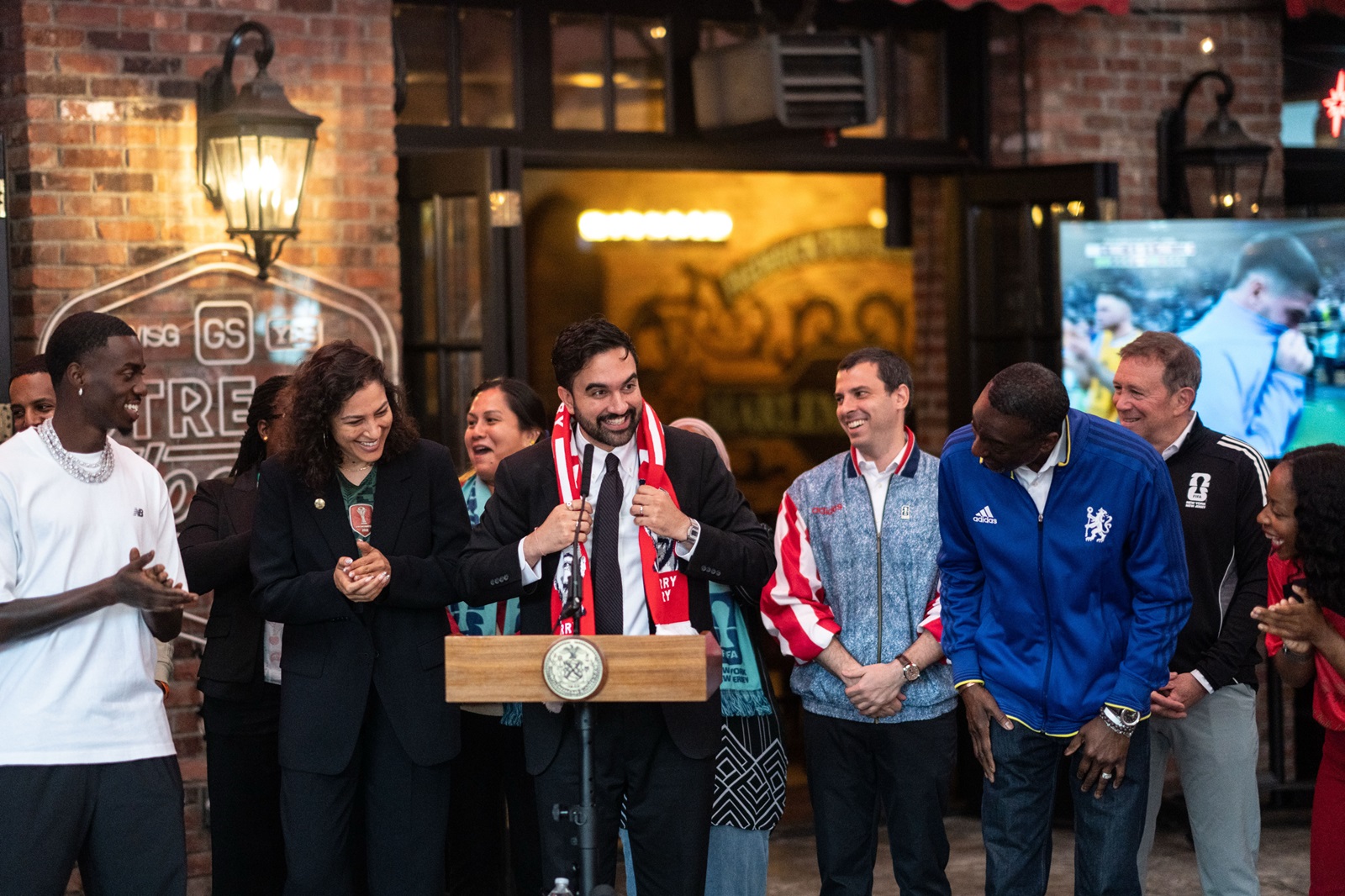
The strategic timing and location of the announcement—a news conference in Harlem’s Little Senegal—underscored a nuanced understanding of the event’s global and local dimensions. This community holds particular cultural significance, given that two of Senegal’s three World Cup group games are scheduled for MetLife Stadium. However, the ability of Senegalese nationals to attend these matches is significantly hampered by existing federal travel restrictions, including “Trump administration’s travel bans,” presenting a direct impediment to international fan participation.
Mayor Mamdani’s initiative thus serves a critical dual purpose: not only making tickets economically accessible but also strategically addressing the void left by restricted international travel. By prioritizing domestic fans, particularly those within culturally relevant communities, the city aims to cultivate a vibrant, representative, and locally-driven atmosphere at the stadium, partially mitigating the geopolitical constraints impacting broader international attendance.
This situation directly exposes FIFA to reputational challenges regarding the inclusivity of its global tournament when host nation immigration policies restrict access for fans from participating countries. New York City’s proactive stance places pressure on local organizers to compensate for these external factors through enhanced community engagement, positioning the ticket lottery as a pragmatic response to both economic and geopolitical barriers to participation.
Evolving Dynamics of Mega-Event Governance and Urban Policy
New York City’s proactive stance in securing affordable World Cup tickets sets a profound precedent for future mega-event hosting. It fundamentally shifts the negotiation dynamic, demonstrating that host cities can and will demand tangible social benefits beyond purely economic impact projections, forcing international sporting bodies to reconsider their engagement models.
This initiative reflects an evolving expectation from urban populations and municipal leaders: major events must deliver direct, inclusive value to local residents, transcending the traditional focus on tourism, corporate sponsorship, or high-net-worth attendees. The Mayor’s “leading the way” declaration reinforces this strategic positioning, aligning global events with local urban policy objectives of accessibility and social equity.
For FIFA, the agreement highlights increasing pressure to deeply integrate social responsibility and legacy planning into its host city selection and management processes. Collaborating on initiatives like subsidized tickets enhances FIFA’s public image and helps to mitigate persistent criticisms of elitism associated with global sporting events. Concurrently, the strategic deployment of political capital to secure these concessions bolsters the Mayor’s standing within his constituency, translating tangible benefits into significant political leverage and reinforcing a narrative of responsive local governance.
Ultimately, the New York City ticket lottery functions as a compelling case study in municipal activism and strategic governance. It showcases how local governments can proactively intervene in global event planning to align outcomes with local priorities, navigating the complex interplay between international sports organizations, municipal politics, inter-jurisdictional dynamics, and broader geopolitical forces. This tangible effort to democratize access to an otherwise exclusive global spectacle is poised to inform future discussions on equitable access and community engagement for major sporting and cultural events worldwide.

Photo by Elsemargriet on Pixabay.