The Unraveling of the Muskonomy’s Single-Stock Paradigm
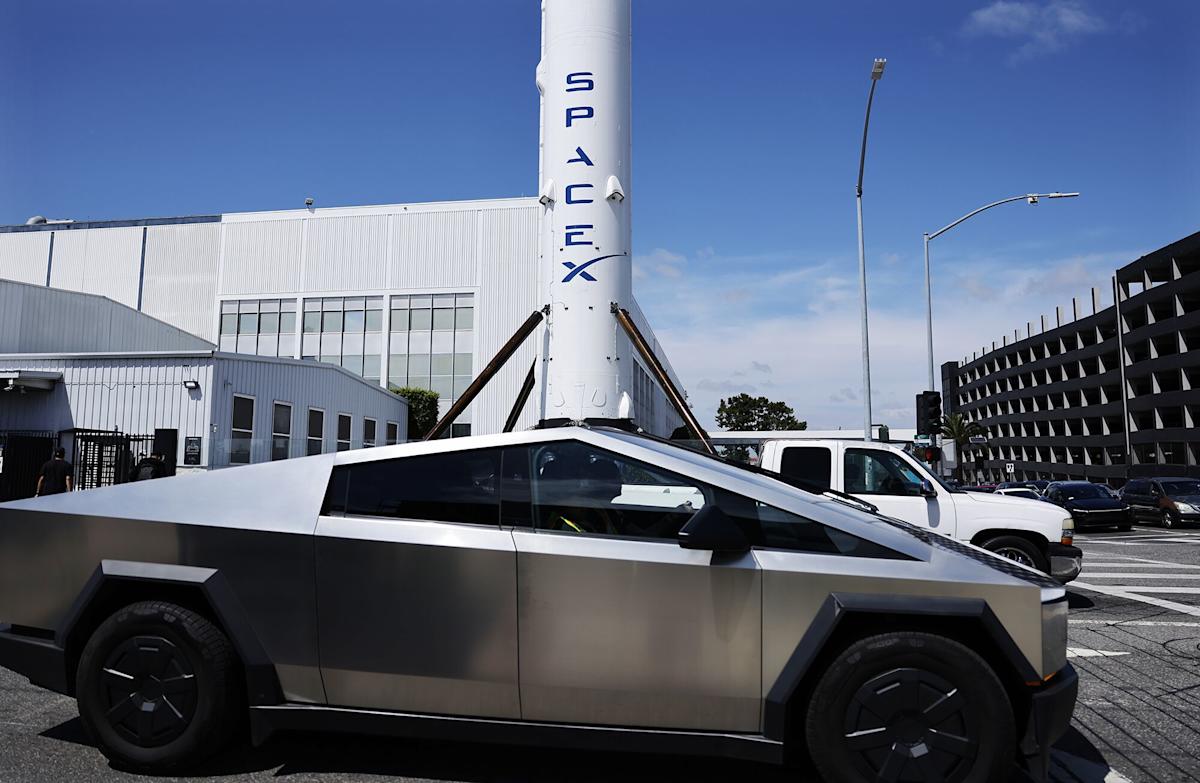
For over a decade, Tesla Inc. served as the exclusive public investment vehicle for those seeking exposure to Elon Musk’s industrial and technological ecosystem. The imminent initial public offering (IPO) of Space Exploration Technologies Corp. (SpaceX) fundamentally alters this landscape by introducing a direct competitor for capital allocation and investor attention within the same visionary framework.
This transition marks the end of Tesla’s de facto monopoly on the ‘Muskonomy’ – the interconnected web of Musk-led ventures. The introduction of a second, distinct public entity creates a structural diversion of retail and institutional interest that previously had no direct alternative outlet.
Market analysts posit that this shift signifies more than brand diversification; it’s a catalyst for significant capital migration. As SpaceX prepares for public listing, the scarcity premium that once bolstered Tesla’s valuation may diminish as investors re-evaluate portfolio concentration within the Musk portfolio.
Goldman Sachs’s Institutional Mandate for SpaceX
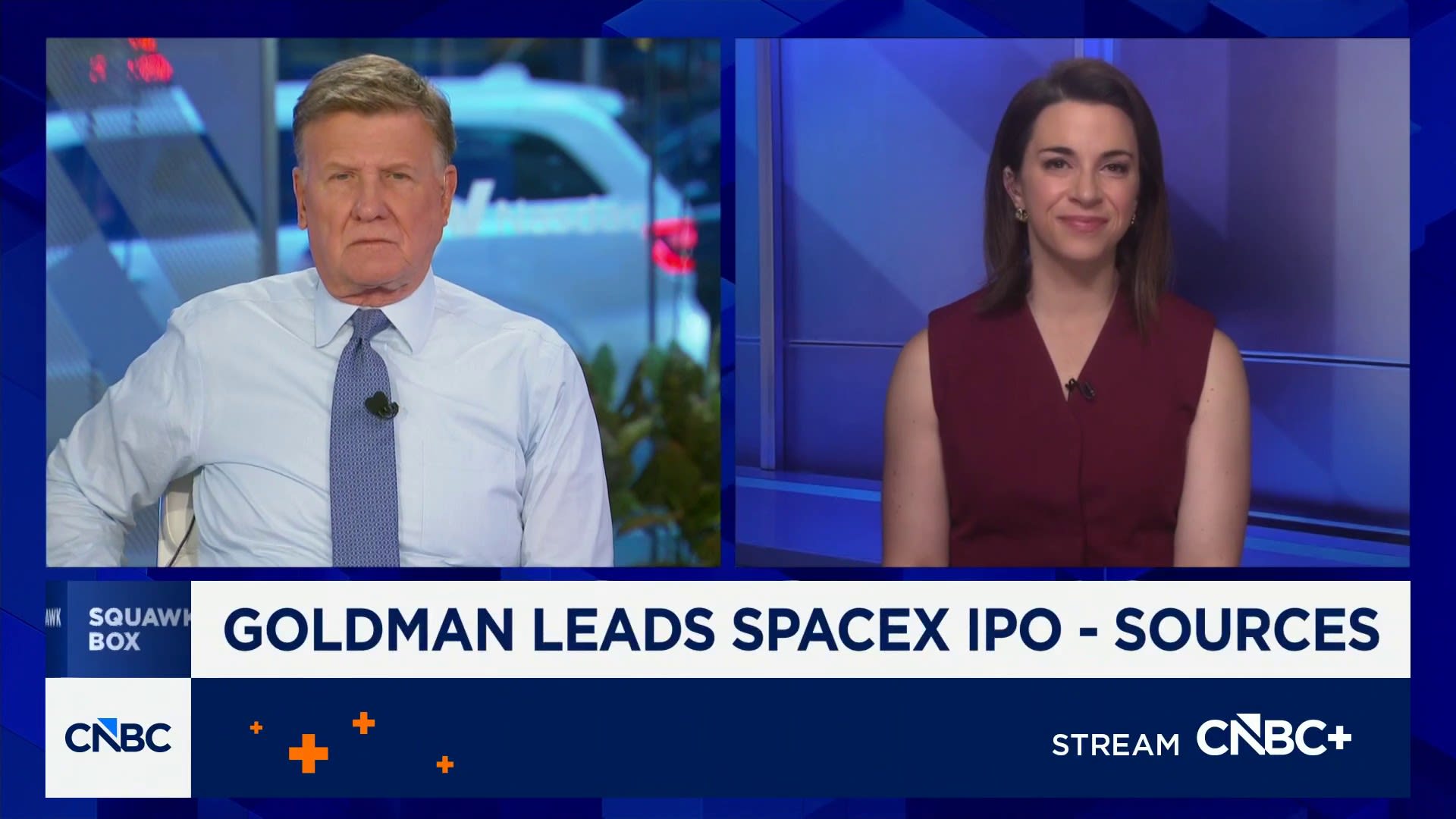
The selection of Goldman Sachs to lead the SpaceX IPO underwriting syndicate signals a strategic emphasis on institutional placement and rigorous valuation. By securing a premier investment bank, SpaceX positions itself to attract substantial capital from global asset managers prioritizing stability and robust financial structuring.
Goldman Sachs’s involvement lends critical institutional credibility for a capital-intensive aerospace leader. Their mandate suggests the IPO will be structured to attract long-term institutional holders, potentially at the expense of Tesla’s existing shareholder base seeking diversification within the Musk ecosystem.
This banking lineup reflects a deliberate strategy to move beyond speculative fervor, focusing instead on establishing a solid financial foundation capable of supporting the massive capital expenditures inherent in deep-space exploration and satellite deployment.
The Mechanics of Capital Cannibalization
A primary risk for Tesla investors is the phenomenon of capital cannibalization: investors must now choose between two high-growth Musk entities. Portfolio managers often operate under strict concentration limits, meaning the addition of SpaceX may necessitate a reduction in Tesla holdings to maintain balanced exposure to the Musk ecosystem.
This internal competition for capital is amplified because SpaceX represents a newer, potentially more disruptive frontier than the maturing electric vehicle sector. Investors seeking outsized returns may find the early-stage public lifecycle of SpaceX more compelling than Tesla’s current growth phase.
The resulting sell-side pressure on Tesla could be substantial as institutional desks rebalance portfolios to accommodate the new aerospace entrant. This is not merely a sentiment shift but a mechanical reality of fund management where finite capital must be allocated to highest-conviction opportunities.
Executive Bandwidth: The Zero-Sum Game
Operational focus is a critical concern, as Elon Musk’s attention is increasingly perceived as a zero-sum game across his ventures. Portfolio managers, like Joe Gilbert of Integrity Asset Management, note that Musk’s focus appears laser-targeted on SpaceX, potentially at Tesla’s operational detriment.
While Musk has historically managed multiple high-stakes initiatives, SpaceX’s current ambitious objectives demand unprecedented executive commitment. This creates a strategic vacuum at Tesla, especially during a period of slowing sales and intensifying global competition.
The perception of SpaceX as the ‘shiny new object’ introduces psychological risk for Tesla shareholders. If the market concludes that Tesla’s primary visionary driver is preoccupied with aerospace milestones, the valuation premium historically attributed to Musk’s leadership could face significant de-rating.
Tesla’s Fundamental Pressures and Holding Patterns
Tesla currently exhibits characteristics of a holding pattern or gradual decline, with fundamentals increasingly pressured by market saturation. Slowing growth in the EV sector has compelled Tesla to compete on price, impacting margins and challenging the narrative of perpetual expansion.
Against this backdrop, the SpaceX IPO emerges when Tesla is least equipped to absorb a diversion of investor interest. The contrast between a maturing automotive company facing cyclical headwinds and a pioneering aerospace firm entering its public prime creates a challenging valuation comparison for Tesla.
The fundamental divergence between the companies is sharpening: Tesla shifts towards mass-market manufacturing while SpaceX pushes technological frontiers. This forces investors to decide between exposure to a stabilized industrial giant or a high-risk, high-reward frontier technology firm.
The Merger Hypothesis: Strategic Consolidation or Defensive Maneuver
Reports of Musk considering a Tesla-SpaceX merger suggest a potential defensive strategy to mitigate capital and focus fragmentation. A consolidated entity could theoretically pool resources and align long-term strategic goals under a single corporate umbrella.
However, such a merger would introduce immense complexity, combining the distinct regulatory and operational challenges of the automotive and aerospace industries. Financially, it could mask Tesla’s slowing growth by integrating its balance sheet with SpaceX’s high-growth trajectory.
For investors, a merger introduces uncertainty regarding governance and capital allocation. While it might address competing demands for Musk’s attention, it could dilute the pure-play appeal of both companies, potentially leading to a conglomerate discount neither currently faces.
Institutional Positioning and Evolving Market Sentiment
Wall Street professionals increasingly view the SpaceX IPO as an inevitable pivot point for assessing Musk’s ventures. The transition from single-stock to multi-stock ecosystem exposure necessitates a more nuanced valuation approach, accounting for synergies and conflicts between the companies.
Institutional sentiment is shifting towards a more critical evaluation of Tesla’s long-term viability absent Musk’s undivided attention. This is reflected in the cautious outlook of portfolio managers preparing for heightened volatility as the market digests the new SpaceX offering.
SpaceX’s ‘shiny new toy’ effect is significant in a market driven by narrative and future-oriented growth. As SpaceX captures headlines with successful launches and network expansions, Tesla’s manufacturing and logistics challenges may struggle to maintain investor enthusiasm.
Downstream Effects on Aerospace and EV Sectors
SpaceX’s public listing will profoundly impact the aerospace sector, establishing new benchmarks for valuation and capital efficiency. Competitors will face pressure to respond to SpaceX’s enhanced transparency and capital access.
Conversely, the EV sector might experience cooled interest as the ‘Musk premium’ is now split. Tesla’s competitors could gain market share and investor attention if Tesla’s stock remains under pressure from capital migration toward SpaceX.
The broader institutional impact involves reassessing how visionary-led conglomerates are valued. The SpaceX IPO serves as a crucial case study on the risks and rewards of simultaneously scaling multiple industry-disrupting companies under a single leadership figure.
Conclusion: Re-Architecting the Musk Portfolio
The SpaceX IPO represents a structural re-architecture of the Musk investment landscape, shifting from a centralized, Tesla-centric model to a decentralized, multi-entity ecosystem. This introduces significant risks for Tesla, particularly regarding capital siphoning and executive focus, while offering new avenues for institutional growth.
As Goldman Sachs leads this offering, the market must navigate the complexities of the ‘Muskonomy’ with increased analytical rigor. Tesla’s era as the sole proxy for Musk’s vision is concluding, and the ensuing competition for capital will likely shape both the automotive and aerospace industries for the next decade.
Ultimately, the success of this transition hinges on Musk’s ability to balance the demands of two massive public entities. For investors, the challenge lies in discerning true value within an ecosystem now officially divided between terrestrial and extraterrestrial ambitions.