The Operational Model of South Park
South Park returns to Comedy Central on September 16, 2026, for its 29th season, reinforcing its unique high-velocity production cycle. Co-creators Trey Parker and Matt Stone maintain a workflow where development begins in late August, an anomaly in modern scripted television. This short lead time functions as a strategic advantage, enabling the team to synthesize current events into episodes with an agility traditional animated series cannot replicate.
Institutional Strategy and Distribution
The season adopts a targeted bi-weekly release schedule—September 30, October 14, October 28, November 11, and November 25—designed to concentrate viewership and alleviate the intense labor demands of the ‘six-day production’ model. This distribution approach complements the hybrid nature of Paramount+, where day-after streaming in the U.S., Canada, and Australia maximizes reach across both linear and digital demographics.
Cultural Relevance and Satirical Impact
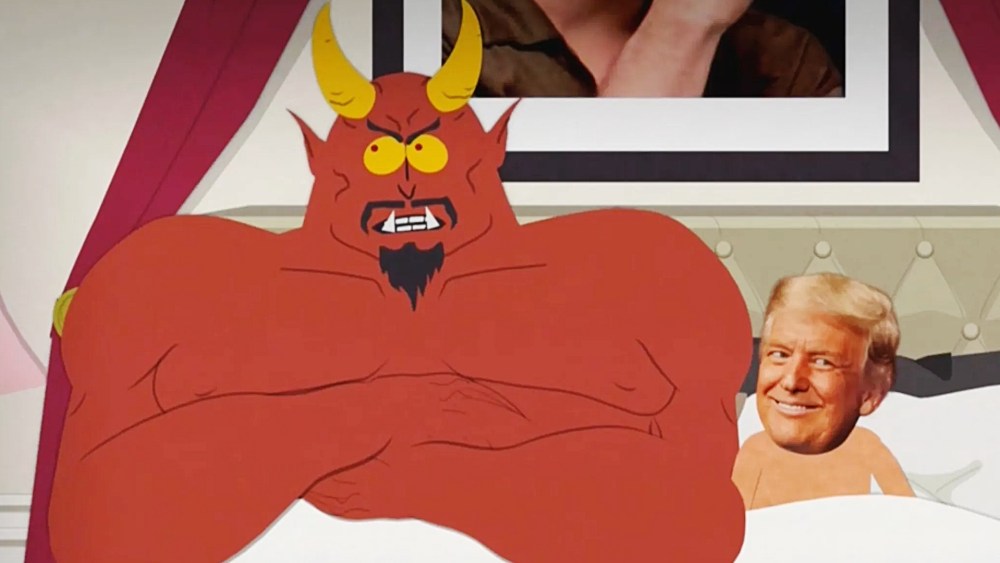
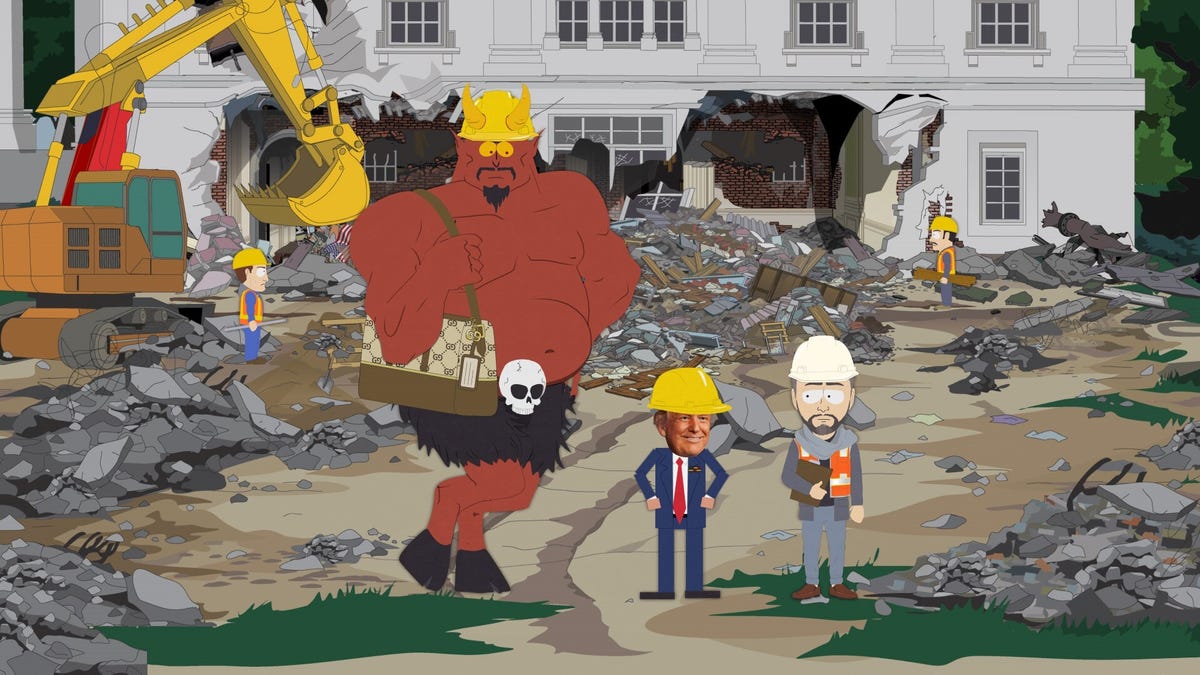
Following the commercial performance of Season 27, which marked a recent viewership peak, the franchise has solidified its status through aggressive political satire. By focusing on contemporary national discourse, the show remains a cultural barometer. This alignment between provocative narrative content and viewer engagement confirms the efficacy of the series’ reactive methodology in an increasingly fragmented media landscape.
Evolution Toward the 30th Anniversary
As South Park nears its 30th anniversary in 2027, the franchise has shifted toward concise, five-episode seasons. This structural evolution prioritizes narrative density, mitigates creative exhaustion, and leverages the principle of artificial scarcity to drive sustained audience anticipation. With five Emmy Awards for Best Animated Program, the series remains the anchor of the Comedy Central and Paramount portfolio.
Competitive Benchmarking
The ‘South Park model’ serves as an industrial benchmark, creating a competitive moat defined by operational efficiency. By mastering the ability to pivot narratives in real-time, Parker and Stone have insulated the brand from the obsolescence typical of long-lead animation. This efficiency, coupled with institutional knowledge, continues to provide significant value to distribution partners, proving that reactive, appointment-based viewing retains viability in the age of streaming.