The Resilience of Holiday Travel Demand
The 2026 Memorial Day forecast, projecting 45 million Americans to travel at least 50 miles, highlights inelastic consumer demand within a high-cost macroeconomic environment. Despite national average gasoline prices climbing to $4.53 per gallon—up significantly from the $3.19 recorded year-over-year—travel intent has not waned. This record-setting volume, exceeding 2025’s 44.8 million, underscores that leisure travel has transitioned from discretionary luxury to a non-negotiable component of household budgeting.
Operational Dynamics: The Shift to Road Travel
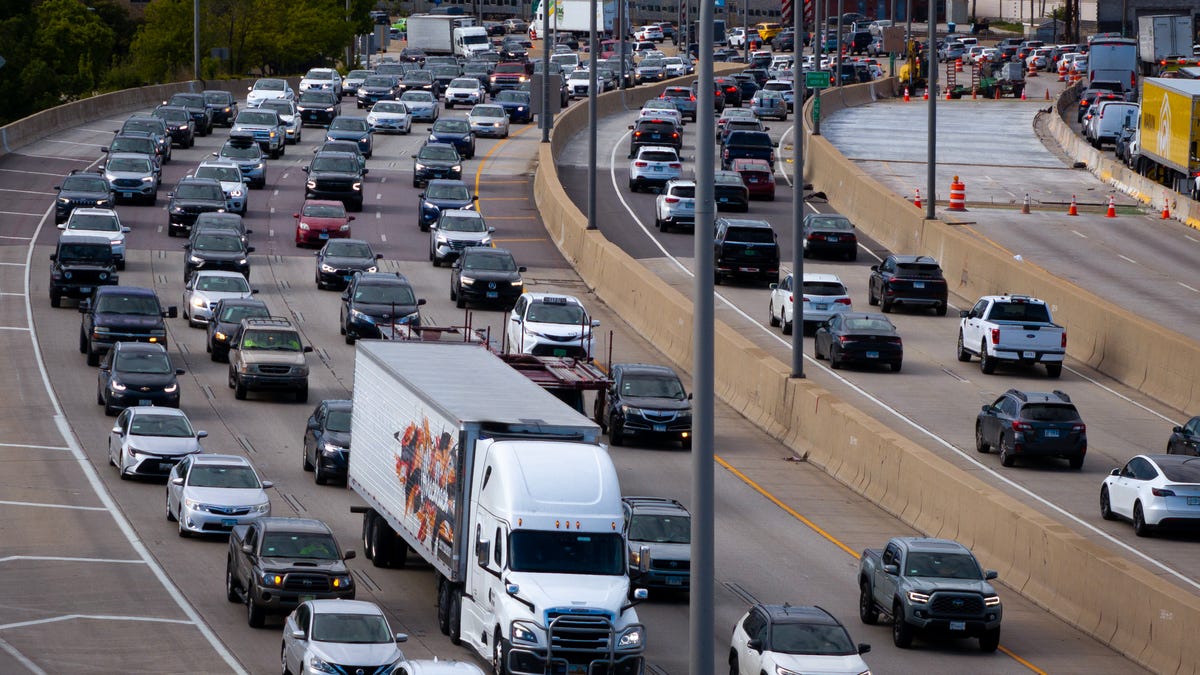
Automobiles remain the dominant mode of transport, accounting for 87% of all holiday movement. With 39.1 million travelers choosing the road, households are prioritizing flexibility and cost-control measures. While high fuel prices present a direct financial burden, the data suggests that consumers have decoupled travel intent from short-term energy market volatility. In contrast, the air travel sector anticipates 3.66 million passengers; however, industry stability is largely supported by early booking cycles that shielded travelers from recent spikes in jet fuel surcharges.
Strategic Implications for the Travel Industry
The sustained volume amid rising costs challenges the travel and hospitality sectors to refine their revenue management. Because consumers are highly sensitive to value propositions, firms that secured early bookings are better positioned than those relying on late-stage, higher-priced inventory. Current market behavior suggests a post-pandemic recalibration, where the perceived utility of experiential consumption—such as cruises and bundled theme park packages—outweighs the impact of inflationary headwinds.
Infrastructure and Market Stability
The concentration of travel between May 21 and May 25 places significant stress on national infrastructure. The decision by 45 million Americans to proceed despite economic pressures acts as a barometer for the 2026 summer season. As the sector matures, the focus for stakeholders must shift toward capacity management and service-level readiness to maintain long-term consumer loyalty. This robust participation indicates that, barring further severe economic contraction, travel demand is likely to remain resilient throughout the remainder of the year.