
The Structural Fragility of the Colorado River Basin
The Colorado River system is navigating an era of anthropogenic aridification, where the hydrological deficit between historical allocations and contemporary supply has reached a terminal inflection point. This volatility threatens the operational stability of the American West, as the primary recharge mechanism—Rocky Mountain snowpack—fails to meet the demands of expanding municipal and agricultural sectors.
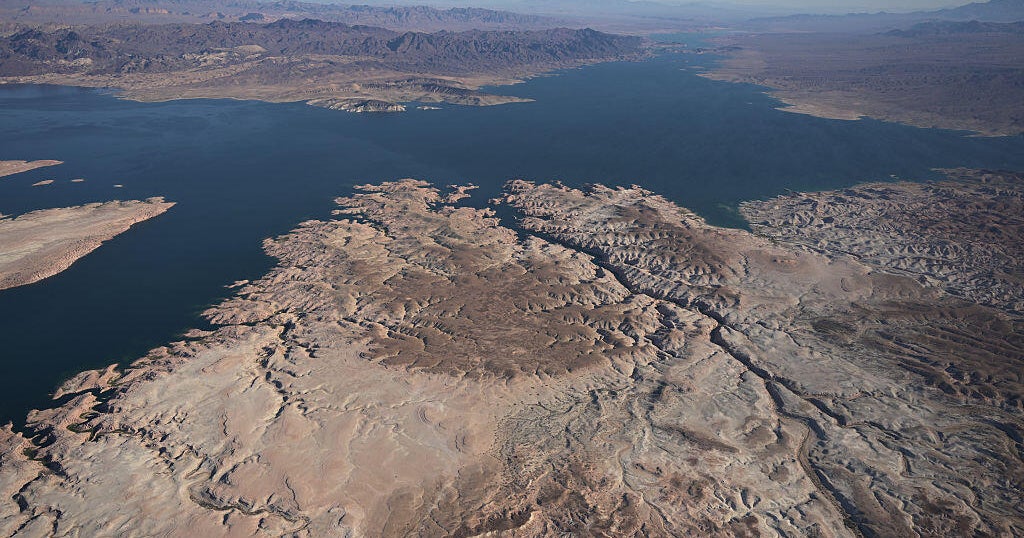
This systemic imbalance is exacerbated by the 1922 Colorado River Compact, which overestimated annual flows, creating a ‘paper water’ problem where legal entitlements exceed physical availability. The resulting depletion of Lake Mead and Lake Powell, the nation’s largest buffering infrastructures, now necessitates a shift from routine resource management to emergency stabilization protocols to prevent a total system collapse.
Hydropower Continuity and Federal Interventionism
The U.S. Bureau of Reclamation has transitioned into a crisis-management role, initiating supplemental water releases to maintain the ‘minimum power pool’ required for hydroelectric generation. At Lake Powell, maintaining a specific hydraulic head is critical; a drop below 3,490 feet risks the physical integrity of turbines and threatens the stability of the Western Interconnection energy grid.
These federal maneuvers highlight a pivot toward prioritizing energy security alongside water delivery. By stabilizing reservoir elevations through tactical releases, the Bureau seeks to avoid ‘dead pool’ status—a catastrophic threshold where water levels drop below the dam’s lowest outlets, rendering downstream delivery and power generation impossible. This intervention underscores the obsolescence of 20th-century engineering assumptions in a 21st-century climate reality.
The Lower Basin Emergency Conservation Framework
In response to federal mandates, the Lower Basin states—Arizona, California, and Nevada—finalized a short-term consensus to curtail consumption by 3.2 million acre-feet through 2026. This framework represents a significant departure from historical litigation-heavy water disputes, signaling a pragmatic alignment driven by the existential threat of dry pipes and energy blackouts.
The scale of this reduction—roughly equivalent to the annual usage of 25 million households—is designed to stabilize reservoir levels while permanent post-2026 guidelines are negotiated. This agreement, which includes critical participation from Mexico, aims to preempt more invasive federal restrictions that would likely bypass state-level control and the Prior Appropriation Doctrine.
Market-Based Mechanisms and the Financialization of Scarcity
A cornerstone of this realignment is the utilization of federal funding, primarily through the Inflation Reduction Act, to compensate water users for voluntary curtailment. This financialization of conservation internalizes the cost of scarcity, incentivizing agricultural and industrial stakeholders to prioritize water efficiency over historical usage patterns.
By transforming ‘leftover’ water into a revenue stream, the Bureau of Reclamation targets high-volume irrigation districts where the marginal cost of fallowing land is lower than the economic value of the compensated water. While this market-based approach provides an immediate buffer, it raises questions regarding the long-term fiscal sustainability of paying for conservation rather than mandating structural reform in arid-land agriculture.
Geopolitical Exposure and Seniority Vulnerability
The crisis exposes a hierarchy of vulnerability defined by the ‘Law of the River.’ Municipalities in Arizona and Nevada, holding junior water rights, face the most immediate risk of mandatory cuts. However, even California—the basin’s most senior user—is increasingly exposed as the physical decline of Lake Mead threatens the conveyance systems serving Southern California’s coastal metropolises.
Furthermore, the international dimension involving the Minute 323 agreement with Mexico highlights that the hydrological deficit is a transboundary challenge. The inclusion of Mexican allocations in the 3.2 million acre-feet target demonstrates that regional security is inextricably linked to diplomatic cooperation, requiring a unified response to a shared ecological threat.
Institutional Evolution and the Path to 2026
The current conservation bridge creates a narrow window for stakeholders to develop a permanent framework for the ‘New Normal’ of water scarcity. The success of this transition depends on move from reactive emergency releases to data-driven, proactive management. Institutional resilience is being tested as the Bureau of Reclamation shifts from an infrastructure provider to a strategic resource arbiter.
Ultimately, the measures through 2026 serve as a recognition that the era of water abundance in the West has concluded. Future viability for the region’s 40 million residents depends on permanent structural changes—including wastewater recycling, desalination, and the retirement of water-intensive crops—to reconcile the regional economic model with the reality of permanent hydrological scarcity.
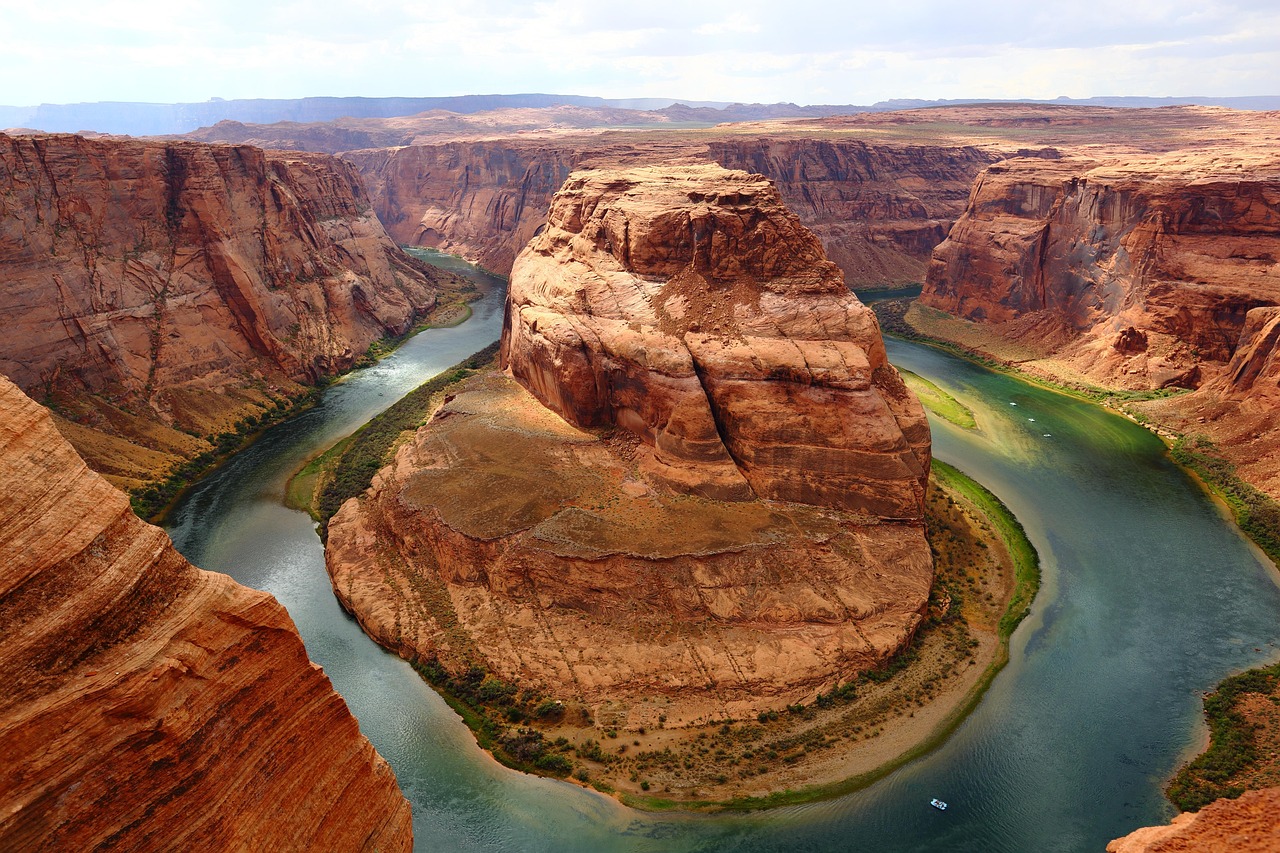
Photo by KeYang on Pixabay.