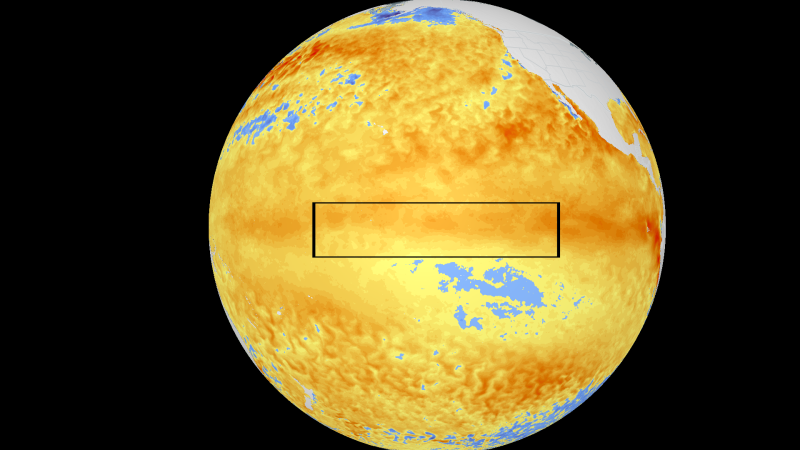
The Escalating Probability of a Super El Niño
Recent updates from the National Weather Service (NWS) reveal a sharp upward revision in climate modeling for 2026. The probability of a super El Niño event—characterized by extreme sea surface temperature (SST) anomalies—is now projected at 37% for the November 2026–January 2027 period, up from 25% only a month ago. This shift reflects rapid oceanic warming trends in the tropical Pacific.
Current data indicates an 82% likelihood of El Niño conditions emerging by mid-year, with a 96% probability of persistence through the winter, effectively cementing the phenomenon’s role in the global climate outlook for the coming year.
Operational and Strategic Implications
Super El Niño events, having occurred only four times since 1950, serve as critical stress tests for institutional risk management. Unlike moderate cycles, these rare events historically trigger non-linear disruptions to global agricultural yields, energy demand, and municipal water stability.
In the U.S., the phenomenon is expected to drive extreme precipitation in the South while increasing the frequency of Pacific hurricane activity. These forecasted shifts necessitate immediate re-evaluations of disaster preparedness frameworks and infrastructure load-bearing capacities.
Systemic Climate Interactions
El Niño operates as a fundamental atmospheric driver; its intensity is intrinsically tied to the magnitude of SST anomalies. A super-strength event amplifies feedback loops, exacerbating drought conditions, severe flooding, and heat waves globally.
Furthermore, the convergence of an El Niño cycle with existing anthropogenic warming trends creates a compounded thermal effect. This interaction significantly elevates the probability of 2026 surpassing historical temperature records, further straining ecosystem resilience.
Economic Exposure and Adaptive Planning
While the NWS and NOAA provide high-confidence onset forecasts, the ‘super’ classification introduces substantial volatility that complicates long-term capital allocation. Industries dependent on meteorological stability—specifically insurance, logistics, and agribusiness—face heightened exposure to supply chain fractures and wildfire-related asset losses.
Proactive resilience strategies, including infrastructure stress-testing and diversified resource planning, are becoming essential to mitigate the financial impacts of this projected climate volatility.